
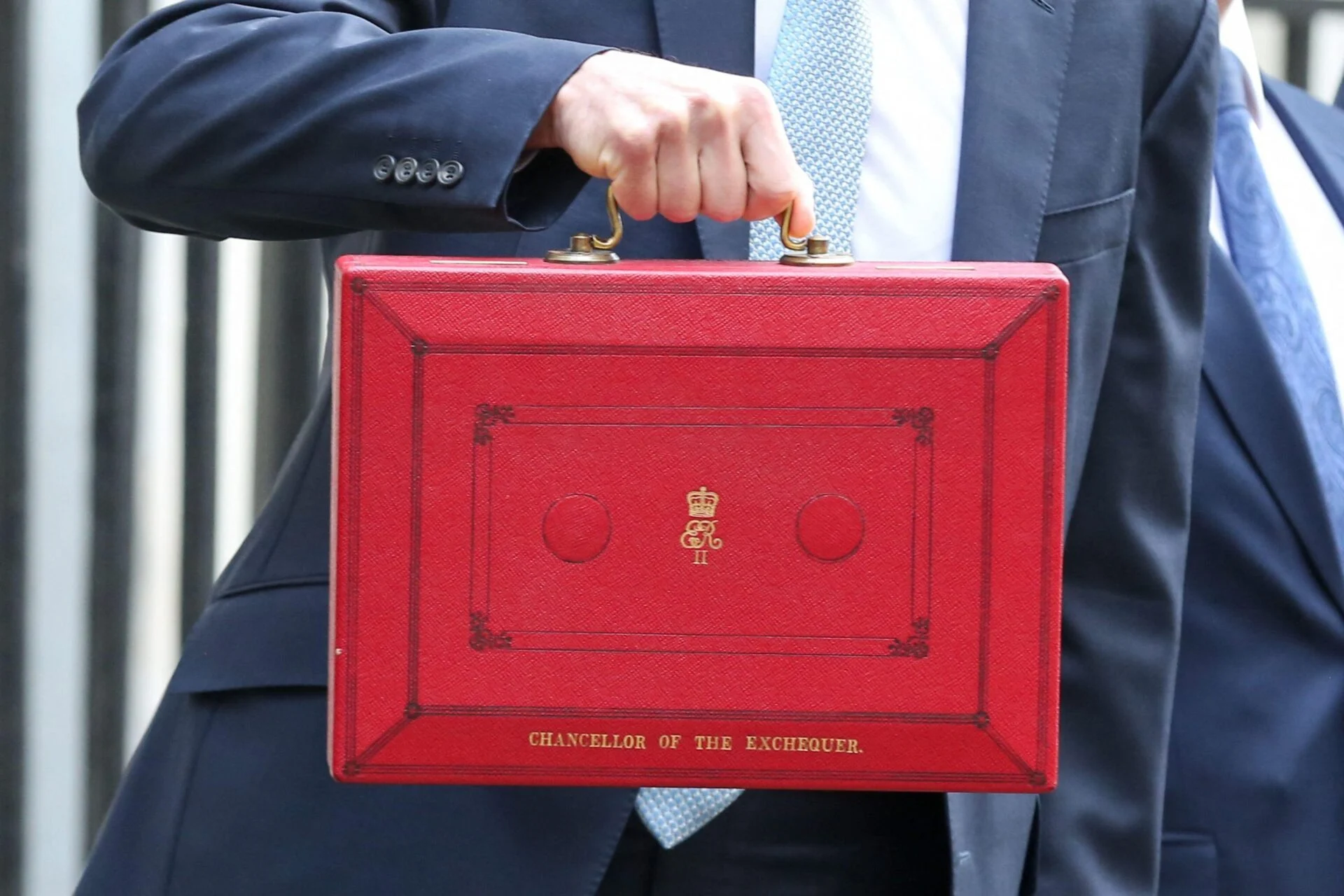
On Wednesday, October 28, UK Chancellor of the Exchequer John Healey will deliver the autumn budget, a vital moment for a retail sector that is on edge. Speculation has swirled in recent months over a potential increase in Machine Game Duty (MGD) on Category B gaming machines, a change that seems increasingly likely to occur.
In June, the Social Market Foundation think tank released a report advocating for MGD to be doubled from 20% to 40%. Its analysis suggested this hike could generate between £275 million and £458 million, addressing the heightened risk of harm associated with these machines. This proposal found support from allies of the Prime Minister, including former Prime Minister Gordon Brown and several Labour MPs.
The industry's response has been one of outrage, with concerns looming large across bingo halls and betting shops. A study commissioned by the Betting and Gaming Council indicated that a doubling of MGD could jeopardize around 16,000 jobs, close 1,500 betting shops, and see 34 casinos facing closure. Interestingly, the Treasury could lose £124 million in tax revenue due to these potential shop closures.
Despite fears of widespread fallout, The Times has reported that Healey may settle on a smaller increase of 5%. While some industry figures see this as a relief—a report from The Times even referred to it as a "boost for racing"—worries persist among those facing the tax rise.
"It’s a bit like when you’re waiting at an airport and they say you’ve got a three-hour delay, then they revise it to half an hour, and everyone cheers," said Greg Knight, CEO of UK retail operator JenningsBet. He cautioned, “I don’t think it’s a win. It could be an awful lot worse, couldn’t it, but I’m not celebrating because at the end of the day it’s still going to be a big drain on the industry.”
Simon Zinger, managing partner at law firm Calibri Law and advisory Bluestar Partners, echoed this sentiment. He noted, “The 5% is a win relatively speaking, if you think about what was possible, but I don’t think it’s a win given that any level of additional tax would be counterproductive.”
The Betting and Gaming Council has cautioned that any further tax increase would threaten jobs and businesses, though the potential damage could be less severe than that anticipated with a rise of 20 percentage points. Financial consultant Andrew Bowden provided insights on a LinkedIn post where he estimated that if there are no store closures, the Treasury could receive about £120 million in tax from a 5% MGD rise, significantly below the figures proposed by the SMF. However, he calculated that for each betting shop closure resulting from the hike, the government would lose £155,000 in taxes, estimating that 280 closures would negate any financial gains from betting shops.
Knight implied that his own company might need to close a "handful" of stores should the increase occur. Reports have surfaced indicating that bingo halls and amusement arcades anticipate closures as well, with Buzz Bingo stating that 40% of its clubs could turn loss-making in the wake of the 5% increase.
Zinger, who previously served as general counsel at Entain, predicted a subsequent rise in fines and enforcement actions due to the tax increase as operators scale back compliance and responsible gambling measures to protect their margins. "We will see an enforcement spike in about 12-24 months’ time," he forecasted, also warning that valuable employees may leave the industry as budgets tighten.
Nevertheless, there could be beneficiaries from the increased cost pressures on retail. Online-only brands, particularly up-and-coming challengers like Midnite and Mr Q, might find themselves at an advantage. They could stand to gain if a substantial MGD rise occurs, as it would not affect their businesses in the same way. Zinger pointed out that these smaller entities could position themselves better in terms of compliance and operational agility, which larger competitors may struggle with following tax hikes.
As Healey examines the future of the industry, doubt remains about the evidence supporting any changes to gambling policy. A troubling incident for the SMF arose when a draft of their original June report was inadvertently published, revealing top staff’s uncertainties about the accuracy of their statements regarding potential job losses and industry impacts.
Despite the SMF's continued push for a 40% rate, senior fellow James Noyes seemed unfazed by the anticipated 5% hike, suggesting a 25% rate might be a reasonable compromise. Knight expressed frustration over the prevailing uncertainty, underscoring how this ambiguity has left employees questioning their job security amidst fears of potential closures.
Wider regulatory changes have also drawn criticism, particularly regarding the rollout of financial risk assessments and the recent move to eliminate permit aims, leading to uncertainty about further gambling reforms. Knight emphasized the necessity for the industry to obtain long-term clarity and stability, noting that while a 5% increase may be manageable, there remains concern that additional tax hikes could follow.
Zinger remarked that this level of uncertainty is not favorable for industry growth. Investment has been stifled; Genting Casinos COO Paul Willcock lamented the operator’s hesitation to invest in the UK market without stable regulations. Similarly, Hippodrome executive chairman Simon Thomas stated the need for assurance regarding the stability of operational conditions.
Knight concluded with a call for the government to make long-term commitments regarding MGD, allowing businesses to plan confidently rather than face unpredictable tax increases aimed at generating short-term revenue.

