
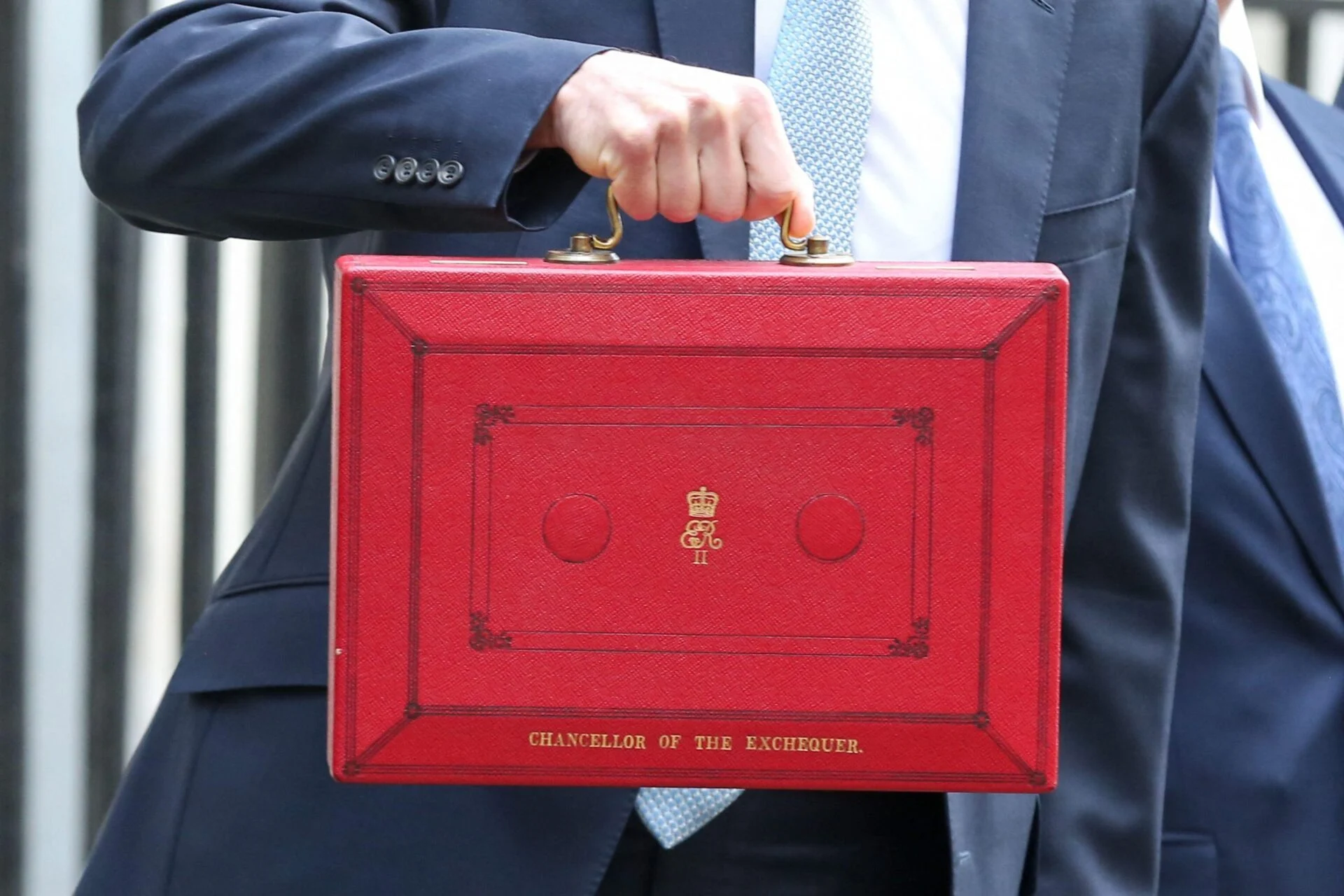
On Wednesday, October 28, Chancellor of the Exchequer John Healey will present the UK’s autumn budget, a moment that promises to determine critical outcomes for the retail sector, which is currently on edge. The anticipated rise in Machine Game Duty (MGD) on Category B gaming machines has been a focal point of speculation for months.
In June, the Social Market Foundation think tank proposed increasing the MGD from 20% to 40%, arguing that the hike could generate an additional £275 million to £458 million and address the heightened risk of harm associated with these machines. This proposal garnered support from allies of the Prime Minister, including former Prime Minister Gordon Brown and several Labour MPs.
As anticipation built, the retail industry, encompassing bingo halls and betting shops, reacted strongly. Research commissioned by the Betting and Gaming Council warned that a significant increase could jeopardize up to 16,000 jobs and lead to the closure of 1,500 betting shops and 34 casinos. In fact, the Treasury risked losing £124 million in tax revenue due to these closures.
Amid cries of warning about the potential consequences of major closures—on top of those already planned—The Times reported that the Chancellor has now opted for a more modest 5% increase. While some in the industry framed this decision as a relief, dubbing it a “boost for racing,” many remain concerned about the implications of the tax rise.
Greg Knight, CEO of JenningsBet, expressed skepticism about labeling the 5% hike as a victory. "It’s a bit like when you’re at an airport and they initially announce a three-hour delay, then revise it down to half an hour, and everyone cheers. I don’t think it’s a win. While it could have been worse, it’s still a significant drain on the industry," he said.
Simon Zinger, managing partner at Calibri Law and advisory Bluestar Partners, mirrored this sentiment, stating, "The 5% is a win relatively speaking, if you think about what was possible, but any additional tax would be counterproductive."
Concerns continue among industry leaders regarding the impacts of this increase. The Betting and Gaming Council emphasized that any additional tax hike could threaten jobs and business sustainability. In a detailed analysis, financial consultant Andrew Bowden estimated that while a 5% MGD increase might generate approximately £120 million in tax, each betting shop closure could result in £155,000 less revenue collected. His findings suggested that the Treasury could lose its net gains if about 280 shops closed.
Knight indicated that he might need to close a handful of stores if the 5% increase is enacted. Additionally, reports from bingo halls and amusement arcades hinted at serious ramifications; Buzz Bingo claimed that 40% of its locations could enter loss-making territory as a result of the tax hike.
Zinger foresees a possible increase in regulatory fines and enforcement actions in response to the MGD increase combined with recent rises in remote gambling taxes. He predicted, "We will see an enforcement spike in about 12-24 months’ time that stems from operators dialing down compliance and responsible gaming measures to preserve margins."
Still, there may be some beneficiaries of these shifts, particularly within the online gaming sector. Brands like Midnite and Mr Q, which operate exclusively online, might find advantages in a more pressured retail market. Zinger pointed out that increased retail taxes may create opportunities for smaller, agile online challengers who can navigate regulatory changes more swiftly and effectively than larger operators, which may struggle to adapt while managing investor expectations.
Questions linger about how evidence-based any change to gambling policy might be. A recent oversight from the SMF revealed uncertainties among its staff regarding the accuracy of job loss predictions tied to MGD increases, raising doubts about the robustness of its claims. Senior fellow James Noyes seemingly dismissed the significance of a 5% hike, suggesting a 25% rate might be more appropriate.
Knight criticized this uncertainty, noting its tangible effects. "For the three months since the SMF report was released, I’ve been inundated with staff asking if their shops will close. There are real-world consequences to these discussions," he explained.
From a broader perspective, the industry has expressed dissatisfaction with the government’s recent rollout of financial risk assessments, questioning their evidence base. The uncertain regulatory environment hampers investment, according to Genting Casinos COO Paul Willcock, who shared that the operator was eager to invest but felt constrained by fluctuating regulations. Simon Thomas, executive chairman of Hippodrome, reiterated that assurance is necessary for consistent operational conditions.
As the budget approaches, the industry longs for clarity and stability—key commodities currently lacking in the British market. While a 5% increase may seem manageable, there’s concern over further tax hikes in the near future. Zinger cautioned that this increase does not bode well for long-term industry growth, as it’s reasonable to assume the government will seek further revenue in the future.
The prevailing mood reflects frustration and uncertainty within the sector. Knight summed it up: "It’s just not good for any business to experience months of uncertainty. We’re just sitting here and waiting, really." He emphasized the need for the government to provide long-term assurances, allowing the industry to plan effectively and avoid abrupt tax increases when the Exchequer seeks additional revenue.

