
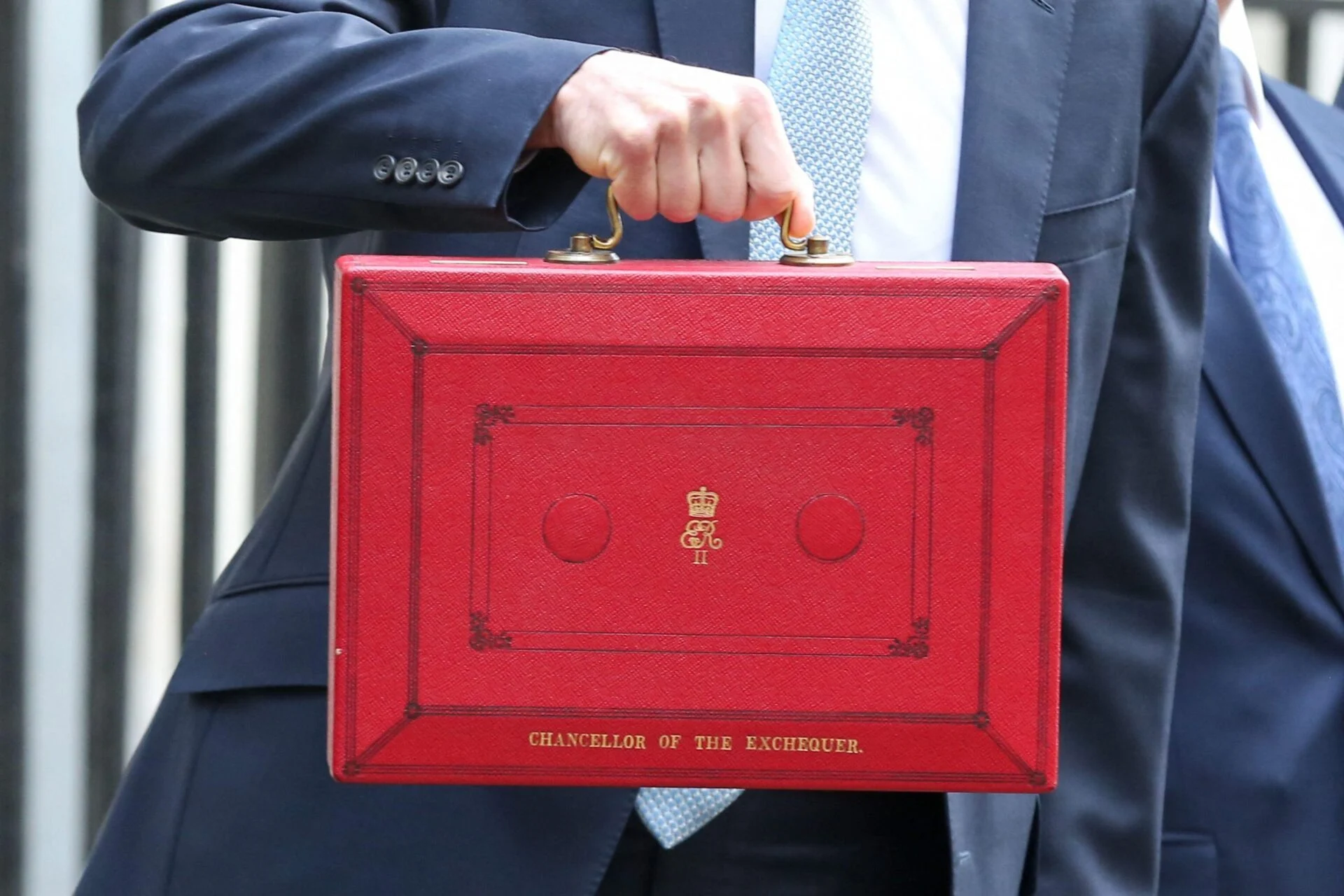
On 28 October, UK Chancellor of the Exchequer John Healey will present the autumn budget in Parliament, a moment that hangs heavy for the UK retail sector, currently under considerable pressure.
Speculation has been rampant regarding a potential hike to Machine Game Duty (MGD) on Category B gaming machines, a move widely anticipated to materialize in some form. The Social Market Foundation, a think tank, issued a June report advocating for a doubling of the MGD from 20% to 40%, claiming this increase could generate between £275 million and £458 million while addressing the higher risks associated with these machines. This proposal received support from various political figures, including former Prime Minister Gordon Brown and numerous Labour MPs.
However, the industry has expressed strong opposition. The Betting and Gaming Council, which represents the sector, commissioned research suggesting that such a hike could jeopardize as many as 16,000 jobs, as well as 1,500 betting shops and 34 casinos. They emphasized that the Treasury could actually lose £124 million in tax revenue due to expected closures resulting from the tax increase.
Amidst fears of widespread shop closures, The Times reported that Healey has reportedly opted for a more modest 5% MGD hike. While some have framed this as a victory, the general sentiment in the industry is mixed.
Greg Knight, CEO of JenningsBet, remarked, "It’s a bit like when you’re waiting at an airport and they say you’ve got a three-hour delay, then they revise it to half an hour, and everyone cheers. I certainly don’t think it’s a win. It could be an awful lot worse, couldn’t it, but I’m not celebrating because at the end of the day it’s still going to be a big drain on the industry."
Simon Zinger, managing partner at law firm Calibri Law, echoed Knight's concerns, viewing the 5% hike as relatively better than a more severe increase but still problematic. He stated, "any level of additional tax would be counterproductive."
The BGC reinforced the message that any tax increase poses risks to jobs and business viability, although they anticipate the impact of a 5% hike to be less severe than the previously proposed 20% increase.
Financial consultant Andrew Bowden conducted a projection on the effects of a 5% MGD rise. He estimated that if no stores were to close, the Treasury could expect approximately £120 million in taxes—substantially lower than the Social Market Foundation's forecasts. Notably, he calculated a loss of £155,000 in tax for each betting shop closure. According to his estimation, around 280 closures would erase any potential net gain from the tax collected from remaining businesses. Knight indicated he might need to close a few stores should the tax increase be enacted.
Reports have surfaced stating that bingo halls and amusement arcades are bracing for potential closures due to the 5% hike, with Buzz Bingo cautioning that 40% of its locations might face losses. Zinger predicts the hike may prompt a rise in fines and enforcement actions as operators scale back compliance measures to cope with financial pressures.
Despite these challenges, the online gambling sector, particularly those without retail operations, might find themselves at an advantage. Smaller, online-only companies like Midnite and Mr Q could benefit from increased retail taxes which would not affect them directly, potentially opening up market opportunities amidst fierce competition.
Zinger noted that these newer companies can quickly adapt to changing regulations and maintain compliance without the burdens larger operators may face. He discussed how Flutter's recent restructuring seemed aimed at enhancing flexibility to compete with emerging challengers.
As Chancellor Healey prepares for his address, there are lingering questions about the soundness of any proposed changes to gambling policy. In a somewhat embarrassing incident, the draft of the SMF's original report revealed confusion among its authors regarding the wording and the accuracy of their projections on job losses associated with the tax rise.
While the SMF continues to advocate for a 40% rate, senior fellow James Noyes seemed unperturbed about the smaller hike, referring to a 25% rate as a reasonable level.
Knight expressed frustration over the uncertainty surrounding MGD, emphasizing the real-world consequences of such indecision on employees, stating, “For the three months throughout the summer…I have been inundated with staff asking if their shop’s going to close.”
Amidst these developments, the UK gambling sector seeks more than just a modest tax adjustment. It craves clarity and stability from the government, particularly since a small increase in MGD could lead to further hikes in the uncertain future.
Zinger remarked, “A 5% MGD hike is not a win for the general growth prospects of the UK industry longer-term since we can assume that the government will come back for more eventually.”
The lack of a steady regulatory climate is hindering investment. Genting Casinos COO Paul Willcock indicated the casino operator was eager to invest in the UK market, but regulatory uncertainty has stalled such plans. Hippodrome executive chairman Simon Thomas echoed this sentiment, stating operators require assurances regarding the consistency of the market conditions.
Knight highlighted the mental strain of prolonged uncertainty, saying, “It’s just not good for any business to have three or four months of uncertainty,” emphasizing the need for longer-term plans rather than piecemeal tax hikes whenever the exchequer requires more funds.

