
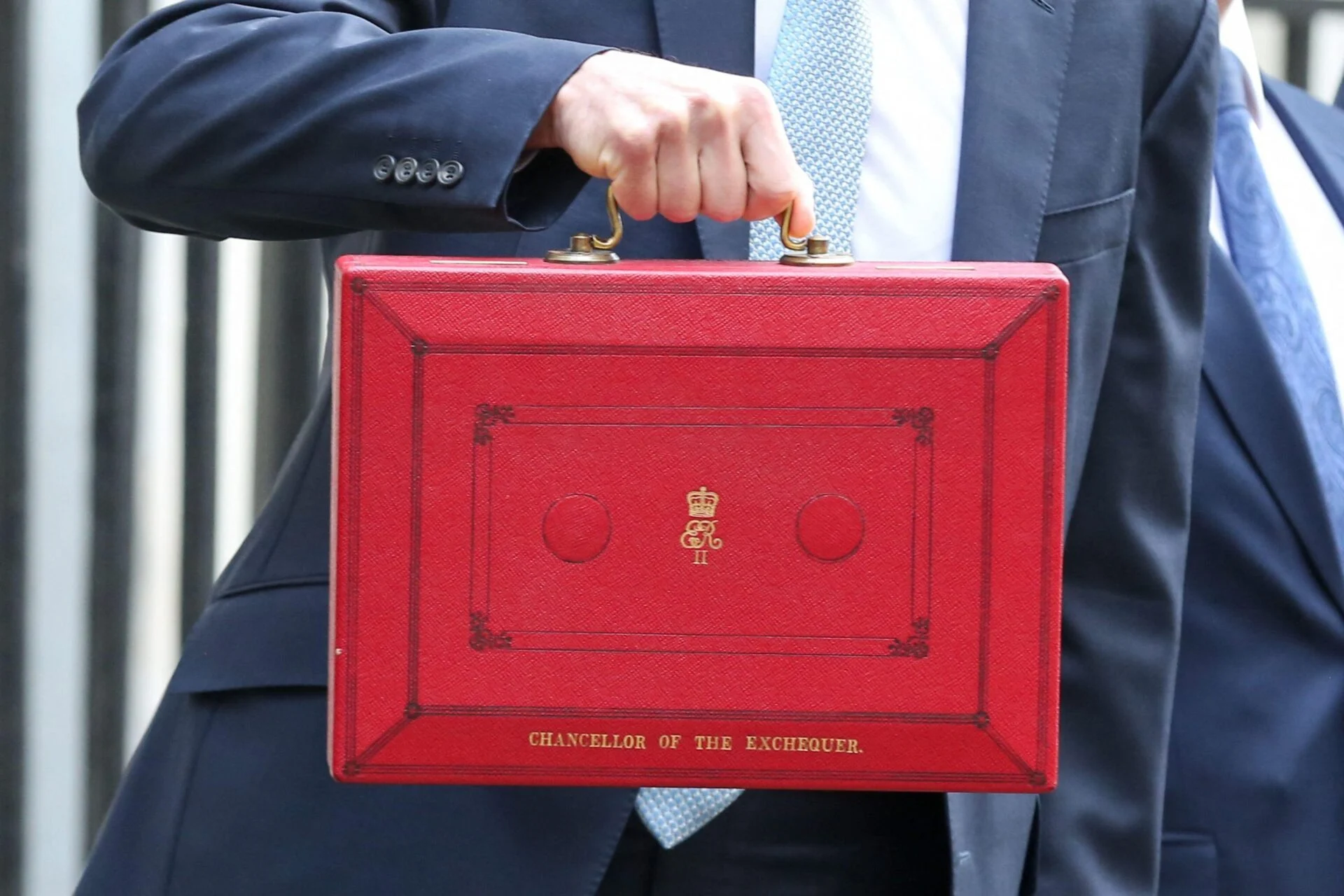
On Wednesday, October 28, UK Chancellor John Healey will present the country’s autumn budget, a critical moment for the retail sector, which has been on edge in recent months. Among the significant issues at hand is the anticipated increase to Machine Game Duty (MGD) on Category B gaming machines, with expectations of some form of hike becoming widespread.
In June, the Social Market Foundation, a respected think tank, issued a report advocating for an increase in MGD from 20% to 40%. The report suggested this change could generate between £275 million and £458 million in revenue and mitigate the heightened risk of harm associated with these gaming machines. This proposal found support from various political figures, including former Prime Minister Gordon Brown and numerous Labour MPs.
However, this proposal sparked backlash from the gaming industry, with strong reactions from establishments like bingo halls and betting shops. Research commissioned by the Betting and Gaming Council indicated that such a hike could jeopardize as many as 16,000 jobs and lead to the closure of 1,500 betting shops and 34 casinos. The council also cautioned that the Treasury could end up receiving £124 million less in tax revenue due to the anticipated closures triggered by a substantial tax increase.
As discussions unfolded, reports emerged that Healey has opted for a smaller 5% increase instead of the more drastic hike. Many industry stakeholders viewed this as a positive development, with The Times even describing it as a “boost for racing.” However, industry insiders remained cautious. Greg Knight, CEO of retail operator JenningsBet, remarked, “It’s a bit like when you’re waiting at an airport and they say you’ve got a three-hour delay, then they revise it to half an hour, and everyone cheers. I certainly don’t think it’s a win… it’s still going to be a big drain on the industry.”
Simon Zinger, managing partner at Calibri Law and Bluestar Partners, echoed this sentiment. He characterized the 5% increase as a relative success, but warned that any additional tax could be counterproductive in the long term.
The Betting and Gaming Council has warned that any tax increase threatens jobs and businesses, albeit acknowledging that the impact from a 5% rise would be less severe than a 20% increase. Andrew Bowden, a financial consultant, shared findings in a LinkedIn post pointing out that without any store closures, the treasury could collect about £120 million in tax—a figure falling short of the SMF’s projections. He calculated that every betting shop closure resulting from the increase would likely cost the government £155,000 in lost tax revenue, emphasizing that it would take 280 closures to negate any net gain from betting shops.
Knight indicated that he might have to close a “handful” of stores if the rise proceeds. The BBC reported that bingo halls and amusement arcades also forewarned that a 5% increase might lead to closures. Buzz Bingo stated that 40% of its clubs would fall into a loss-making situation.
Zinger, having previously served as general counsel at Entain, predicts a rise in fines and enforcement actions as a consequence of the tax hike, alongside the recent remote gambling tax increases. “We should also not underestimate the impact of good people leaving those businesses as a result of the cuts,” he said, anticipating that these challenges will materialize within 12 to 24 months.
Conversely, the online gaming sector may benefit from the pressures placed upon retail. Smaller online enterprises like Midnite and Mr Q could find opportunities arising from a higher MGD, as significant competitors adapt to increased retail taxes. Zinger noted, "The new entrants or challengers have an opportunity to get things right at the outset, especially the customer care angle. They can also be more agile and adapt quicker to changing regulation that has an operational or tech angle."
As Healey considers the fate of the industry, concerns linger about the foundation of evidenced-based gambling policy changes. Notably, a draft version of the SMF’s original report was accidentally published and included senior staff comments that expressed skepticism about job loss claims and the potential industry impact of an MGD increase.
Despite holding firm on the 40% rate recommendation, SMF senior fellow James Noyes downplayed the smaller 5% hike in a post on X (formerly Twitter), suggesting that a 25% rate would be “a reasonable level.”
Knight described the uncertainty surrounding MGD changes as frustrating, noting the anxiety among staff regarding store closures. The gaming industry has also faced scrutiny over the recently introduced financial risk assessments, raising further questions about the regulatory approach taken by policymakers, prompting renewed calls for long-term stability.
As the industry awaits the budget outcome, the overarching desire is for clarity and stability. A 5% MGD rise might be palatable, but uncertainty looms regarding future tax hikes. Zinger conveyed that it’s “not a win for general growth prospects” of the UK industry, foreseeing the government returning for further increases in the future.
Investment in the sector is suffering due to this uncertainty. Genting Casinos COO Paul Willcock expressed a keen interest in investing in the UK market but highlighted the lack of a stable regulatory environment as a hindrance. Similarly, Hippodrome executive chairman Simon Thomas emphasized the necessity for assurances regarding stable “playing conditions.”
Knight articulated the need for government commitment to performance assurance, arguing for a promise of no further MGD hikes during the remainder of the parliament’s term. This would enable businesses to plan with confidence rather than grappling with unpredictable tax increases each fiscal cycle.

