
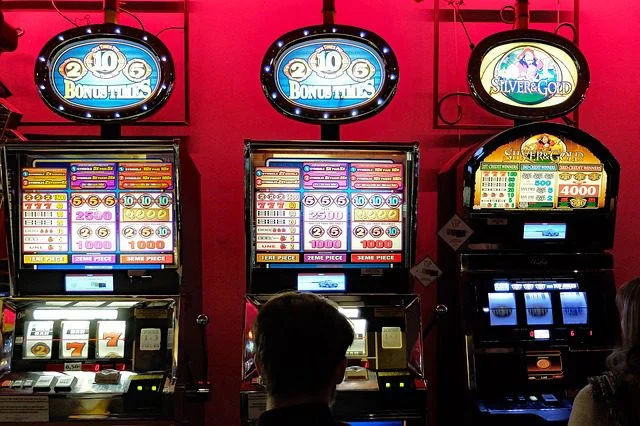
The gambling industry in the UK is currently grappling with a significant challenge: defending its future in the face of potential increases to machine games duty (MGD), possibly soaring from 20% to 40%. This scenario raises questions about whether it is prudent for businesses to advocate for their survival by pointing fingers at other sectors within the industry.
Facing the prospect of a doubling of MGD, some operators are tempted to delineate between deserving bookmakers and supposedly less deserving adult gaming centres (AGCs). However, Nick Rust, a former chief executive of the British Horseracing Authority and an industry veteran, believes this approach may not be beneficial to anyone involved. "I don’t think the public really differentiates between locations on the high street where you can play machines," he stated. Rust warns that attempting to attack a segment of one's own industry could have negative ramifications, noting, "Whataboutery isn’t going to help anyone."
The threats of a MGD increase are grim. Regulus Partners forecasts that if MGD were to double, it could result in a staggering 4,000 betting shop closures, leading to 28,000 job losses and a £92 million shortfall for racing. The average betting shop generates around £440,000 per year, with net cash contributions after expenses typically hovering around £44,000. An increase in MGD would escalate a shop's costs by approximately £45,000, thus wiping out these contributions. As a result, Regulus estimates a 32% drop in betting-shop MGD receipts, reducing anticipated revenues to £155 million.
Rust considers these warnings credible, emphasizing, "The 1,500 number rings true to me. This isn’t crying wolf now." However, he is cautious about accepting every alarmism from the industry, recalling how bookmakers managed to retain machine revenue following the fixed-odds betting terminals reforms more successfully than they projected at the time. "The industry was perhaps crying wolf at that time," he observed, pointing to accumulated pressures from rising costs and media rights.
The case against a MGD hike is being made beyond just bookmakers. Nicole Barrett, the CEO of the Bingo Association, recently highlighted on BBC Breakfast that thousands of bingo jobs are at risk. "Machines are an important secondary income for bingo clubs. It’s just another tax increase that could undermine that," she explained. Dominic Mansour, CEO of Buzz Bingo, echoed these sentiments on BBC Five Live, warning that even a 5% increase in MGD could render a third of his clubs unviable, stating, "It would be really, really tough for us."
Looking at the broader implications, consultant Vaughan Lewis articulated the tax threat in the context of racing’s reliance on betting revenues. He argued that the income generated from machines in shops supports levy and media rights fees vital to racing, while AGCs lack such financial obligations. Lewis cautioned that increased taxation could inadvertently bolster arcades while jeopardizing the retail distribution of racing.
Nevertheless, an anonymous industry consultant challenged the notion of distinguishing between venue types offering similar machines. "On principle, category B machines are either OK or not OK. You can’t separate between an AGC and a betting shop which are offering the same product," they maintained. This consultant also expressed skepticism regarding AGCs’ ability to absorb increased taxes, suggesting that they would face significant challenges themselves.
Regulus has not provided specific forecasts for AGCs but emphasizes that potential gains from displaced betting customers should not mislead about the impacts of a tax hike. Moreover, risk exists in conceding to the Treasury’s arguments by asserting that AGCs could cope with higher duties. If betting shops argue that AGCs can withstand a tax increase, they unwittingly weaken their own standpoint against the proposed change.
Rust urges unity within the industry, reflecting on past conflicts during the FOBT discussions when amusement sector trade association BACTA criticized bookmakers. He asserts, "Will attacking another part of the industry have an impact on the public? No."
Concerns also extend beyond racing’s financial health to the social consequences of closures. Rust sees the landscape evolving, predicting local towns may turn into betting deserts. "There used to be two shops, now it is down to one and I can see this becoming a town with no betting shops," he said. He laments the loss of community spaces and warns that the closure of licensed environments could give rise to illegal gambling practices in pubs.
Questioning whether demand for gambling truly disappears when licensed premises are forced to close, Rust critically holds racing accountable for its longstanding reliance on betting income without proactively seeking alternative revenue streams. He suggests a collective conversation on what higher duties would generate versus the fallout on businesses and customer behavior. While bookmakers and AGCs do not have identical interests, arguing that another licensed sector can bear the tax could weaken the stance against the rise itself. Infighting over who is deserving of survival could ultimately leave the entire gambling ecosystem vulnerable.

