
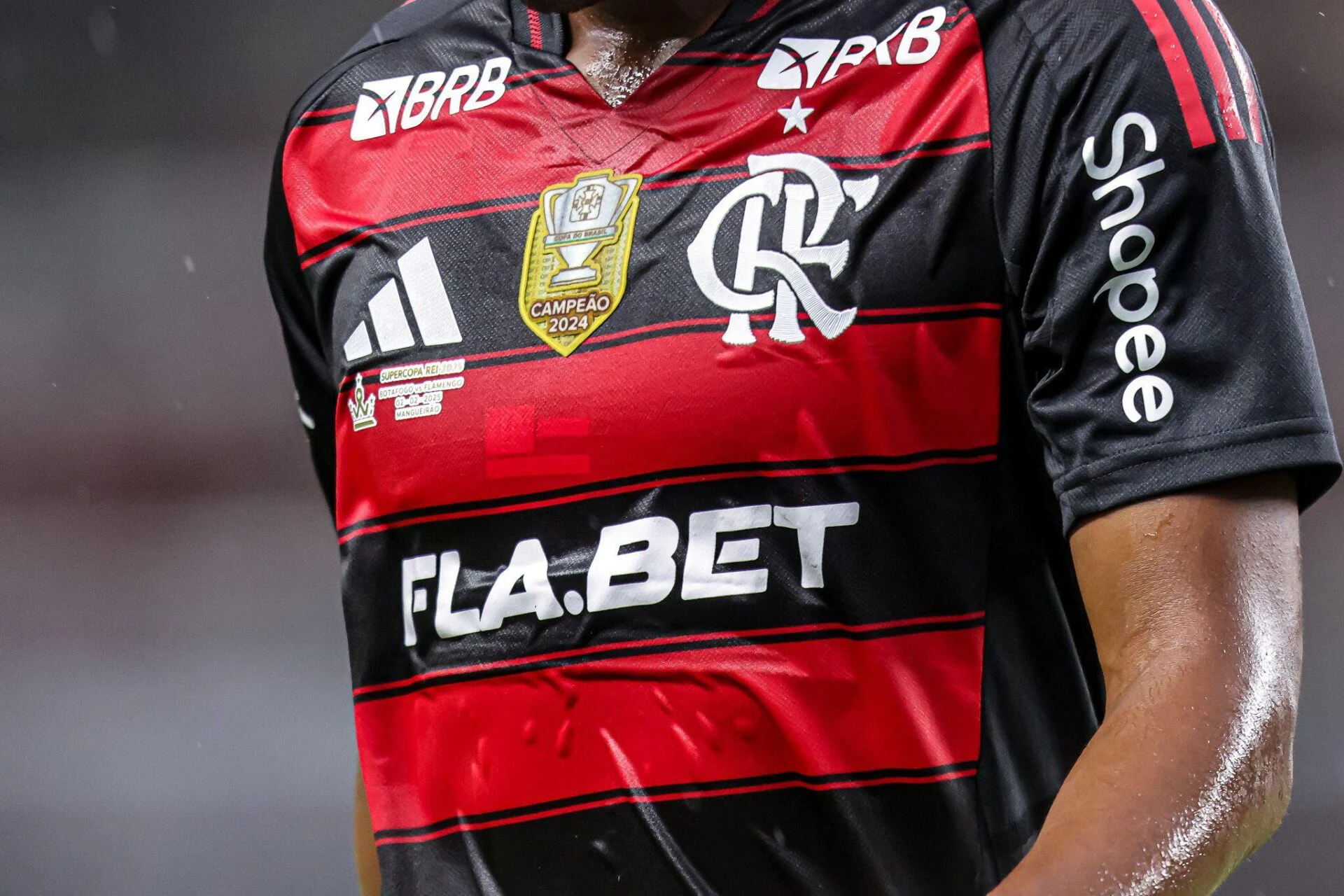
Brazil's football clubs and sports organizations are sounding alarms over the potential impact of a newly imposed betting ban, with the Brazilian Football Confederation (CBF) predicting a revenue loss of BRL420 million (approximately $76.5 million) by 2027. This figure pertains specifically to revenue from naming rights associated with football competitions, such as those held by Betano for the top-tier league and by Superbet for the second tier.
The economic ramifications of this ban featured prominently during a public hearing at the Supreme Federal Court (STF) on Tuesday. Thirty-four entities presented their concerns regarding Provisional Measure 1.394, which puts a prohibition on betting in Brazil.
Igor Mauler Santiago, the CBF’s attorney, highlighted that out of the 40 clubs in Brazil’s premier leagues, 27 rely on betting firms as their primary sponsors. Collectively, these sponsorships generate around BRL1 billion, constituting 35% of the clubs' total sponsorship income. Santiago stressed that the financial impact extends beyond mere jersey sponsorships, affecting the revenue streams from television rights and other advertising avenues like pitchside boards. He expressed hope that the government would find a balanced solution that considers health, legal security, and the economic growth of the sport.
Clubs have shared specifics about their financial vulnerabilities. Flamengo indicated it might lose about BRL430 million in annual income resulting from its master sponsorship with Betano and related broadcasting rights. Flamengo Vice President Flávio de Araújo Willeman stated that the club had entered such sponsorship agreements based on the existing regulatory framework.
"It was on this basis that Flamengo entered into contracts with betting companies that displayed sponsorships on the jerseys. It was on this basis that Flamengo planned its financial structure for the years following the signing of the contracts,” Willeman said. He urged the government to pursue regulation over prohibition, suggesting, "If there are problems with betting, let's not choose the easiest way out, which is its total repeal. Let's confront the problem with more effective regulation to curb the harmful effects."
Notable figures from other clubs echoed these concerns. Fluminense’s president Mattheus Reis e Montenegro reported that betting sponsorships represented 34% of the club's anticipated revenue in 2025. He also warned that smaller clubs in Rio de Janeiro could face a staggering 50% drop in revenue due to their heavy reliance on such deals.
Botafogo underscored the significance of its sponsorship contract with Vbet, described as the largest in the club's history, which also supports its youth academy and women's teams. Club representative Bichara Abidão Neto called for an urgent suspension of the betting ban’s effects.
Cruzeiro also joined the discussion, noting its sponsorship income from betting equates to four or five payrolls. José Francisco Manssur, representing the club, expressed that regulation rather than prohibition was the way to address addiction issues.
Vitória's sponsorship and pitchside advertising associated with betting make up nearly 17% of its annual revenue, approximately BRL290 million. São Paulo reported a figure close to BRL101 million derived from betting-linked sponsorship and advertising from January to September, emphasizing the importance of its partnership with Superbet, which runs until 2030.
The implications of the ban reach beyond professional football. The Brazilian Olympic Committee (COB) estimates that betting-related transfers could total BRL130 million in 2027, about 20% of its overall budget. When factoring in other sports organizations supported by these funds, the potential total drops in revenue balloons to BRL325 million. Pedro Henrique Rebelo de Mendonça from COB warned that diminished financial support could lead to adjustments or the cancellation of planned initiatives across various sports.
The Brazilian Paralympic Committee echoed these sentiments, asserting that resources linked to betting have been crucial for the advancement of Paralympic sports and the inclusion of individuals with disabilities. Its president, Mizael Conrado, stated that these funds have been "fundamental" for development within the sector.
The National Federation of Professional Athletes (Fenapaf) raised alarms that funding reductions could lead to unemployment among athletes, leaving them more vulnerable to manipulation attempts in sports outcomes.
The clubs’ appeals also touched on legal certainty, emphasizing that they made commitments and budget plans based on an established governmental framework after betting companies received approvals to operate. The hearing, presided over by Minister Luiz Fux, is part of the Supreme Court’s examination of Provisional Measure 1.394. This measure faces a challenge from ANJL, which seeks to suspend its implementation. No verdict on the ban was reached during the hearing, leaving its future uncertain.

