
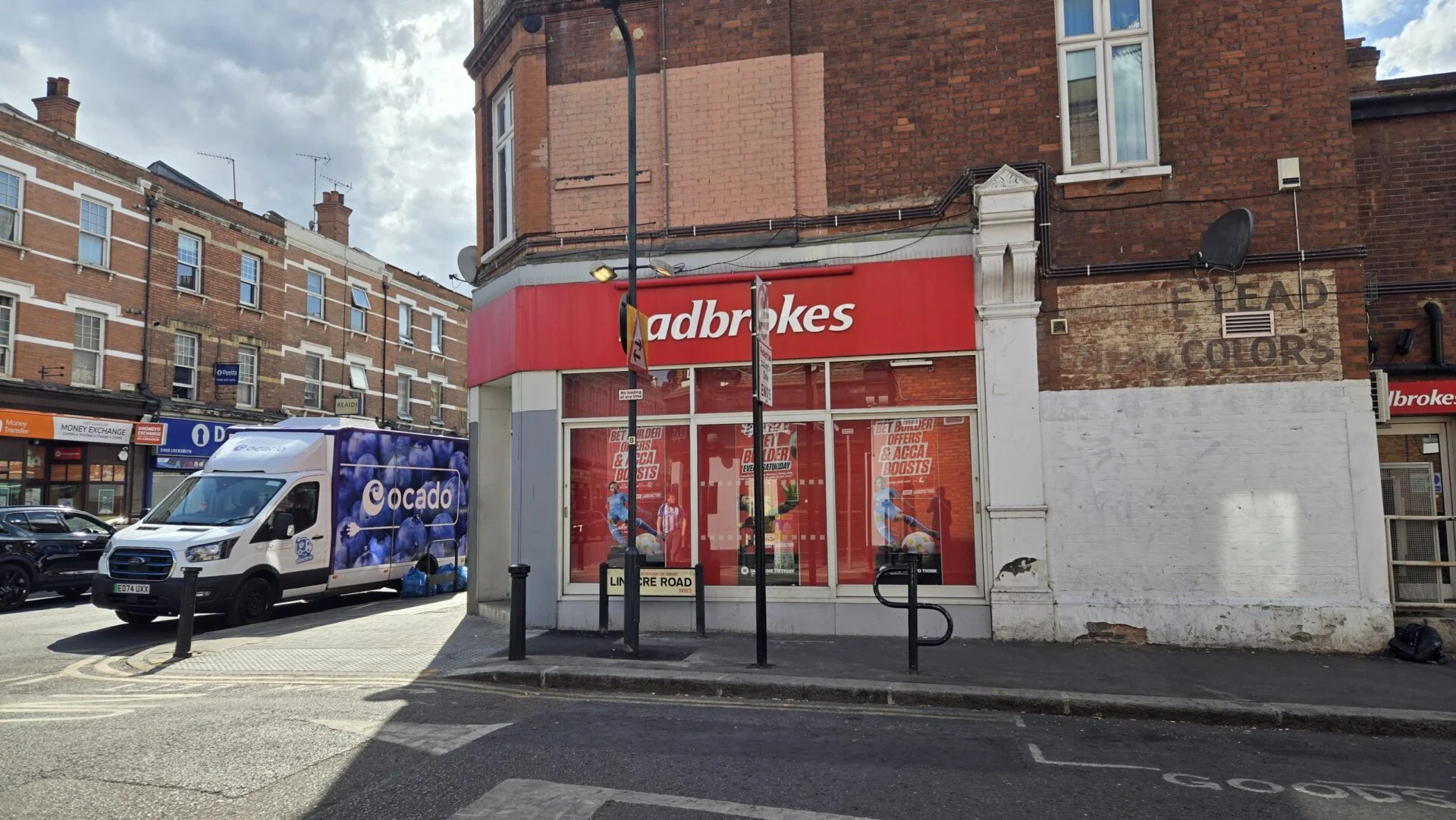
The streets of Brent, a borough in north-west London, showcase a unique feature of Britain's high streets: a significant concentration of betting shops and slot arcades. As a result, Brent now ranks second in London for the number of gambling establishments, prompting local politicians to actively campaign against the perceived negative impacts of gambling and to express frustration over their lack of regulatory power.
Politicians in Brent have taken to various platforms—press, council meetings, and social media—to voice concerns regarding the expansion of gambling venues in their community. They played a pivotal role in persuading the government to abolish the recent aim to permit policy, which was announced earlier this month.
Local MP Dawn Butler has been particularly vocal, organizing a cross-party letter addressed to the Prime Minister. In the lead-up to this governmental decision, the Brent council declared a ‘gambling harms emergency’ and sent a delegation to Downing Street to advocate for a detailed six-point plan aimed at curbing the proliferation of gambling shops.
Despite this public outcry, data from the council indicates that it has not issued a new betting shop license in 13 years. Multiple requests for comments about the council's public opposition to the growth of betting establishments went unanswered, including inquiries directed at Dawn Butler.
Some council members allegedly prioritize concerns about Adult Gaming Centres (AGCs) over betting shops; however, council statistics reveal that only three AGCs have opened in Brent over the past five years. Meanwhile, the total number of gambling premises in Brent has seen a decline, with the council reporting 83 premises in January 2025 and the current figure showing only 75—a net decrease of eight in less than two years.
Brent's situation reflects a larger national trend. Prime Minister Andy Burnham recently declared intentions to simplify the process for councils to reject new betting shops, labeling these establishments as ‘dodgy businesses’. Concurrently, betting shop numbers across the UK have steadily declined from a high of 9,128 in 2012 to just 5,789 by 2025, according to the Gambling Commission. Furthermore, notable operators like Betfred and Evoke have announced plans to shutter hundreds of locations.
Adult Gaming Centres have maintained a relatively stable presence in the landscape, with their numbers dropping from 2,247 in 2012 to 1,464 in 2019, before plateauing at 1,415 in 2025.
Greg Knight, the CEO of JenningsBet, noted that their brand opened just four new shops nationally last year. He observed that the diminishing number of retail locations reveals the politically-driven nature of the current debate surrounding gambling regulation. "What’s Andy Burnham gonna do next, promise to shut down all the video shops?" he remarked.
In a recent newsletter, analyst Scott Longley discussed how major UK gambling operators are grappling with an increasingly unfriendly political climate. He observed that the recent policy shifts don't appear to be guided by robust evidence-based decision-making.
For instance, the controversial decision to abolish the aim to permit, a fundamental part of the Gambling Act intended to balance freedom with risk, seems more politically motivated than a reflection of effective gambling policy.
Louisa Clark, the founder of RulePlay, expressed concern about the potential consequences of removing the term "aim to permit," stating, "I think there’s a lot of oversimplification of what this actually means in practice… What is going to underpin the decisions? Evidence is a massive issue. It’s already an issue now, it’s going to become an even bigger issue."
The imminent introduction of Gambling Impact Assessments (GIAs) raises further questions regarding the rationale behind dismantling the aim to permit framework. Approved as part of a devolution bill in April, GIAs will empower councils to deny new gambling licenses if evidence suggests they would undermine local licensing goals. This new tool appears to render the previous aim to permit framework redundant.
Knight indicated that the changes should not significantly impact JenningsBet's strategy, as the company is focused on growth through acquisitions. However, he questioned the need to abolish aim to permit when the new GIAs would already serve a similar purpose.
The gambling policy landscape’s intention to address broader national priorities such as the high street’s appearance is also under scrutiny. Clark argued that the Gambling Act should primarily focus on gambling-related risks rather than urban planning.
The unclear rationale driving the aim to permit decision brings additional scrutiny. According to Andrew Lyman, the Gibraltar Gambling Commissioner and a former UKGC director, it is crucial that gambling policy doesn’t revert to a past where illegal markets meet the demand for betting.
While concerns about public perception and operational practices in the gambling industry persist, Knight believes that nurturing community ties is essential to rebuilding favorable views. He hosts regular excursions for his customers and employees, likening the community atmosphere of a successful betting shop to that of a local pub.
Despite the numerous challenges facing the UK gambling market—ranging from affordability checks and regulatory changes to potential tax hikes—the industry’s advocates, including the Betting and Gaming Council, are keen to underscore the positive contributions it makes to the economy. Still, operators like Knight express an overarching concern about the political dynamics shaping the industry's future. "My big concern is political,” he stated. “I think there’s enough demand there."

