
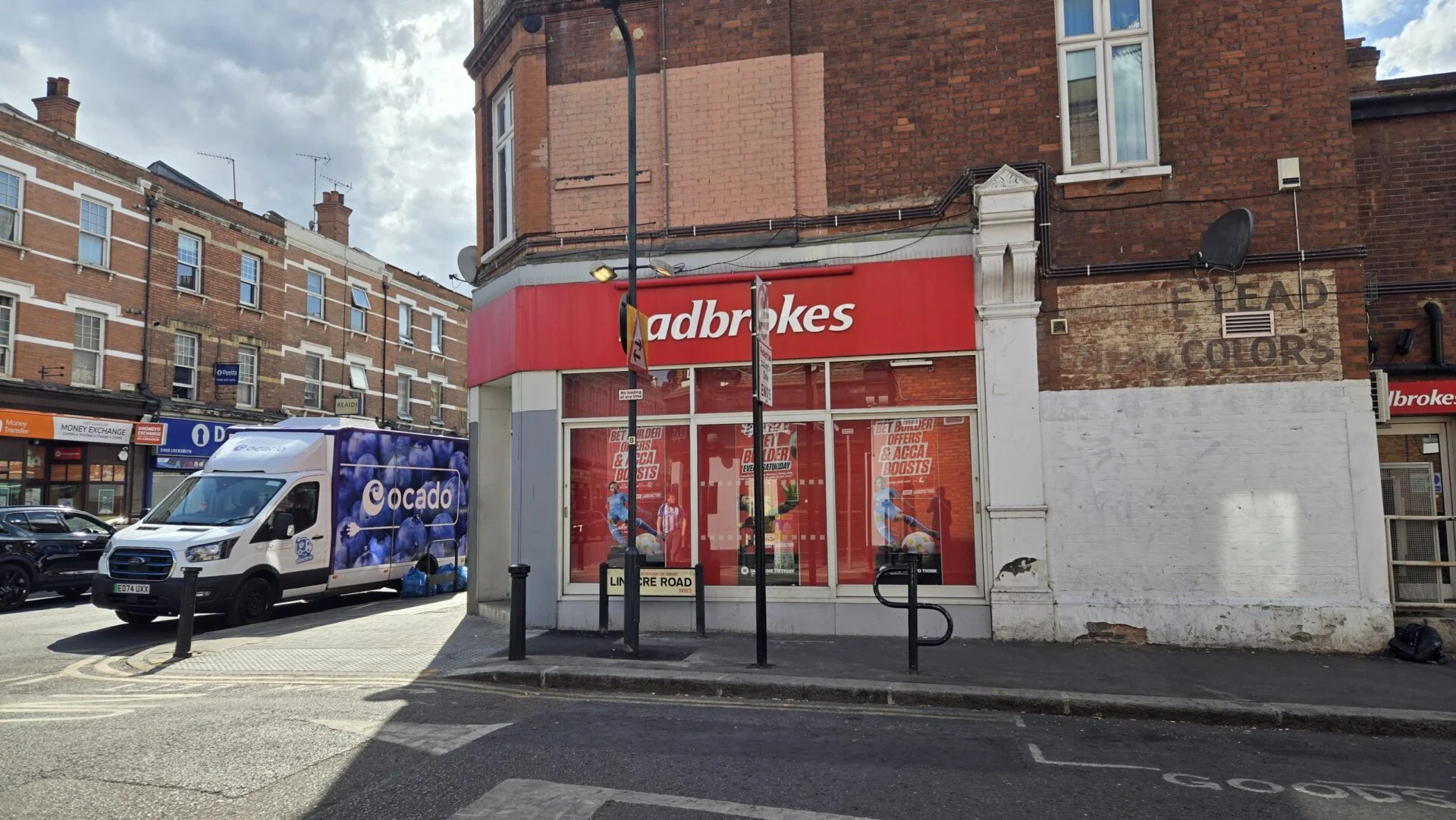
Betting shops prominently dot Britain’s high streets, but the situation in Brent, located in north-west London, stands out due to its high concentration of these establishments. The borough has become the second highest in London for the number of gambling premises, prompting local lawmakers to launch a campaign against what they see as the adverse effects of gambling and their limited ability to regulate it.
Local politicians have expressed their concerns through press statements, council meetings, and social media, highlighting the negative impact of betting shops on their community. This increased concern culminated in their successful campaign for the government to abolish a previously proposed policy earlier this month.
Dawn Butler, the local MP, took a lead role, coordinating a cross-party letter to the Prime Minister. In anticipation of the decision, the council declared a ‘gambling harms emergency’ and sent a group of politicians to meet with the government, presenting a six-point plan aimed at curbing the establishment of new gambling venues.
However, council licensing records indicate that no new betting shop licenses have been issued in 13 years, raising questions about the urgency of their campaign against gambling establishments. Despite several attempts, the council has not responded to inquiries regarding its public opposition to betting shops, especially since the last license was granted in 2013. Similarly, MP Dawn Butler has not commented on this matter when contacted.
Some council politicians seem to focus more on Adult Gaming Centres (AGCs) than on betting shops, yet only three AGCs have opened in Brent over the past five years. Additionally, overall gambling premises in Brent are decreasing; the council reported 83 gambling venues in January 2025, a number that has since dropped to 75, reflecting a decrease of eight in under two years.
Brent’s situation mirrors a broader national narrative. When Prime Minister Andy Burnham proposed measures to make it easier for councils to reject new betting shops, he emphasized a fight against ‘dodgy businesses’ proliferating in urban areas. Nationally, the number of betting shops has fallen from a peak of 9,128 in 2012 to 5,789 in 2025, according to data from the Gambling Commission. Recently, companies like Betfred and Evoke announced plans to closure hundreds of stores.
The number of AGCs has remained mostly stable; the Gambling Commission noted a decline from 2,247 AGCs in 2012 to 1,464 in 2019, with only slight fluctuations since then, totaling 1,415 in 2025. Greg Knight, CEO of JenningsBet, reported that his company opened just four new shops across the UK last year, suggesting that the diminishing number of retail outlets highlights the political nature of the ongoing concern about gambling.
In examining the latest quarterly earnings from major UK gaming operators, Scott Longley noted in his Earnings+More newsletter that businesses are operating under a much harsher political climate. However, he argues that the recent policy changes have not stemmed from evidence-based decision-making. The decision to eliminate the ‘aim to permit’ clause—the crux of the Gambling Act that balanced freedom and harm—appears more politically motivated than a solution informed by substantive gambling policy adjustments.
Notably, eight councils, including Brent, that petitioned the government regarding the abolition of the ‘aim to permit’ clause did not conduct any inspections of gambling premises in 2025/2026, the primary tool for monitoring gambling harm in their jurisdictions. Out of the 350 licensing authorities in the UK, 124 did not conduct any gambling license inspections during the last tax year.
Louisa Clark, a compliance expert and founder of RulePlay, underscored the looming issues regarding evidence in this sector, stressing that the situation will only worsen. After Butler claimed victory over her campaign in an opinion article, she, like Burnham, neglected to clarify next steps, which raises essential questions about the future of council licensing decisions post-‘aim to permit’.
The forthcoming Gambling Impact Assessments (GIAs), established by changes in an April devolution bill, are set to grant councils the power to deny new gambling licenses if such establishments would contravene local licensing objectives. Set to be implemented shortly, this framework could have provided an evidence-based approach for councils like Brent to manage gambling risks, making the repeal of ‘aim to permit’ puzzling when an alternative method is on the verge of being launched.
Knight expressed that the revision of ‘aim to permit’ would not heavily impact JenningsBet due to their growth strategy centered on acquisitions. He speculated that the increased barring on new locations might benefit incumbents like him. Nevertheless, he noted confusion regarding the reasoning behind the repeal, especially as the GIAs were already forthcoming.
Andrew Lyman, Gibraltar’s Gambling Commissioner and a former UK Gambling Commission director, cautioned against a return to pre-1961 gambling practices, where demand for betting and gaming machine usage manifested in illegal markets instead of regulated offerings.
Questions persist as to why gambling policy is being used to address larger societal issues, like the composition of high streets. Clark argued that the Gambling Act serves specific gambling-related risks and should not aim to reshape high streets, suggesting that ‘aim to permit’ has become a misguided vehicle for broader reforms.
The image of British gambling is complicated by its public reputation, from the Prime Minister's disparaging remarks to local council decisions. For instance, Somerset councilors cited concerns of anti-social behavior in denying a planning application for an AGC just last week. Their reluctance was echoed by a councilor who admitted not understanding the appeal of gambling.
As Burnham classified betting shops amongst ‘dodgy businesses’, the gambling industry expressed frustration, though some industry figures acknowledged the shift in public sentiment should not be surprising. Alun Bowden, SVP of strategic insights at Eilers & Krejcik Gaming, commented that the industry has long neglected how others perceive it, highlighting a disconnect in understanding public perceptions.
The nature of gambling has evolved significantly since the UK National Lottery launch in 1994 when it was viewed positively. Today, however, opinions about gambling have soured, driven by the rapid introduction of high-risk products.
Terry White, a gambling harms advocate and former betting shop manager, attributes the backlash to the industry’s failures in responsible conduct over the past decade. He noted that a culture of oversight for players has diminished, leading to a more chaotic gambling environment. He expressed the belief that, while well-managed betting shops have a place on high streets, many operators have left their establishments poorly staffed and inadequately trained, contributing to a rough experience for customers.
Knight identified the shift in gambling habits, especially as more activities moved online since 2007, resulting in traditional betting venues losing their community spirit. He emphasized the need for businesses to embrace a community-focused approach, akin to local pubs, to combat negative perceptions.
With policies increasingly influenced by public opinion, industry stakeholders remain concerned about the implications of these shifts. The Betting and Gaming Council is actively advocating for research-backed policies to illustrate the positive contributions the industry makes to UK's economy.
The industry is currently facing multiple challenges, including affordability checks, new tax levies, and the recent repeal of ‘aim to permit.’ Despite this, Knight remains optimistic about the UK retail sector's resilience. He interprets the store closures as a necessary adjustment rather than alarming signs and highlights a rise in revenue per shop even amid declining numbers.
Knight believes that, absent further disruptions, retail gambling will stabilize, but the political climate remains his main worry. He expressed confidence in the demand for betting services yet expressed trepidation about how political decisions could reshape the landscape.

