
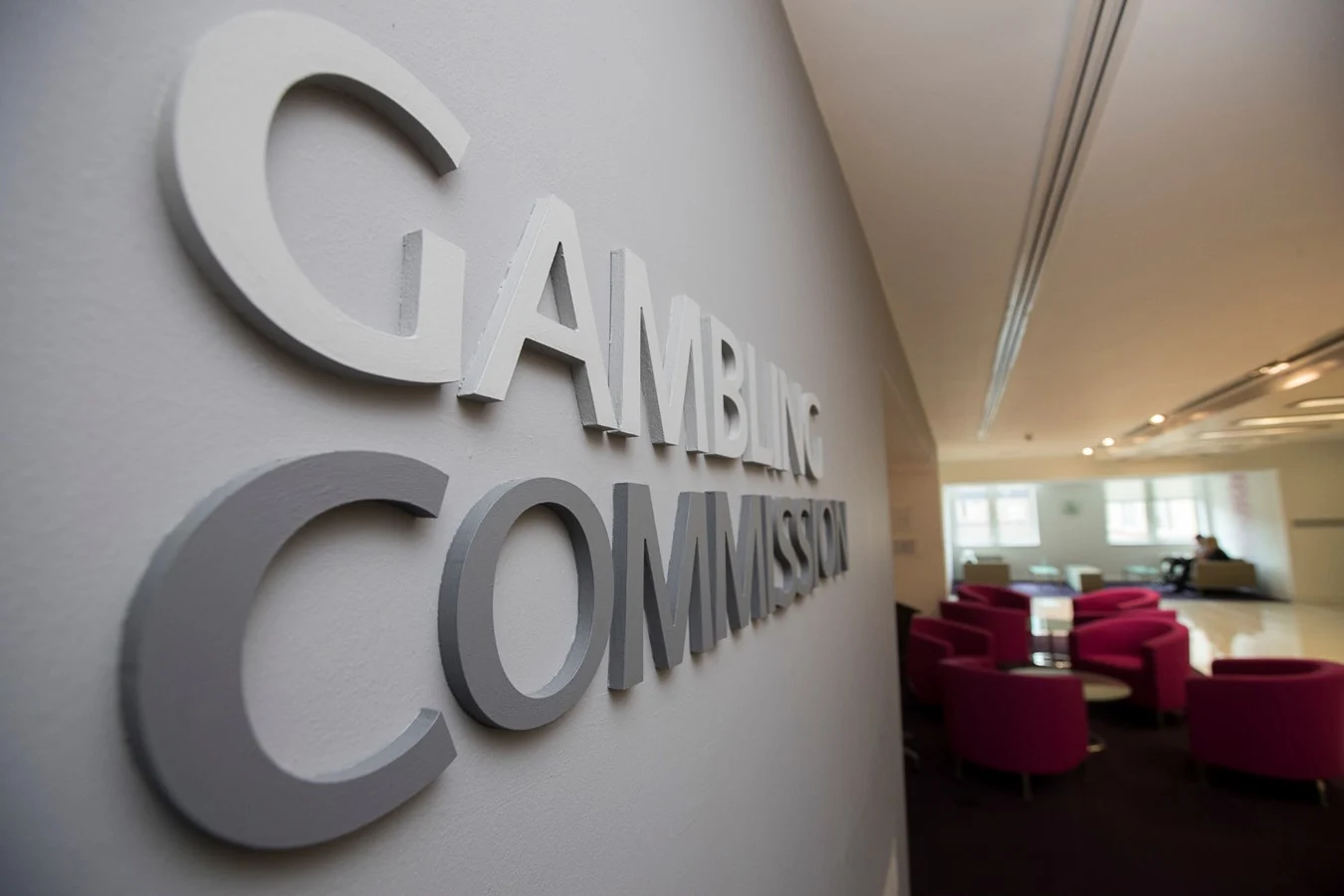
The recent appointment of Sarah Fox from the Department for Digital, Culture, Media and Sport (DCMS) to the Gambling Commission comes at a time of considerable turmoil within the regulator.
Fox, who has managed the gambling and lotteries team at DCMS for the past four years, will focus on policy, research, statistics, and National Lottery regulation as she integrates into the Commission's executive team. This new role follows the exit of Tim Miller, the former executive director, and occurs just three months after Andrew Rhodes stepped down as chief executive. Currently, the Commission is under the leadership of acting chief executive Sarah Gardner.
Criticism towards the Commission has intensified regarding its evidence-gathering methods, engagement with the industry, and the process of translating the gambling white paper into actionable policy. Given this charged environment, there is speculation that Fox's appointment might signal a deeper political strategy rather than just a typical reinforcement of personnel.
With her extensive background in policy related to the gambling white paper, the upcoming transition to the fourth National Lottery licence, society lotteries, and horse racing, Fox brings over 23 years of Civil Service experience. Her roles have included significant positions within the Home Office, Cabinet Office, and Department of Health and Social Care.
Gardner expressed confidence that Fox's background will be invaluable as the Commission navigates the reforms outlined in the white paper, seeks to evaluate their impact, and aims to protect National Lottery participants while maximizing benefits for good causes. Fox herself has expressed enthusiasm about her new opportunity.
Despite these developments, Vaughan Lewis, a noted expert in the gambling sector, advised caution against interpreting Fox's secondment as an indication of imminent government intervention at the Commission. Lewis commented, "I’m not sure there is much evidence that the government is taking the criticism seriously. There are selected people within parliament for whom it is an issue, but they are still in the minority and remain outliers."
He suggested that the issues facing the Commission might stem more from internal bureaucratic processes than from any political motives. "The suggestion that it is more of a civil service concern about whether the department is receiving the paperwork and information it needs would make sense," Lewis added.
Fox’s arrival is timely, providing the Commission with experienced leadership amidst the departure of senior staff. However, this does not represent a formal change in the Commission’s status or accountability, nor has either DCMS or the Commission indicated that her secondment is meant to shift the regulator’s direction.
The Commission has recently faced scrutiny from parliament, particularly regarding its financial risk assessments and the evidence backing these new requirements. The relationship with the British Horseracing Authority has also been strained, culminating in a public contention over the Commission's engagement with racing groups. Gardner acknowledged their disappointment at the allegations of insufficient engagement prior to implementing new checks but maintained that the claims lacked factual support. In contrast, the BHA asserted the Commission failed to consult them in the weeks leading up to the decision despite their efforts to reach out.
Lewis pointed out a larger issue: the regulator's growing influence over policies that should ideally be handled by elected officials. "What is essentially happening is that the regulator is assuming a lot of parliament’s role and responsibility in the formation of policy," he remarked, while perceiving little motivation for ministers to challenge the Commission's performance seriously.
Fox assumes her role during these two pressing challenges: executing a comprehensive reform agenda and restoring trust with operators, racing representatives, and parliament members who are increasingly questioning the policymaking process. While her involvement is likely to draw significant scrutiny, it does not automatically imply a shift towards DCMS control over an independent regulator. However, with the need for stable leadership and unresolved disputes over financial risk assessments, her position at the Commission is crucial amid growing scrutiny of its decisions and accountability.

