
The saying, "Everything is Bigger in Texas," extends beyond the state’s vast land area of 268,820 square miles, making it the second-largest state in the US after Alaska. This phrase captures the proud identity of Texans, reflecting their larger-than-life spirit. Recently, prediction markets have begun to reflect that same ethos, with trading volumes reaching impressive levels. For example, just last Sunday, trading activity for an NFL game between the Dallas Cowboys and the New York Giants exceeded $208 million across US markets, according to statistics from Aldrin Research. This figure marked the highest volume for a regular-season game in 2022 at Kalshi, particularly during the clash of these NFC East rivals on Sunday Night Football.
The surge in trading activity isn't limited to the NFL; college football is particularly popular in Texas, where it is almost revered. In a September 12 Top 5 matchup between Ohio State and Texas, trading volumes surpassed 50.7 million contracts, as noted by Odds Shopper. This heightened activity laid the groundwork for a tense legislative hearing just three days later in the Texas Senate.
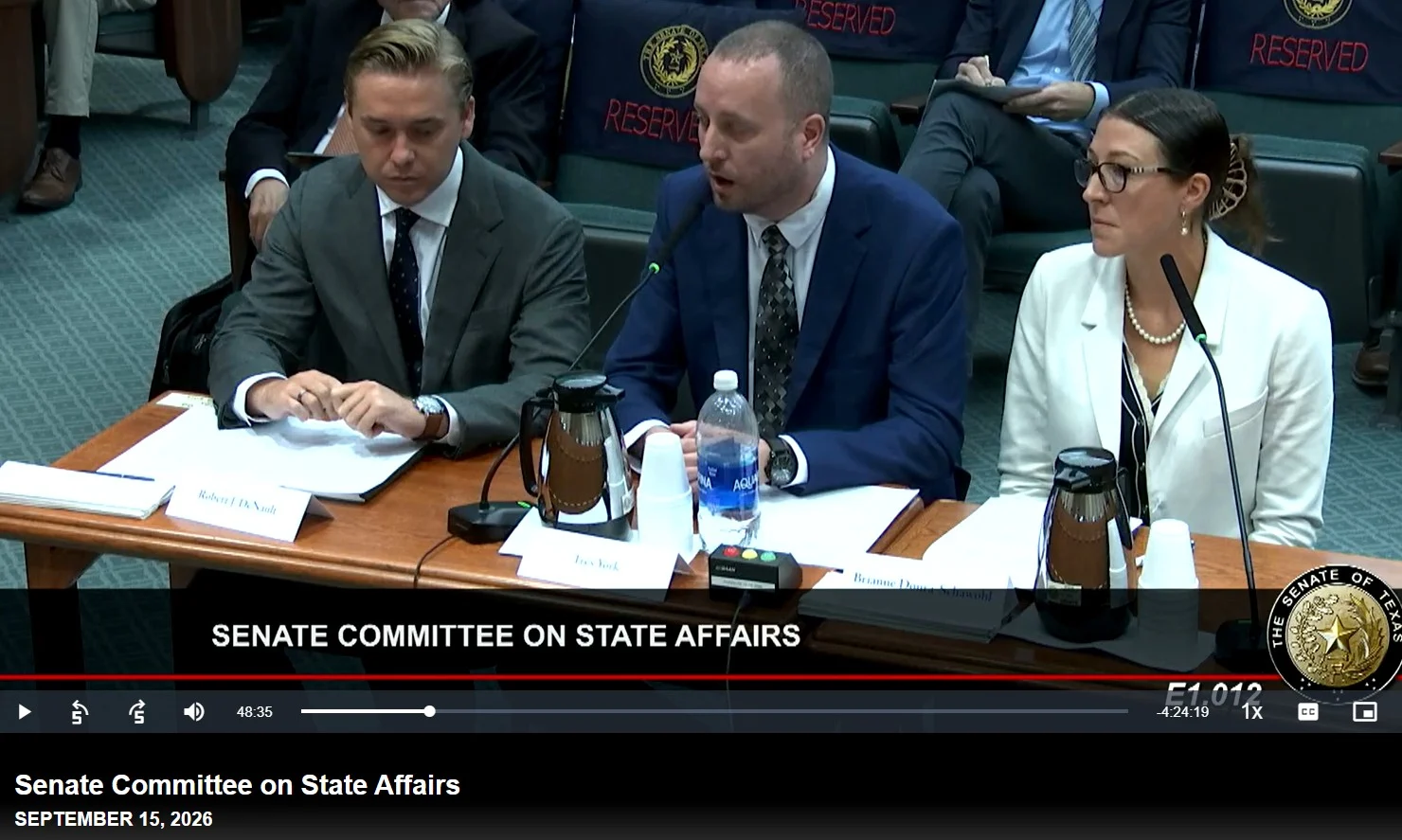
On Tuesday, Texas state Senator Bryan Hughes led a 62-minute hearing discussing prediction markets, featuring testimonies from prominent figures like Kalshi's legal counsel, Robert DeNault, and a lobbyist from the American Gaming Association (AGA). This session aimed to help delineate the framework for evaluating prediction markets in Texas next year, coinciding with the buildup to significant elections for governor, attorney general, and U.S. Senate later this election cycle. These outcomes may significantly influence the future of prediction markets within the state.
The hearing served to bridge concerns regarding the regulation of federally sanctioned derivatives and state-level gambling laws. A recent study by Eilers & Krejcik Gaming revealed that 43% of activities related to sports-event contracts originated from Texas and California, although specific data for Texas alone is not publicly available.
During the hearing, AGA Vice President Tres York argued against prediction markets, asserting that contracts like betting on the Cowboys to win are not fundamentally different from wagers made at sportsbooks. Sports betting remains illegal in Texas, and with Governor Greg Abbott and Lieutenant Governor Dan Patrick facing re-election, the legal status of gambling initiatives hangs in the balance. Patrick, a staunch opponent of sports betting, has thwarted multiple legalization attempts since the 2018 repeal of PASPA.
Current Texas Attorney General Ken Paxton is engaged in a competitive Senate race against Democratic challenger James Talarico. Paxton will soon be succeeded by either Republican Mayes Middleton or Democrat Nathan Johnson. During the hearing, Senator Bob Hall, who represents parts of Dallas, remarked on the fine line between event contracts and traditional betting.
"They’re different costumes on gambling," Hall pointed out. "Some have high heels and a tiara, while others have miniskirts or a bikini."
When discussing the path forward, York recommended that Texas implement geofencing for prediction markets to restrict operations within the state and pursue litigation in state courts, which have had more success than federal courts in these matters. He stated, "Prediction markets think they can mess with Texas. I hope you prove them wrong."
DeNault rebutted this notion, advocating for federally regulated prediction markets as safer alternatives to unregulated offshore entities. He highlighted potential risks of strict bans, suggesting that customers in Texas would likely turn to offshore markets if restrictions were enforced.
The committee also heard from Brianne Doura-Schawohl, a well-regarded expert on problem gambling, who indicated that a significant percentage of Gen Z individuals include sports betting and prediction markets in their financial planning. She criticized a Kalshi competitor for permitting minors over 17 to connect investment accounts to buy and sell event contracts, calling this access "very dangerous" for susceptible teens.
In a noteworthy development beyond Texas, Kalshi made headlines by partnering with the Tunica-Biloxi Tribe of Louisiana, marking the first time a prediction market has allied with a federally recognized sovereign nation. Just before the high-profile match between the University of Mississippi and Louisiana State University, the tribal market app powered by Kalshi was unveiled. Tunica-Biloxi Chairman Marshall Pierite praised the partnership for allowing tribes to take ownership and lead in modern economic activities, building on a rich tradition of trade and relationships.
As Lane Kiffin prepares to face Ole Miss for the first time as the LSU head coach, the Tigers have emerged as 59% favorites at Kalshi.
The announcement of this tribal market coincides with ongoing discussions between leaders from the Indian Gaming Association and CFTC Chair Michael Selig regarding prediction market regulations, though IGA Chair David Bean described these talks as largely unproductive. Additionally, a recent ruling by the U.S. Court of Appeals for the Ninth Circuit determined that Kalshi’s sports event contracts constitute unauthorized gaming on tribal land, emphasizing the importance of federal Indian gaming laws in such contexts.
",

