
The Gambling Commission's latest industry activity report reveals that the UK gambling gross gaming yield (GGY) has risen by 4.4% to reach £17.5 billion for the financial year ending March 2026. This growth is mainly attributed to online gambling activities, while physical gambling venues have seen a decline, indicating a shift in consumer behavior.
When lottery activities are excluded, GGY increased to £13.2 billion, marking a 4.7% rise from the previous year. The remote casino, betting, and bingo segments stood out, contributing £8.3 billion in GGY, a notable 6.9% year-on-year growth and representing about 63% of the overall non-lottery industry yield.
Specifically, the online casino market achieved £5.7 billion with £4.8 billion coming from slots. Remote betting totaled £2.4 billion, primarily driven by football at £1.2 billion and horse racing at £769.3 million, while remote bingo accounted for £147.8 million.
The quarterly data from January to March 2026 confirms this trend, showing online verticals generated £2.2 billion, with remote casinos alone contributing 68.3% of that total at £1.5 billion. Overall GGY for the first quarter, which included lottery revenues, was £4.4 billion, or £3.4 billion when excluding lotteries.
By March 31, 2026, there were 2,154 licensed gambling operators, a slight decline of 1.1% over the previous year. However, the number of distinct gambling activities licensed rose by 0.4% to 3,097.
On the other hand, the land-based gambling sector — which includes adult gaming centers (AGCs), betting shops, bingo halls, and casinos — reported £4.9 billion in GGY, reflecting a marginal increase of 1.1%. Despite this, the physical estate saw a 2% drop in licensed premises, totaling 8,081.
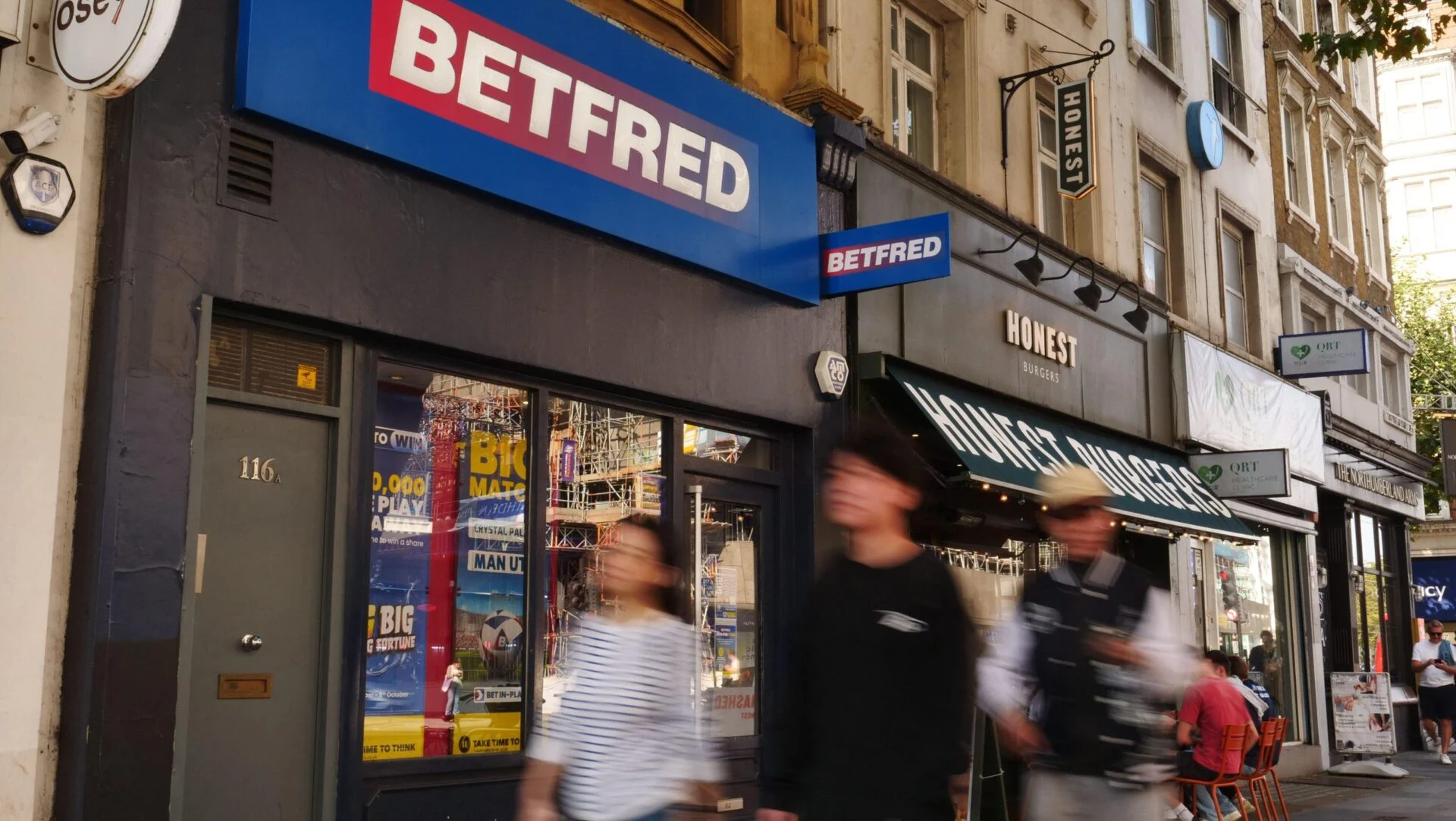
Betting shops have faced a downturn for the twelfth consecutive period, currently numbering 5,617, with a 3.6% fall equating to 208 shops lost in the past year. Notable retail operators like William Hill and Betfred have shuttered numerous locations this year.
Non-remote betting was reported at £2.4 billion, marking a decline of 3.3%. In contrast, non-remote casinos generated £933.9 million (up 0.4%), while non-remote bingo increased by 8.2% to £703.8 million. Additionally, gaming machines in arcades brought in £800.1 million, an increase of 10.7%, primarily from adult gaming centers, which accounted for £761.4 million.
Gaming machines overall contributed £2.7 billion to GGY, reflecting a 4.3% increase. The final quarter saw the number of gaming machines in licensed venues reported at 191,804.
In a move that could shape the future of betting shops and gaming arcades, Prime Minister Andy Burnham has proposed changes to the existing regulations, suggesting a repeal of the "aim to permit" rule for these establishments in Great Britain. As a result, betting shops and 24-hour slot machine arcades would now require planning approval.
The proposal also includes the possibility of an increased tax on gaming machines in the UK, following suggestions from the Social Market Foundation, which might manifest in the upcoming autumn budget.
The National Lottery showed a slight increase, with ticket sales rising by 0.9% to £7.9 billion and prize payouts dipping by 0.6% to £4.5 billion. Contributions to charitable causes grew by 2.8%, estimated at between £1.6 billion and £1.7 billion.
Moreover, large society lotteries saw improvements too, with ticket sales up by 5.7% to £1.2 billion. Prizes increased by 6.1% to £335.6 million, with contributions up 2.8% to £498.5 million.
In terms of gambling participation, the annual Gambling Survey for Great Britain (GSGB) indicates that trends remain relatively stable among the 5,277 adults surveyed between January and May 2026. Approximately 49% of respondents reported gambling in the past four weeks, consistent with previous years. After excluding those who only engaged in lottery games, participation falls to 28%, illustrating that lottery-only players constitute about 21% of the adult population.
Online gambling participation reached 39% (16% when excluding lottery players), while 29% participated in in-person gambling (18% excluding lottery players). The top non-lottery activities included scratchcards (13%), betting (10%), and online instant win games (8%).
Betting shows a gender disparity, with 16% of men engaging as opposed to 4% of women. Age data reveals that gambling participation is highest among individuals aged 45 to 64 (56%-59%), while the 35 to 44 age group sees the most significant involvement when excluding lottery players (35%). Many participants cited motivations related to the pursuit of large winnings and entertainment, with 42% expressing positive feelings regarding their last gambling expenditure.

