
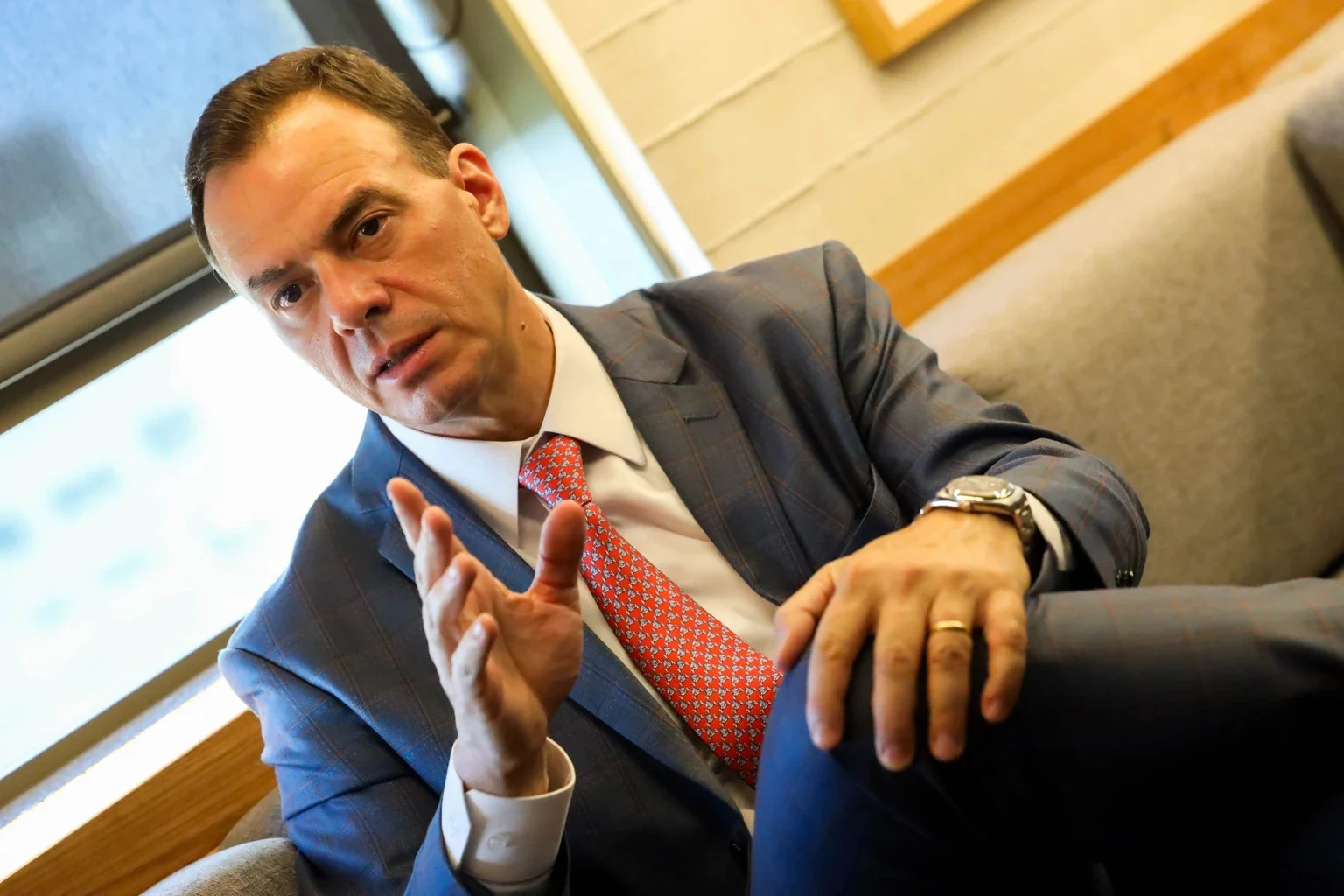
Plínio Lemos Jorge, President of the ANJL, has emphasized the rapid expansion of the betting industry in Brazil, particularly underscored by a significant rise in revenue reported in the first five months of this year. He acknowledged the importance of these figures, stating, "We went from BRL3.1 billion ($620 million) between January and May 2025 to BRL5.89 billion this year." This increase highlights the advancements made in the regulated sector, with tax contributions benefiting society.
Lemos Jorge suggested that the upcoming June figures, which have yet to be published, were likely bolstered by the World Cup. He remarked, "It was the first World Cup played with the Brazilian market already regulated. Football brought consumers closer to responsible entertainment platforms."
He celebrated the adherence of authorized operators to strict regulations during the event, noting that the SPA put pivotal integrity and advertising requirements in place before the tournament. "This is crucial for the sector's sustainability," he asserted.
In addition, he showcased the success of live activations at various bars and restaurants and fan-centric initiatives designed to engage the audience more actively. These efforts have enabled digital brands to offer experiences that extend beyond online interactions.
On the regulatory front, Lemos Jorge viewed the new federal advertising regulations as essential safeguards for both bettors and operators. He advocated for clearer and more responsible advertising, indicating that the sector currently stands at a crucial crossroads.
Conversely, he raised concerns about municipal bans on advertising in public spaces, arguing that the authority over such commercial advertising lies strictly with the federal government. He cautioned, "Divergent local rules could create legislative confusion and legal uncertainty for operators."
Amid the approaching second half of the year and the upcoming elections, he anticipates a rise in political scrutiny towards betting companies. He asserted that the industry must continue to remain steadfast and committed to promoting responsible gaming, predicting, "Once this turbulent period passes, we believe the market will likely face less criticism."
A pressing concern remains the challenge posed by illegal websites, which could become more prevalent if regulations undermine the formal market. Lemos Jorge firmly stated, "We cannot let our guard down. What encourages us is that the government, as a whole, has recognised the need to combat this issue."
Responding to inquiries about the industry's performance in the first half of 2026, Lemos Jorge reiterated the upward trend in tax revenues, drawing from data that showed an increase from BRL3.1 billion to BRL5.89 billion over a year.
He mentioned the expected substantial contributions from the World Cup’s influence on revenue generated by fixed-odds betting operators and indicated that this was an opportunity for fans to engage more deeply during the event.
Regarding adherence to regulations during the World Cup, he confirmed that all ministry-authorized operators operated under stringent guidelines, which included Law No. 14.790/2023 and directives from the SPA to ensure integrity and ethical marketing practices.
In discussing the advertising measures taken during the World Cup, Lemos Jorge reflected on the successful physical activations carried out by betting companies, including partnerships with local venues and themed fan kits. He underscored the need for transparency and responsibility in advertising to support consumer understanding and protect businesses.
He noted that while there was criticism surrounding industry advertising, any lapses would be investigated and addressed appropriately by governing bodies, reinforcing that compliance with the clearly stated rules is non-negotiable.
Lemos Jorge expresses confidence in the new advertising regulations as a protective measure for both bettors and operators, suggesting that they will enhance market safety and encourage responsible practices.
As cities like Rio de Janeiro and São Paulo implement bans on advertising in public spaces, he vehemently critiques these measures as misinterpretations of legal authority, stressing that commercial advertising legislation should remain under federal jurisdiction.
He argues that inconsistency across states would cause confusion and legal uncertainty, particularly in the fluctuating landscape of digital and traditional media.
Considering the critics' calls for industry self-regulation of advertising, Lemos Jorge highlighted the significant framework developed by the ANJL, IBJR, and Conar as robust and clear. He observed that while the industry faces scrutiny, the message of responsible gaming has been effectively promoted.
Looking forward, with the political landscape heating up as elections approach, Lemos Jorge cautioned that public perception of the industry may face challenges. He expressed optimism that following the elections, the market will be able to blend more seamlessly into everyday life in Brazil, becoming an accepted part of the economy.
Finally, he reiterated the ongoing threat posed by illegal websites, likening their market share to nearly half of Brazil’s online betting industry. Should regulations shift towards making the formal market less viable, he warned that the illegal sector could grow. Lemos Jorge affirmed, "We are pleased that the government recognizes the need to combat this issue," indicating a collaborative effort with various agencies to monitor and tackle illegal operations in the betting market.

