
In the second quarter, Macau's gaming activity saw a temporary dip due to the Fifa World Cup, impacting visitation for major operators including Las Vegas Sands, MGM China, and Wynn Resorts. Although the focus on football affected gaming volumes and mass-market play, operators reported a recovery starting in July, gaining momentum into August.
Continued investment in luxury accommodations, premium gaming options, and enhanced hospitality emerged as critical growth drivers. This strategy aims not only to attract new customers but also to extend the stay of existing ones, impacting VIP rolling volumes and overall player engagement positively.
In contrast, Singapore showcased notable resilience, with Marina Bay Sands achieving robust earnings despite the softer regional visitation trends. Wynn’s development in the UAE also contributed a significant growth factor to the wider Asian gaming landscape.
Marina Bay Sands recorded an EBITDA of $689 million, exceeding expectations by $37 million, and saw a 5% year-over-year increase in mass gaming revenue compared to the second quarter of 2025. This growth occurred despite the challenges posed by Fifa World Cup-related visitor declines, illustrating the venue’s strong operating model and its ability to maintain earnings even with lower tourist numbers.
Patrick Dumont, chairman and CEO of Las Vegas Sands, stated during the earnings call in July that the results affirmed the structural earnings power of Marina Bay Sands, which has been enhanced through significant investments in facilities, renovations, and service improvements. He reiterated that the company would keep prioritizing these investments to elevate its hospitality and entertainment offerings.
Conversely, Macau reported $430 million in EBITDA, falling short of expectations by $87 million due to a lower-than-anticipated rolling play hold. Gross gaming revenue (GGR) reached $1.79 billion, a slight decrease of 0.4% from the previous year. The quarterly performance was mainly affected by a VIP rolling hold of only 1.35%. Nonetheless, there were positive signs, with rolling table volumes increasing by 73% year-over-year and non-rolling table volumes rising by 15%. Additionally, slot handle surged by 30% and mass GGR saw an 8% increase.
Dumont expressed optimism about the gaming volumes across all categories, noting significant year-over-year growth in rolling volume, non-rolling drop, slot, and electronic table game handles.
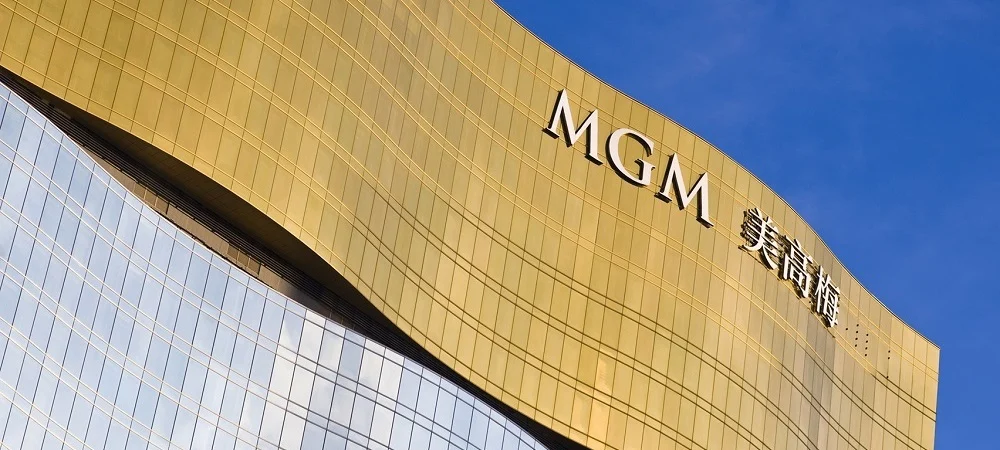
MGM also reported record net revenue of HK$17.4 billion ($2.21 billion) for the quarter, while adjusted EBITDA slightly declined to HK$4.8 billion ($612 million). April and May experienced strong gaming activity, but June saw a decline due to the World Cup, with a recovery observed throughout July. Enhanced visitation is anticipated with upcoming concerts and events during the summer.
MGM continues to see promising returns from premium property investments. In April, it inaugurated a new 40,000-square-foot premium gaming area at its Cotai property and completed renovations on 63 suites, with plans for further upgrades in progress.
Looking forward, MGM's strategic growth also relies on Japan, with MGM Osaka slated for a fall 2030 opening, augmenting the company’s Asian portfolio. Bill Hornbuckle, President and CEO of MGM, expressed strong confidence in the future during the July earnings call.
Wynn Resorts also noted strong performance driven primarily by its Macau properties, where Wynn Palace’s revenue surged 21% year-over-year to $653.4 million. In contrast, results from Las Vegas remained flat. Despite a dip in VIP hold affecting adjusted EBITDA by nearly $9 million, total volume surged, particularly in mass-market segments, which increased by 5%.
Wynn's CFO, Craig Fullalove, explained the divergent trends between VIP and mass-market performance were due to distinct customer values and reinvestment strategies. Although VIP business saw a slowdown, there has been a recovery in mass-market engagement, which is encouraging for the company.
Looking ahead, Wynn anticipates modest declines in rolling chip volumes and mass market drop due to World Cup impacts and seasonal factors, yet hints at recovery signs into the second half of July. Additionally, Wynn plans to open Al Marjan Island in the UAE in 2027, with the overall project budget raised by approximately $600 million owing to development costs and disruptions.

