
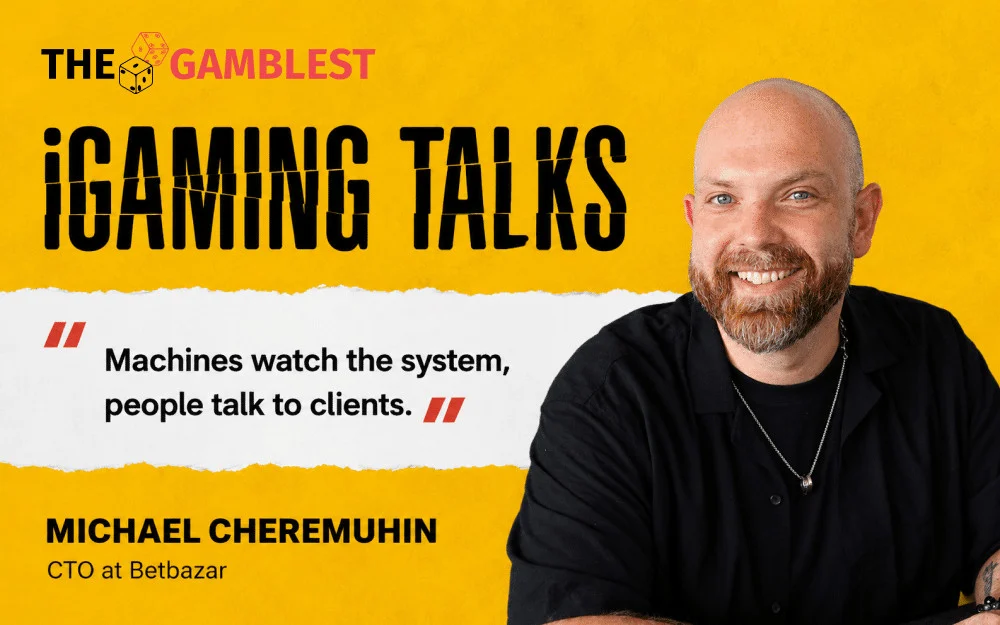
B1's Chief Technology Officer, Michael Cheremuhin, recently discussed the company’s expansive coverage numbers and the misconceptions surrounding them. B1 currently monitors over 3,000 active tournaments, provides coverage for more than 260,000 live events, and tracks over 230,000 pre-match events across traditional sports, esports, and proprietary AI sports. Cheremuhin emphasized that while impressive figures are appealing, operators should focus on whether the coverage aligns with what their players are actually wagering on, stressing that quality trumps quantity when it comes to profitability.
Cheremuhin explained the distinct differences between pre-match and live coverage. Pre-match data requires depth and consistency, allowing operators to set accurate pricing days or even weeks ahead of an event. Conversely, live data demands swift updates, with odds fluctuating every second. He pointed out that the architecture at B1 is designed for speed, ensuring data delivery occurs in under 200 milliseconds. While pre-match data helps build trust, live coverage is critical for driving revenue.
In response to a question about white-label coverage, Cheremuhin admitted that no single provider can cover every event internally, but he assured that all partner content undergoes the same rigorous checks as in-house data. This includes validation processes, runtime monitoring, and trading oversight, ensuring clients receive a consistent quality standard regardless of the content's origin.
Cheremuhin also noted B1's quick adaptability to emerging sports. Their modular platform facilitates the swift addition of new sports by integrating them into the existing framework. The primary consideration is trading confidence—ensuring responsible pricing for new content. This capability extends to AI sports, allowing B1 to generate content independently without waiting for new fixtures.
On the topic of customer support, Cheremuhin outlined how automation is utilized effectively, monitoring various performance metrics and escalating issues without human intervention. This round-the-clock monitoring system ensures that responses to technical problems are rapid and efficient.
When clients encounter specific support issues, the process begins even before they officially come on board. Sales teams work closely with new operators to ensure a seamless integration, and any inquiries regarding B1’s AI sports can be addressed comprehensively, including providing video evidence if necessary. For traditional sports queries, the support team works directly with traders, allowing informed responses directly from those who set the market.
Cheremuhin highlighted the average response time of under two minutes, attributing this efficiency to a 24/7 team and a structured escalation system that ensures requests are never left unattended. Often, B1’s monitoring system detects issues before clients are aware, enabling a proactive approach to problem resolution.
In case of incidents, B1 has a protocol in place that triggers immediate automated responses to notify support personnel and engineers. Key system components have live backups, enabling quick recovery within about 15 seconds from failures. The aim is to communicate with clients about incidents as soon as they arise, ensuring they hear about any issues directly from B1 rather than through their own platforms. Cheremuhin underscored that while incidents can occur, B1 is committed to rapid recovery, transparent communication, and accountability, striving to inform clients about issues as they are resolved.

