
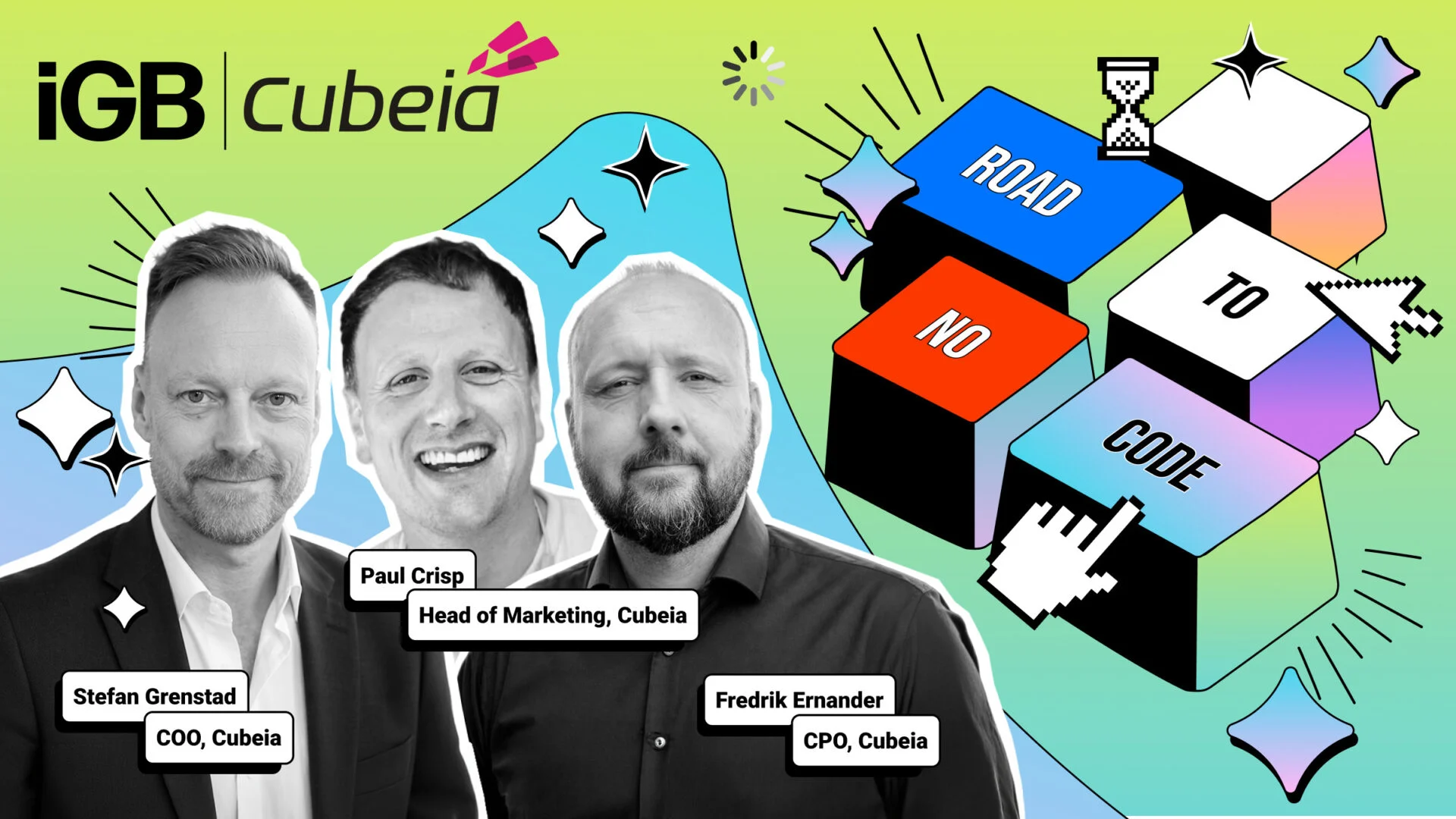
Implementing a major operational change can present a challenge for any company, requiring staff to adapt to new processes and systems. For Cubeia, an iGaming platform developer, this was highlighted when it decided in April to switch to AI-assisted coding across its operations, particularly using Claude's large language model to expedite the development and release of new updates for clients.
By mid-July, Cubeia's Chief Operating Officer, Stefan Grenstad, reported that the supplier's front-end systems had transitioned to 100% AI-driven functionality, while the back-end systems were closely catching up with a 90%-95% implementation rate. Grenstad had anticipated that this shift would accelerate release schedules and increase the number of updates compared to the previous reliance on human-written code, and those expectations have been met.
One unforeseen difficulty arose for senior management: the extent to which the transition would challenge the development team's abilities. "It’s been very obvious that those developers who struggle with context switching are having a hard time," Grenstad stated. He emphasized the necessity of multitasking in this new environment, where multiple AI agents can operate concurrently. Setting up these agents can take only minutes, enabling developers to potentially manage numerous releases or tasks in a day. However, multitasking becomes crucial in ensuring that enough developers are available to review the AI-generated code. Grenstad remarked, "There’s a sweet spot for how many parallel tasks a developer can actually orchestrate at the same time. We need to find the right balance."
As the company adapts, restructuring and enhanced training will be required to align with these updated processes. A crucial element of this adaptation is prioritization—helping staff recognize what tasks are critical versus those that are of lesser importance.
The leadership team has initiated internal discussions to establish limits on the number of tasks that can be undertaken daily. When questioned about resistance from tech leads who might be skeptical about the shift towards fully AI-generated code, Grenstad acknowledged that some have indeed expressed concerns. Meanwhile, others, including one initially doubtful senior developer, have embraced the AI model and found it valuable as a collaborative tool. This developer reportedly has begun using Claude as a resource for feedback, contributing positively to the transition.
The accelerated pace of releases has raised concerns among team members regarding the potential loss of control. Previously, Cubeia typically executed four to six releases each month, with around 50 tickets generated. In May, for instance, they managed just five releases but faced 86 tickets, and in June, they increased to ten releases and 96 tickets.
The quick turnover has afforded an opportunity to reevaluate team structures and better embed new processes, with the aim of integrating AI across all functions. Grenstad is also considering ways to improve the integration of the Quality Assurance (QA) function within the development cycle, crucial now that releases occur more rapidly. He indicated that QA should work concurrently with AI-driven development: “Developers will be responsible for a task or release until it gets into production, with the QA phase being a part of that.” He believes that QA must be included in the planning stages as well.
Supporting teams through this transition remains a priority, and Grenstad has observed that developers largely agree with the strategic direction toward fully AI-assisted coding. He expressed confidence in his tech leads, stating, "They’re doing a tremendous job supporting those who are struggling. Everyone agrees this is the future, though we share concerns about maintaining quality at such a high pace."

