
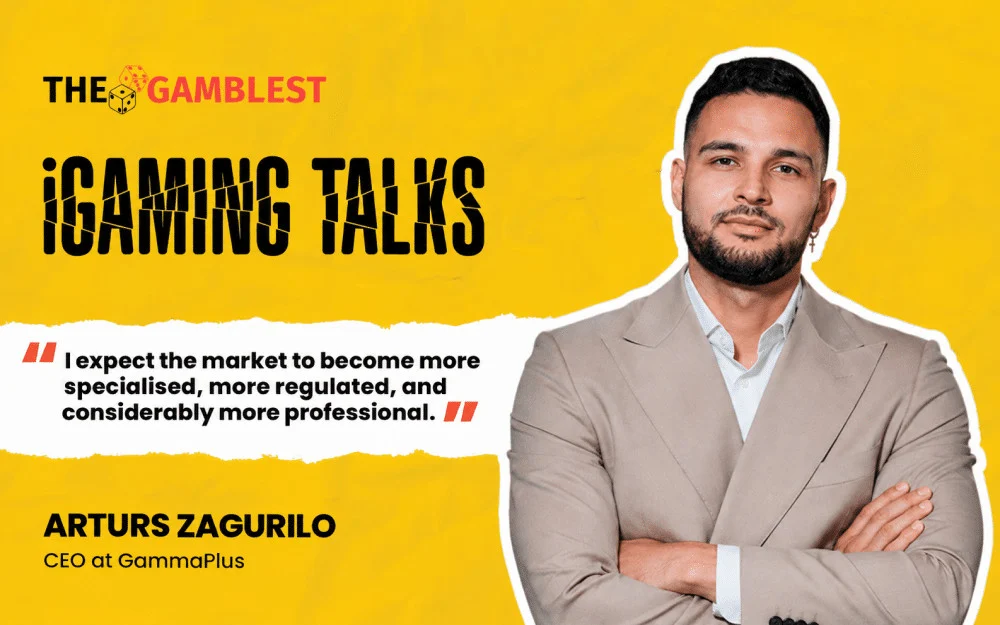
In a recent discussion with Arturs Zagurilo, the CEO of GammaPlus, insights were shared about the emerging trend of prediction markets and their potential impact on the iGaming landscape in the coming years.
Zagurilo has dedicated significant portions of his career to the iGaming technology sector, collaborating with various operators and suppliers to transform innovative ideas into commercially successful products. He emphasized a vital lesson of the industry: while having a great product is crucial, equally important is the understanding of market dynamics, customer needs, and regulatory requirements for sustainable operation.
At GammaPlus, Zagurilo focuses on assisting businesses in navigating their ventures into prediction markets, expanding into new verticals, or creating platforms based on specific commercial opportunities. He noted that prediction markets draw from various fields that historically functioned separately, amalgamating aspects of iGaming, fintech, cryptocurrency, data, and event-driven products. His responsibility lies in helping businesses decode this intersection while distinguishing actual market potential from mere market excitement.
Zagurilo attributed the booming interest in prediction markets to their transformation from niche platforms to serious commercial ventures. Users have increasingly discovered that they can engage in markets around a wide gamut of events, such as political elections, economic trends, and sports outcomes. He likened this evolution to the early days of mobile applications—when the concept of smartphones transitioned from simple communication devices to platforms for diverse functionalities.
In discussing the distinction between prediction markets and traditional sportsbooks, Zagurilo pointed out that the former offer a broader array of event-based betting. While sportsbooks are chiefly focused on sports events, prediction markets open the floor to diverse outcomes, allowing users to engage with topics ranging from fiscal decisions to entertainment events. This broadening scope provides a more engaging experience as users assess outcomes based on real-time information and sentiment rather than just choosing teams.
The differentiation between prediction markets and sports betting is crucial for both regulators and operators. Regulatory scrutiny must consider various operational components, including event structures and user engagement modalities. For operators, this distinction is paramount as it influences licensing, compliance, and customer acquisition strategies. Zagurilo cautioned against using labeling as a means to bypass regulatory frameworks, urging stakeholders to prioritize understanding the nuanced distinctions between products.
GammaPlus caters to a diverse array of clients, including established gaming firms looking to diversify their offerings, as well as fintech companies and entrepreneurs seeking to enter the prediction market space without prior experience in traditional betting operations. Each client presents unique needs and prerequisites for success, reinforcing the importance of tailored support in navigating this evolving market.
As prediction market regulations are still developing, Zagurilo advises clients to avoid building their business on unvalidated assumptions. He underscores the necessity for flexibility and adaptability in product architecture to comply with evolving legal landscapes. Companies that treat compliance as an ongoing operational function rather than a one-time task are best positioned to thrive in this dynamic environment.
Zagurilo anticipates that the future of prediction markets will not crown a single dominant player but will showcase a mix of successful participants from various sectors. Sportsbook operators will leverage their operational expertise in regulated environments, while fintech firms will bring proficiency in financial products, and crypto-native companies will utilize their knowledge of decentralized systems.
Looking ahead three years, Zagurilo envisions a more specialized and regulated prediction market landscape. As the initial fervor settles, the conversation is expected to evolve from whether to enter prediction markets to understanding specific objectives for engagement. He believes the market will witness consolidation, with a select number of robust platforms emerging as leaders based on their liquidity, regulatory clarity, and user engagement effectiveness. The user experience is also anticipated to simplify, making participation more intuitive for the mainstream audience.
In summary, while the excitement surrounding prediction markets may wane, substantial opportunities will remain for those willing to build sustainable businesses characterized by operational clarity and user-focused experiences. The true potential of the market lies ahead, where foundational work post-hype will ultimately dictate successful operations.

