
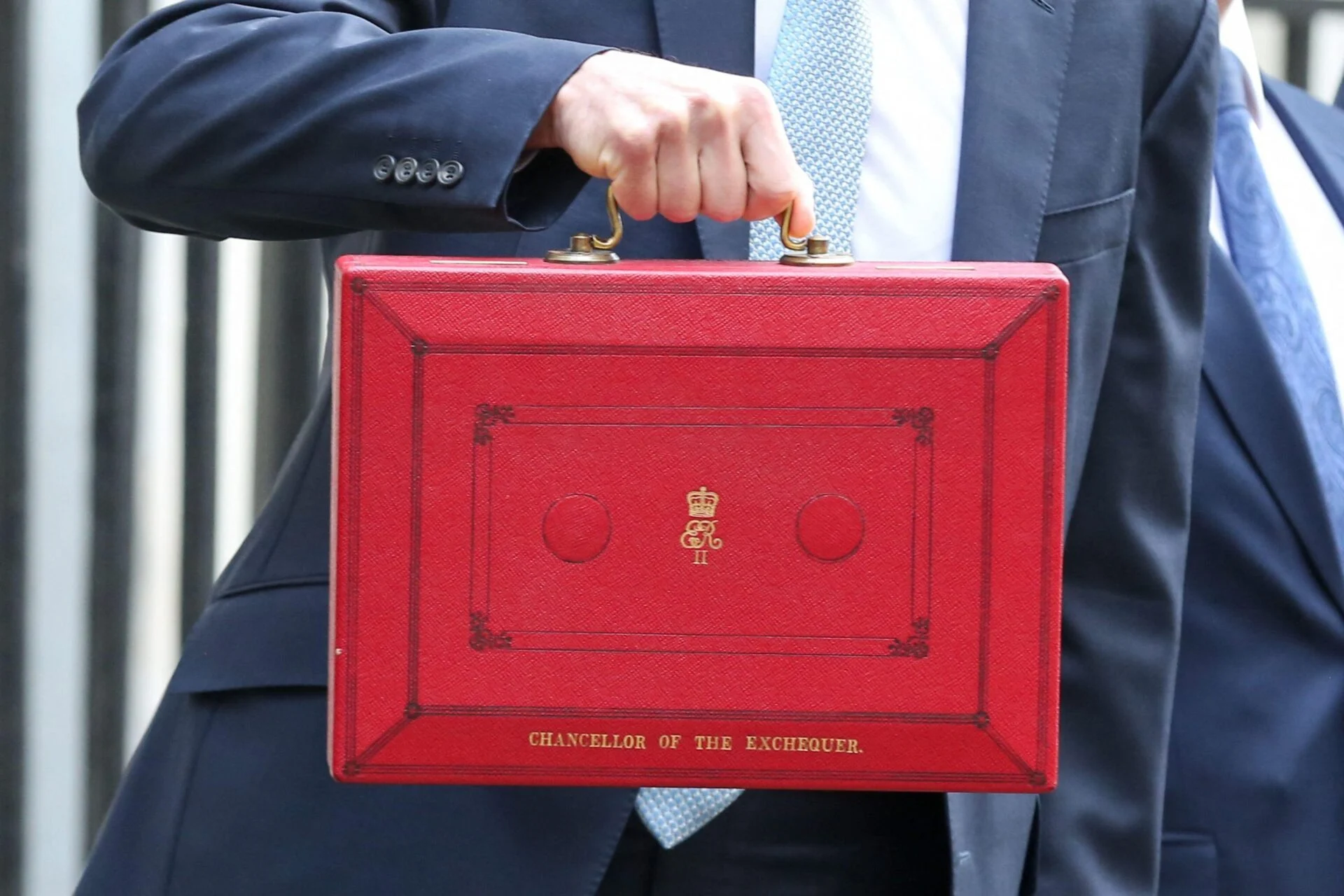
On Wednesday, October 28, UK Chancellor of the Exchequer John Healey will present the autumn budget in parliament, a moment that could significantly impact an anxious UK retail sector.
In recent months, speculation has swirled around a possible increase to Machine Game Duty (MGD) for Category B gaming machines, which is now anticipated in some form. The Social Market Foundation released a report in June advocating for a jump in MGD from 20% to 40%, claiming this change could generate between £275 million and £458 million while addressing the associated harm risks from these machines. This proposal was supported by figures such as former Prime Minister Gordon Brown and numerous Labour MPs.
However, the prospect of a smaller increase has emerged amidst growing concerns from the industry. The Betting and Gaming Council (BGC) has pointed out that a 5% hike could jeopardize up to 16,000 jobs, as well as the viability of 1,500 betting shops and 34 casinos. They projected that the Treasury could actually lose £124 million in tax revenue if businesses close.
Reports indicated that Healey might opt for a more modest 5% tax increase rather than the initially debated higher rate. While some industry representatives have characterized this as a sigh of relief—The Times referred to it as a "boost for racing"—many remain cautious.
Greg Knight, CEO of JenningsBet, expressed skepticism, stating, "It’s a bit like when you’re at an airport and they say you’ve got a three-hour delay, then they revise it to half an hour, and everyone cheers. I certainly don’t think it’s a win… it’s still going to be a big drain on the industry.”
Similarly, Simon Zinger, managing partner at Calibri Law and advisory firm Bluestar Partners, emphasized that, while a 5% increase may be better than a steeper hike, any tax rise remains detrimental. He noted, “I don’t think it’s a win given that any level of additional tax would be counterproductive.”
The BGC reiterated that any tax increase threatens jobs and businesses, although the potential damage is expected to be less severe than what would come from a 20% increase. Financial consultant Andrew Bowden estimated that, with no store closures, the Treasury could still gain around £120 million in tax; however, he cautioned that each betting shop closure resulting from the hike would cost the government approximately £155,000. It was calculated that 280 closures would negate any gains.
Knight mentioned that he could face the closure of a handful of stores with the looming tax rise. Reports from the BBC highlighted similar concerns from bingo halls and amusement arcades, with Buzz Bingo commenting that 40% of its clubs would enter loss-making territory should the 5% increase materialize.
Zinger, a former general counsel at Entain, also predicted a rise in regulatory actions and fines due to the tax increase combined with previously raised remote gambling taxes. He suggested that the industry might experience a notable rise in enforcement actions in the next 12 to 24 months as operators tighten compliance measures under financial pressures, leading to staff departures from affected businesses.
On a different note, some online gaming companies without physical retail presence might benefit from the tax hike. Brands like Midnite and Mr Q could find themselves better positioned in a more challenging landscape for traditional retailers. Zinger pointed out that these smaller companies might thrive as larger competitors falter under increased financial strain, highlighting their agility in adapting to new regulations.
As Healey prepares to unveil his budget, there are growing concerns regarding how data-driven the policy changes will really be. A leaked draft of the initial SMF report revealed significant hesitations among its authors about the accuracy of certain claims regarding job losses in the industry and the repercussions for bingo and seaside arcades.
James Noyes, a senior fellow at SMF, appeared unconcerned about the smaller 5% hike, suggesting a 25% rate as a more appropriate figure in a recent social media post. Knight expressed frustration at the persistent uncertainty, noting that it’s been disheartening for his employees who worry about job security amidst such volatility.
Calls for clarity and stability have intensified within the industry. While a modest 5% MGD increase may be manageable, the fear remains that additional hikes could follow. Zinger argued that the increase does not bode well for the long-term growth of the UK gaming industry, suggesting that the government is likely to seek further tax revenue in the future.
Investment appetite in the sector has also waned due to the unpredictable climate. Genting Casinos COO Paul Willcock remarked that despite eagerness to invest in the UK market, regulatory instability remains a barrier. Industry players like Hippodrome's Simon Thomas echoed this sentiment, emphasizing the need for consistent operational conditions.
Knight concluded that uncertainty is detrimental to business planning and echoed calls for the government to assure the sector of no further tax hikes during the current parliamentary term. "It’s just not good for any business to have three or four months of uncertainty," he said. "We’re just sitting here and waiting really."

