
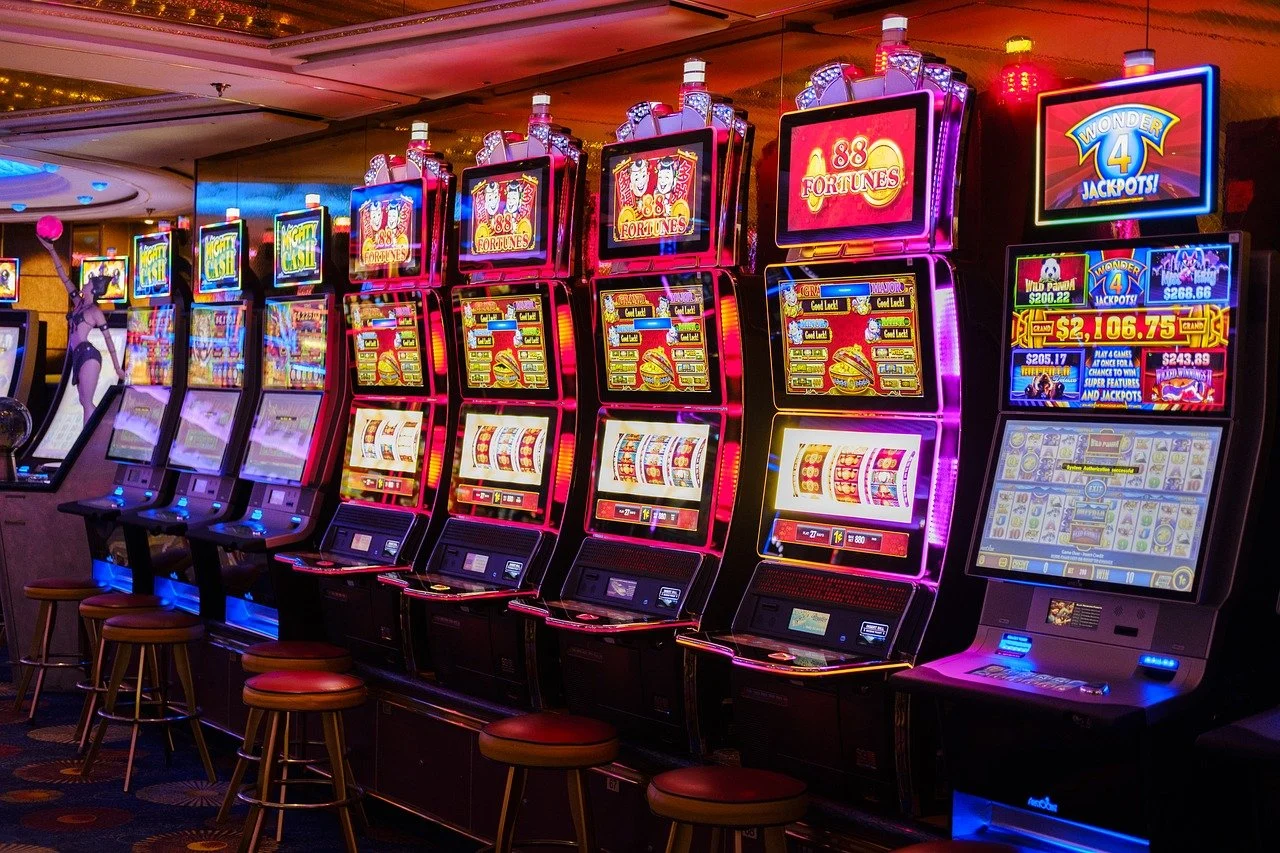
Adult gaming centers (AGCs) primarily focus on providing access to gaming machines, devoid of any sports betting services, and many operate 24/7. Reports indicate that hundreds of these facilities remain open around the clock, increasingly found in locations previously occupied by betting shops, which have been closing down. Politicians are starting to regard these arcades as reflective of the decline seen on high streets.
The British Prime Minister Andy Burnham has labeled betting shops as a sign of deteriorating high streets and holds an even less favorable view of AGCs. A Labour source communicated to The Times that Burnham has a distinct aversion to adult gaming centers, implying potential fiscal action from the Treasury.
The government is currently exploring options to increase the machine games duty (MGD), which taxes the earnings from gaming machines, in light of the upcoming budget set for October 28. According to the Financial Times, Chancellor John Healey is contemplating a tax increase that specifically targets both betting shops and AGCs, a move that could significantly impact businesses reliant on machine revenues.
AGCs are less prevalent in the market compared to their political visibility. Dan Waugh, a partner at consultancy Regulus Partners, notes that these establishments capture approximately 4% of total gambling expenditure within the regulated market. Competition exists between AGCs and betting shops primarily in machine gaming, with AGCs accounting for about a quarter of licensed spending as opposed to nearly half for betting shops projected for 2024/25.
The shift in dynamics has been notable since 2019 when the government reduced the maximum stake for fixed-odds betting terminals to £2. Waugh described this decision as an effort to effectively phase out category B gaming machines in bookies, redirecting spending towards casinos, bingo halls, and AGCs, especially as bookies closed their doors.
Bookmakers acknowledge that the revenue shift is occurring, albeit challenging to quantify accurately. A spokesperson for a prominent UK betting operator, who requested anonymity, emphasized the importance of revenue rather than merely counting venues, noting that AGC revenues are rising as betting shop revenues decline.
Cost efficiency plays a crucial role in AGCs' success compared to bookmakers. Running an AGC is significantly cheaper, as these venues are classified under a hospitality category for business rates, in contrast to the financial-services rate applicable to betting shops. Additionally, AGCs face a lighter burden in terms of statutory levies and do not incur media rights fees for racing broadcasts, yielding a naturally lower cost structure supported by government policies.
Arcades also benefit from extended operating hours. While betting shops typically close by 10 PM, AGCs cater to late-night crowds, especially after pubs close. The machine offerings in AGCs provide even more gaming options since they can feature a higher proportion of lower-stake Category C machines compared to betting shops.
The political opposition to AGCs appears to be partly motivated by perceptions of these venues and their impact on local communities. According to the Social Market Foundation (SMF), deprived areas host an average of six times more AGCs than affluent neighborhoods. Waugh argues that the disdain for arcades may stem from snobbish attitudes towards businesses that cater to working-class entertainment preferences.
Regulation surrounding AGCs is complex. While they receive licenses from the Gambling Commission, local councils must also grant premises licenses. The Gambling Act of 2005 stipulates that councils should generally permit applications that conform to legal requirements, limiting their power to reject unwelcome AGC developments.
Concerns have been raised regarding the Gambling Commission's oversight of AGCs, with some officials indicating that these establishments previously received less rigorous scrutiny. The current administration is shifting authority to local councils and has introduced Gambling Impact Assessments, with plans to modify the existing regulatory framework to potentially give communities greater power to block new AGC openings.
Peer groups have voiced their apprehension primarily regarding high-stakes Category B machines, advocating for more autonomy for communities to reject AGC proposals if desired. They have also raised issues of existing regulatory compliance violations related to machine gaming ratios and the presence of unregulated machines and tablets within AGCs.
The discussion is also spiraling towards financial implications. The MGD currently sits at 20%-25% on machine incomes, contributing roughly £600 million annually to government coffers. The SMF has recommended a 40% rate applicable to casinos, AGCs, betting shops, bingo halls, and members’ clubs, forecasting that this could generate an additional £458 million but citing significant economic harm stemming from machine gaming.
Former Shadow Chancellor Rachel Reeves contemplated a tax raise but ultimately deferred it due to industry pushback. The pressure on Healey’s fiscal decisions is increasing due to recent market turmoil, with expectations that he may pursue bolder tax policies without exceeding specific thresholds for bingo halls and pubs.
Waugh predicts that imposing a higher duty could force many AGCs, along with bingo clubs and betting shops, to close, especially as these businesses are still recovering from the impact of inflation and pandemic-related shutdowns.
Concerns about potential job losses are underlined by Entain, the parent company of brands such as Ladbrokes and Coral. During an investor letter dated September 11, CEO Stella David warned that doubling MGD could generate an additional £100 million in annual operational costs for their UK locations. She cited estimates predicting up to 1,470 shop closures and the loss of about 15,900 jobs stemming from the tax hike.
Entain's concerns were reiterated in their third-quarter earnings call, indicating that about 630 betting shops have shuttered nationwide over the last year, prior to any prospective tax increase.
In response, Bacta, the trade body representing arcades, argued against penalizing legal industries simply due to an aversion towards them.
While the landscape continues to evolve, some betting firms, such as Betfred, are rumored to consider transitioning some of their locations into AGCs as they downsize. But Betfred has denied these rumors, stating their intent not to shift from betting shops to AGCs. Any tax increase could potentially diminish the benefits of such conversions.
Experts speculate that operators with stronger financial positions will endure any tax hikes better than others, yet there is also apprehension regarding the capacity for illegal gambling activities to rise amid stricter regulations and enforcement challenges. Frontier Economics, referenced in Entain's correspondence, estimates that illegal land-based gambling currently garners approximately £1.6 billion annually.
As the situation unfolds, the government may eliminate AGCs from high streets, leading to a simultaneous decline in the presence of bookmakers, leaving behind a growing illicit market.

