
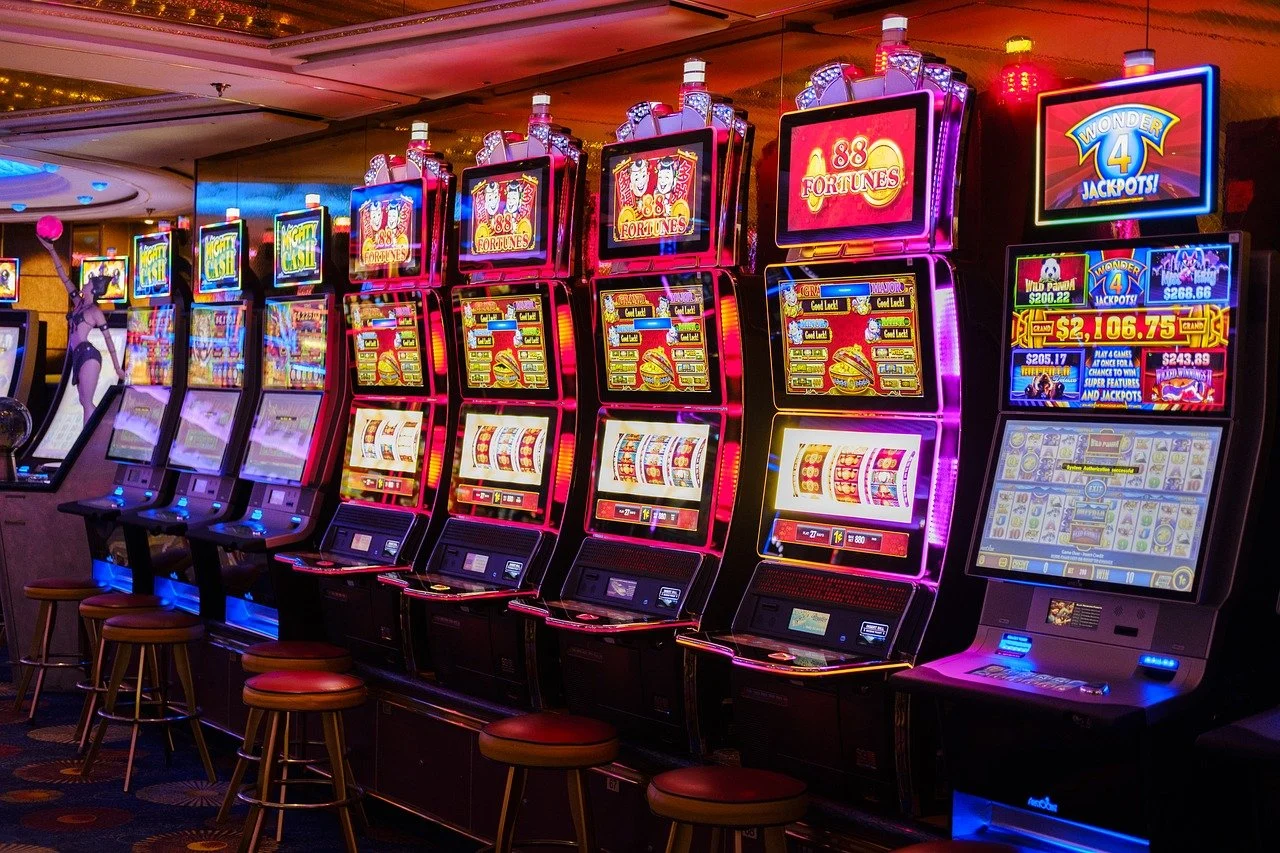
Adult gaming centres (AGCs) are focused solely on offering play on gaming machines and do not accept sports bets. Many of these venues operate around the clock, with reports indicating that hundreds remain open 24/7. As betting shops continue to close, AGCs have begun occupying similar spaces, drawing the attention of politicians who view them as emblematic of high street decline.
British Prime Minister Andy Burnham has been vocal about his disdain for betting shops, and his negative stance on AGCs is well-documented. "Andy hates adult gaming centres," a Labour source told The Times. This has raised questions about potential government action.
The Treasury is currently considering increasing the machine games duty (MGD), the tax applied to machine earnings, ahead of the budget announcement scheduled for October 28. According to the Financial Times, Chancellor John Healey is contemplating a targeted increase that would affect only betting shops and AGCs, putting immense pressure on businesses that rely entirely on machine income.
In the realm of politics, AGCs play a more significant role than their actual market presence would suggest. Dan Waugh, a partner at Regulus Partners consulting firm, points out that AGCs account for roughly 4% of overall spending in the regulated gambling market. When focusing specifically on machine spending, AGCs capture about a quarter, in contrast to betting shops that take in just under half for 2024/25.
This shift in the gambling landscape has accrued momentum since 2019, when the government imposed a £2 maximum stake on fixed-odds betting terminals. Waugh argues that this move, which effectively diminished the role of B2 gaming machines, has redirected spending from bookmakers to casinos, bingo clubs, and AGCs, particularly as betting shops have downsized.
Bookmakers acknowledge the shift has occurred, although quantifying its impact poses challenges. A spokesperson for a major UK operator, who requested anonymity, reflected on the situation: "I don’t think anyone can estimate the revenue impact with much certainty," emphasizing that current revenue trends show AGCs flourishing while betting shops struggle.
The success of AGCs can be attributed, at least in part, to their lower operational costs. The operator noted that managing an AGC is less expensive than running a betting shop since AGCs are classified as hospitality venues, which allows for lower business rates. Additionally, they contribute less towards the statutory levy and do not incur media-rights fees for race screenings, resulting in a more favorable cost structure.
AGCs also benefit from extended operating hours. While bookmakers generally close by 10 PM, AGCs cater to the late-night crowd, which typically fills in after pubs shut down. A betting shop may house only a few higher-stake Category B machines, whereas in an AGC, these may represent only 20% of the total machines, thereby allowing operators a plethora of lower-stake machines, similar to iPads, to enhance revenue potential.
Political sentiments surrounding AGCs are heavily influenced by their locations. The Social Market Foundation (SMF) highlights that the most deprived regions have on average six times as many AGCs compared to more affluent areas. As Waugh argues, much of the opposition to arcades seems rooted in snobbery. Data from the Gambling Commission shows a lower incidence of problem gambling among players in AGCs relative to those using machines in pubs. Arcades have a tendency to cluster in seaside towns and heavily populated cities, alongside pubs and discount retailers, which reflects the prevalence of establishments catering to working-class entertainment.
Regulatory control over AGCs is divided. While operators must obtain licenses from the Gambling Commission, local councils also need to issue premises licenses. The Gambling Act 2005 mandates that councils should aim to permit applications that satisfy legal requirements, limiting their ability to deny an undesired arcade.
The spokesperson for operators believes the Commission was slow to respond to the unique challenges posed by AGCs: "For a while, AGCs weren’t considered properly by the Gambling Commission under the same scrutiny," noting that the organization has begun to address these issues.
The government is granting more authority to local councils through the introduction of Gambling Impact Assessments, with Burnham stating that the current "aim to permit" policy will change. Lord Foster of Bath, leading Peers for Gambling Reform, has expressed concerns about the inadequacy of the current regulatory framework and the need for communities to gain more power to prevent the establishment of new AGCs if they desire.
A key worry remains the presence of high-stake, high-harm Category B machines. Foster indicates evidence of rule violations, such as issues with the 80/20 machine gaming ratio and the improper use of machines and devices that are not easily accessible. He wants councils to receive additional funding for effective enforcement.
Bookmakers are advocating for even stricter measures. The operator’s spokesperson asserts that the elimination of the "aim to permit" provision is primarily designed to halt the establishment of new venues. They also argue for tighter regulations to close loopholes that allow AGCs to benefit from lower taxes, branding them as "mini-casinos on the high street."
A more pressing concern is fiscal policy. MGD currently sits at 20%-25% on most machines and generates approximately £600 million annually. The SMF is proposing a 40% rate for casinos, arcades, betting shops, bingo halls, and member clubs, excluding pubs. They estimate that such a rate increase could generate an additional £458 million, given that the economic detriments associated with machine gaming harm reach £2.33 billion. Both betting shops and AGCs face the same MGD rates, meaning any increase would impact both sectors, regardless of the scope of Healey's plan.
Rachel Reeves, Healey's predecessor, previously contemplated an MGD hike but rescinded it following objections from the industry, instead choosing to raise remote gaming duty from 21% to 40%. Healey's recent encounters with bond-market challenges may lead him to take a more aggressive stance on taxation. It is expected there will be distinctions, as sources close to the Prime Minister indicate that he favors bingo halls and pubs.
There are fears that increased duties could lead to widespread closures. Waugh suggests that a doubling of the tax could significantly threaten the viability of AGCs, bingo clubs, casinos, seaside arcades, and betting shops, all of which are still recuperating from the effects of inflation and pandemic lockdowns.
Entain, the parent company of Ladbrokes and Coral, has voiced the most substantial opposition. In a letter to the Prime Minister dated September 11, CEO Stella David warned that raising the MGD from 20% to 40% could impose an additional £100 million burden on their UK establishments. She referenced modelling from EY, suggesting that such an increase could lead to 1,470 shop closures and the loss of 15,900 jobs, ultimately resulting in a £120 million deficit for the Exchequer.
David reiterated this position during Entain's third-quarter earnings call on October 15. She highlighted that around 630 betting shops have ceased operations within the past year, even before any new tax raises. Imposing higher duties would, in her view, be self-defeating and would further erode an already struggling high street, ultimately decreasing Treasury income.
The trade body representing arcades, Bacta, has countered that one cannot simply tax or regulate established industries into nonexistence based on personal disapproval.
Given the financial incentives, there is speculation that some bookmakers might consider converting their shops into AGCs in light of closures. Reports have emerged about Betfred potentially making this transition, capitalizing on existing leases, efficient machines, and longer business hours. However, Betfred has publicly denied such plans, emphasizing that they do not intend to convert any of their shops. If MGD rises significantly, any appeal for conversions would diminish accordingly.
Waugh predicts that operators with stronger financial foundations will have a better chance of surviving a tax increase. The illicit market may also flourish as licensed operators contend with rising costs and regulations. A report cited by Entain estimates approximately £1.6 billion is currently wagered through illegal land-based gambling.
Burnham might end up eliminating arcades, only to witness the simultaneous disappearance of betting shops and a surge in underground betting venues. As Waugh succinctly states, raising taxes could have consequences that benefit only offenders or those who wish to prohibit gambling.

