
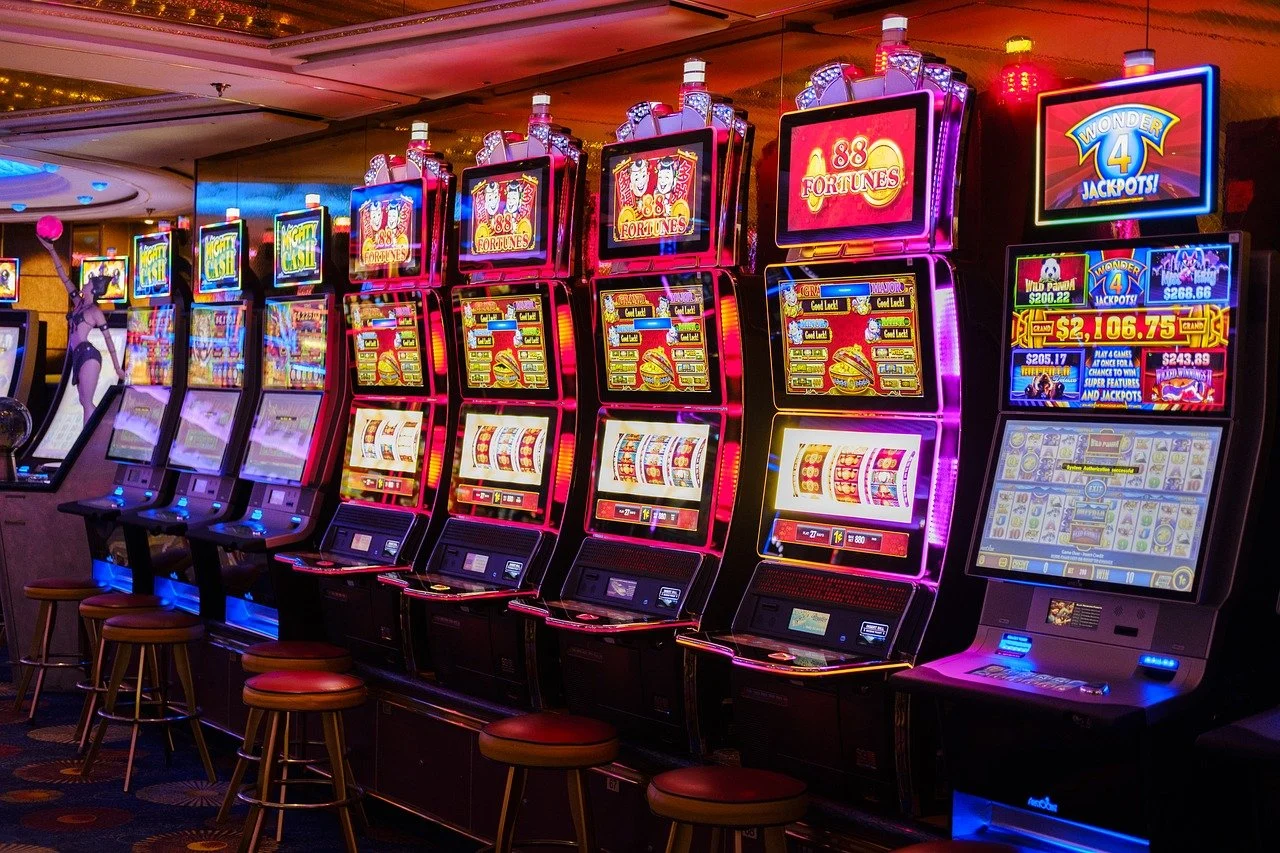
Adult gaming centres (AGCs) operate primarily on gaming machines and do not engage in sports betting. Many of these establishments are open around the clock, with reports indicating that hundreds operate 24/7. As traditional betting shops close, AGCs have begun to fill similar roles in the urban landscape, which has led to increasing scrutiny from politicians who view them as emblematic of the decline of high streets.
British Prime Minister Andy Burnham has voiced his disapproval of AGCs. According to The Times, a Labour source stated, "Andy hates adult gaming centres," suggesting that the Treasury may soon implement measures against them.
On October 28, the government is set to propose higher rates of machine games duty (MGD), the tax levied on machine earnings. The Financial Times reports that Chancellor John Healey is considering this increase specifically targeting both betting shops and AGCs, putting immense pressure on businesses reliant on gaming machines.
AGCs hold a minimal share of the gambling market; they account for approximately 4% of licensed gambling expenditures, with competition primarily stemming from betting shops, which dominate the machine sector. Dan Waugh, a partner at Regulus Partners, noted that AGCs accounted for about 25% of licensed gambling spending on machines in 2024/25, compared to nearly 50% for betting shops.
The government’s reduction of the maximum stake on fixed-odds betting terminals to £2 in 2019 has shifted spending from bookmakers to casinos, bingo clubs, and AGCs, particularly with many betting shops closing down. While bookmakers acknowledge this trend, they have difficulty quantifying its exact impact. An operator for a larger UK betting company emphasized the growing revenues of AGCs relative to declining betting-shop revenues.
The appeal of AGCs over betting shops centers largely on operational cost. AGCs benefit from being classified as hospitality venues, resulting in lower business rates compared to betting shops. They also pay a reduced statutory levy and no fees for media rights related to racing. This cost advantage is magnified by their extended hours; AGCs cater to late-night crowds, typically remaining open after pubs close.
Regular betting shops have a limited number of high-stakes Category B machines, whereas AGCs can host a larger number of lower-stakes Category C machines, enabling them to provide more gaming opportunities without incurring higher stakes. This business model allows for greater profit potential, which is evidenced by smaller venues opening as AGCs.
The distribution of AGCs across Britain often leads to perceptions of snobbery regarding these establishments. The Social Market Foundation reports that deprived areas host six times more AGCs than affluent locations. Waugh highlighted that lower rates of problem gambling are observed among arcade players compared to those playing in pubs, noting the prevalence of AGCs in seaside towns and dense urban environments that feature budget pubs and shops as well.
Regulatory oversight for AGCs is shared by the Gambling Commission and local councils. Under the Gambling Act of 2005, councils are mandated to permit compliant applications, limiting their ability to deny unwanted AGCs. The Gambling Commission's engagement with AGCs has been criticized for being insufficient, though there appears to be a move towards more scrutiny.
Currently, the Burnham administration is shifting regulatory power to local councils by implementing Gambling Impact Assessments. Community leaders, such as Lord Foster of Bath, have expressed concerns regarding the current regulatory framework, particularly with higher-stakes machines and the need for councils to have the authority to reject new AGCs. Further, he pointed out instances of rule violations related to machine usage.
Despite demands from bookmakers for tighter regulations, operators claim the existing rules favor AGCs, labeling them as unfair competition in urban settings. They argue the need to eliminate tax loopholes that AGCs exploit, likening them to "mini-casinos" within city centers.
With an estimated £600 million collected annually from MGD — taxed at 20%-25% on machines — the Social Market Foundation suggests increasing the tax rate to 40% across all gaming venues, excluding pubs. Such a rise could yield significant revenue but could also lead to further shop closures, especially affecting AGCs which are already struggling with inflation and the aftermath of lockdowns.
Entain, the parent company of Ladbrokes and Coral, raised alarms over a proposed tax increase. CEO Stella David stated in a September 11 letter to the Prime Minister that a jump to 40% would cost their UK shops around £100 million annually. She referenced modeling from EY that predicts 1,470 shop closures and approximately 15,900 job losses in the sector.
During Entain’s third-quarter earnings call on October 15, David reiterated that the industry has already faced closure of about 630 betting shops within the last year due to various pressures. She stated that increasing taxes could ultimately harm high street businesses, resulting in lower revenues for the Treasury.
In response, the arcade industry expressed concern that excessive taxation and regulation could dismantle their operations solely based on political disapproval.
Interestingly, reports circulated that Betfred might convert some of their betting shops into AGCs, leveraging existing resources to enhance earnings. However, Betfred denied these claims, stating they do not plan such conversions and suggested that a tax hike would reduce the incentives for this type of change.
Waugh suggests that operators with stronger financial foundations are more likely to survive any tax rise, while the illicit gambling market may continue growing absent effective regulatory enforcement. Existing estimates suggest that illegal gambling already captures £1.6 billion annually. The potential cutback on AGCs could lead to a scenario where both betting shops and AGCs vanish from the high street, further elevating the black market.
Overall, Waugh asserts that a duty increase will likely benefit no one except illicit operators.

