
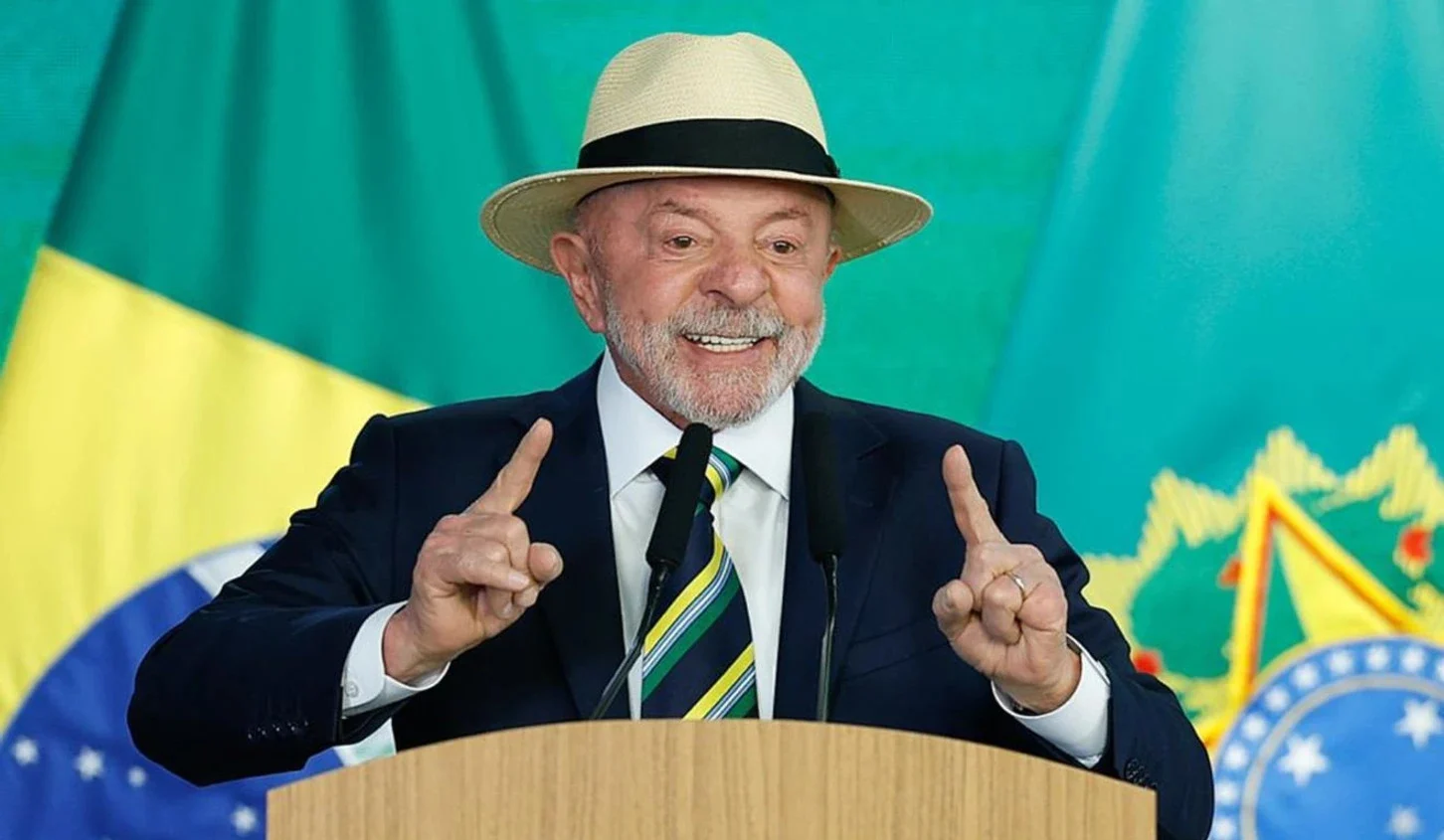
The Superior Electoral Court (TSE) in Brazil has officially confirmed the re-election of President Lula, with nearly 52% of the vote compared to Flávio Bolsonaro's 48%. The narrow victory margin, a little over 4.3 million votes, highlights the contentious nature of the election. Lula's opposition to betting contributed to the publication of Provisional Measure 1,394, which bans all forms of gambling.
Following this electoral win, it is anticipated that Lula will intensify his critique of the betting industry. His campaign notably framed the election as a referendum on gambling. The battle against this provisional measure is set to resume at both the Supreme Federal Court (STF) and the National Congress.
Lula has previously emphasized that the ban on betting aims to protect families in debt. With the electoral win bolstering his position, he is likely to adopt an even more aggressive tone against gambling, despite the fact that tax revenues from this industry play a crucial role in sustaining public finances. During the second round of elections, Lula assured voters that gambling would not be reinstated, failing to acknowledge that the final decision rests with the legislative and judicial branches.
The STF will serve as the initial line of defense, tasked with evaluating the constitutionality of the provisional measure. Various organizations within the gambling industry and football clubs have initiated legal actions questioning the measure. Minister Luiz Fux, the rapporteur for the STF concerning this case, has vowed to reach a decision following the conclusion of the electoral process.
As an expert in constitutional law, Fux will weigh aspects such as whether the measure disrupts contracts, leads to mass layoffs, and effectively prohibits gambling. Critics argue that a temporary measure cannot eliminate gambling in Brazil and suggest it may drive bettors toward illegal alternatives. Concerns about the provisional measure's constitutionality indicate that Fux might consider revoking it, though significant damage to Brazil's credibility and attractiveness for investment has already occurred.
Investors who anticipated a regulated environment invested approximately BRL30 million (about $6 million) for five-year licenses and additional reserves, only to see their operations cease for over a month, resulting in a loss of BRL1.2 billion in revenue. The government, in turn, has forfeited over BRL400 million in tax income from various sources.
In a related development, the permits for gambling licenses are set to expire, and if the STF decides to annul the provisional measure, the cancellation of licenses would also be rendered invalid.
Attention now turns to the National Congress, where a Joint Committee for Provisional Measure 1,394 has been formed with 12 senators and 13 representatives as full members. The committee has not yet appointed a president or rapporteur, and it has not officially convened. Congress has a deadline until November 25 to evaluate the provisional measure, with the possibility of extending the deadline by 60 days if a majority agrees. However, after November 9, congressional discussions will be halted until there’s a vote on the provisional measure.
Last semester, Lula enjoyed considerable support in passing legislation due to strategic negotiations with leaders in both houses. That flexibility will be limited now, making it challenging for him to extend the life of this ban. It is likely that even if he can maintain the measure, it may not be addressed before the November 25 deadline, indicating a challenging road ahead. The President also faces unprecedented opposition, as the PL party, that of his electoral rival, has gained influential blocs in both chambers of Congress.
Current indications suggest that any potential reinstatement of betting may be confined to sports betting, excluding online casinos. The ongoing debate revolves around the fate of licenses that became invalid as of October 25. The ultimate direction of this issue will rest with Congress.

