
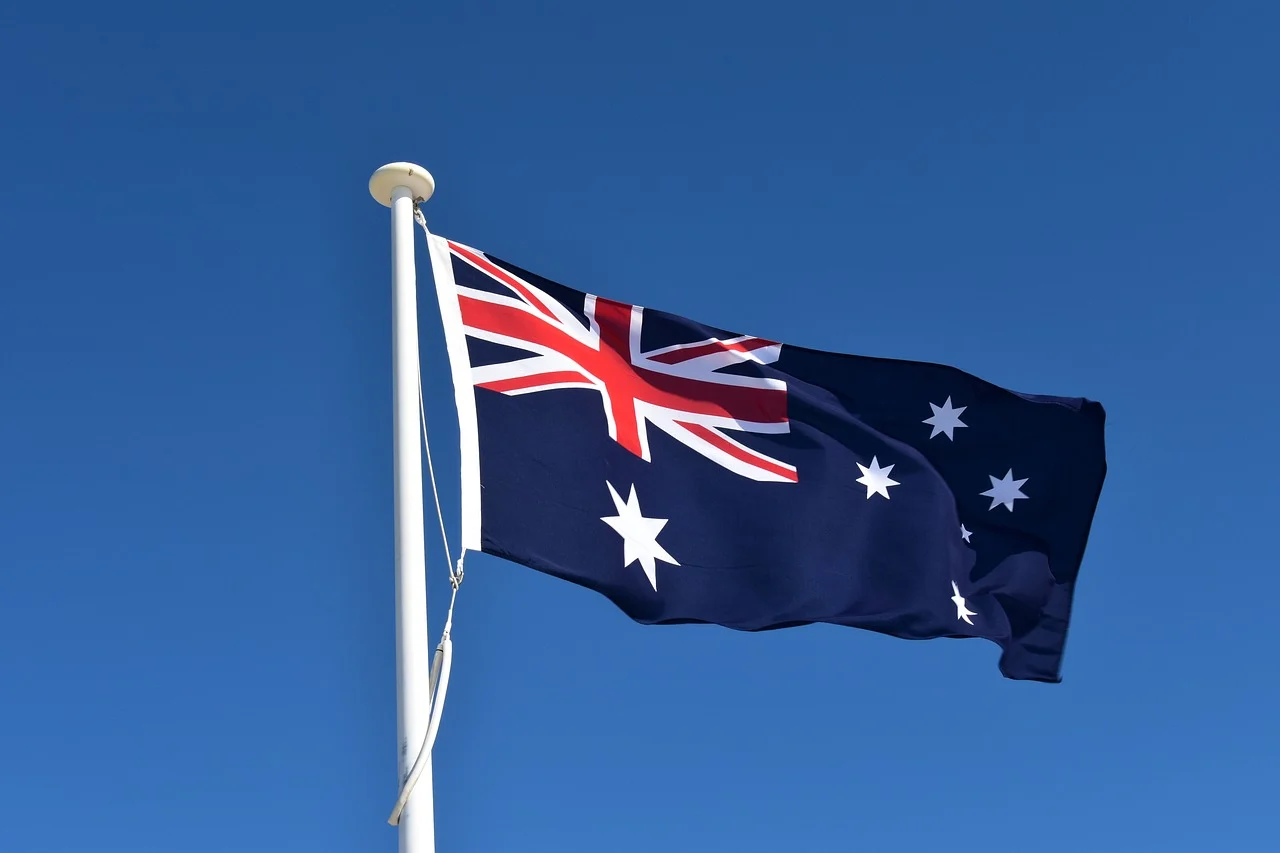
The Australian Communications and Media Authority (ACMA) has released its first set of guidelines concerning the prohibition of “notable persons” in gambling advertisements ahead of new advertising rules taking effect in the country. This guidance comes with a deadline, giving operators, broadcasters, and publishers less than three months to adapt before the rules go live on January 1, 2027.
Starting in 2027, no gambling advertising can feature notable individuals, regardless of whether the content is broadcast or available online. Additionally, licensed interactive wagering service providers will be prohibited from engaging in sponsorships or contracts that involve notable persons promoting wagering advertising in Australia.
This ban will be enforced across a variety of platforms, such as broadcast television, radio, news websites, online gaming sites, and social media.
The legislation provides a broad definition of a notable person: it includes current or former professional athletes, celebrities, social media influencers, and any other prominent individuals, with the option for the minister to further widen this classification. Notably, the inclusion of former figures means that retired sports stars and past influencers, who have been commonly featured in gambling marketing strategies, will also fall under this restriction.
The ACMA's guidelines clarify the application of this definition and provide examples of individuals who would be considered notable under this rule. They also outline how the regulator will evaluate potential breaches and what the implementation will entail, including provisions relating to the responsibility of affiliates, agencies, and media partners, in addition to operators. The guidance does note certain exceptions, especially for dedicated racing services and specific channels.
The release of this guidance follows critical discussions at a Senate inquiry regarding the bill. During a hearing on August 4, 2026, Senator Sarah Hanson-Young expressed her concerns regarding the notable person restriction, and representatives from Sportsbet cautioned that the definition could be overly inclusive, potentially affecting “anyone with an Instagram account.” Despite this, Sportsbet, TAB, and Responsible Wagering Australia conveyed their support for the government's package while warning against the consequences of a total advertising ban, which they believe would push bettors towards illegal offshore alternatives.
The ACMA has indicated that it may provide more formal guidance on the notable person provision in the future if necessary. The agency has intentionally kept the definition broad to ensure it encompasses any individual that a wagering provider may use to promote gambling through their association. Compliance rests squarely with the licensed operators, meaning they may need to remove or modify advertisements if an individual featured in them becomes classified as notable after the fact.
This ban on notable persons is part of a broader set of reforms outlined in the Interactive Gambling Amendment (Gambling Reform) Bill 2026, which was passed by parliament on August 19, 2026. This legislation introduces additional restrictions on wagering advertisements, including bans during live sports and inside sports venues, alongside prohibiting direct marketing of inducements to at-risk consumers. It also includes measures to enhance enforcement against illegal gambling operations and establish BetStop, a national self-exclusion register, while addressing harmful online lottery products.
All the new regulations are set to take effect on January 1, 2027, with the ACMA entrusted with the task of monitoring compliance and providing further industry guidance as needed. In conjunction with this law, the National Self-Exclusion Register (Cost Recovery Levy) Bill 2026 and the Interactive Gambling (Cost Recovery Levy) Bill 2026 were also approved. These bills permit the government to recover costs for promoting BetStop from wagering service providers, enforcing the new inducement regulations, and developing an opt-out register for advertising.
With this deadline now in place, the focus shifts to how operators will comply. Companies that have relied on marketing strategies involving sporting ambassadors and influencer partnerships will need to reassess their existing agreements and promotional material before the new year.