
Gambling operators face a significant decision when assessing whether to build their own casino platform or buy one from a vendor, a determination that can evolve throughout the lifespan of their business.
Start-ups often opt for third-party solutions to establish a market presence, whereas more established operators with substantial financial resources may consider developing proprietary platforms. However, the complexities involved can necessitate further deliberation as business conditions and staffing change.
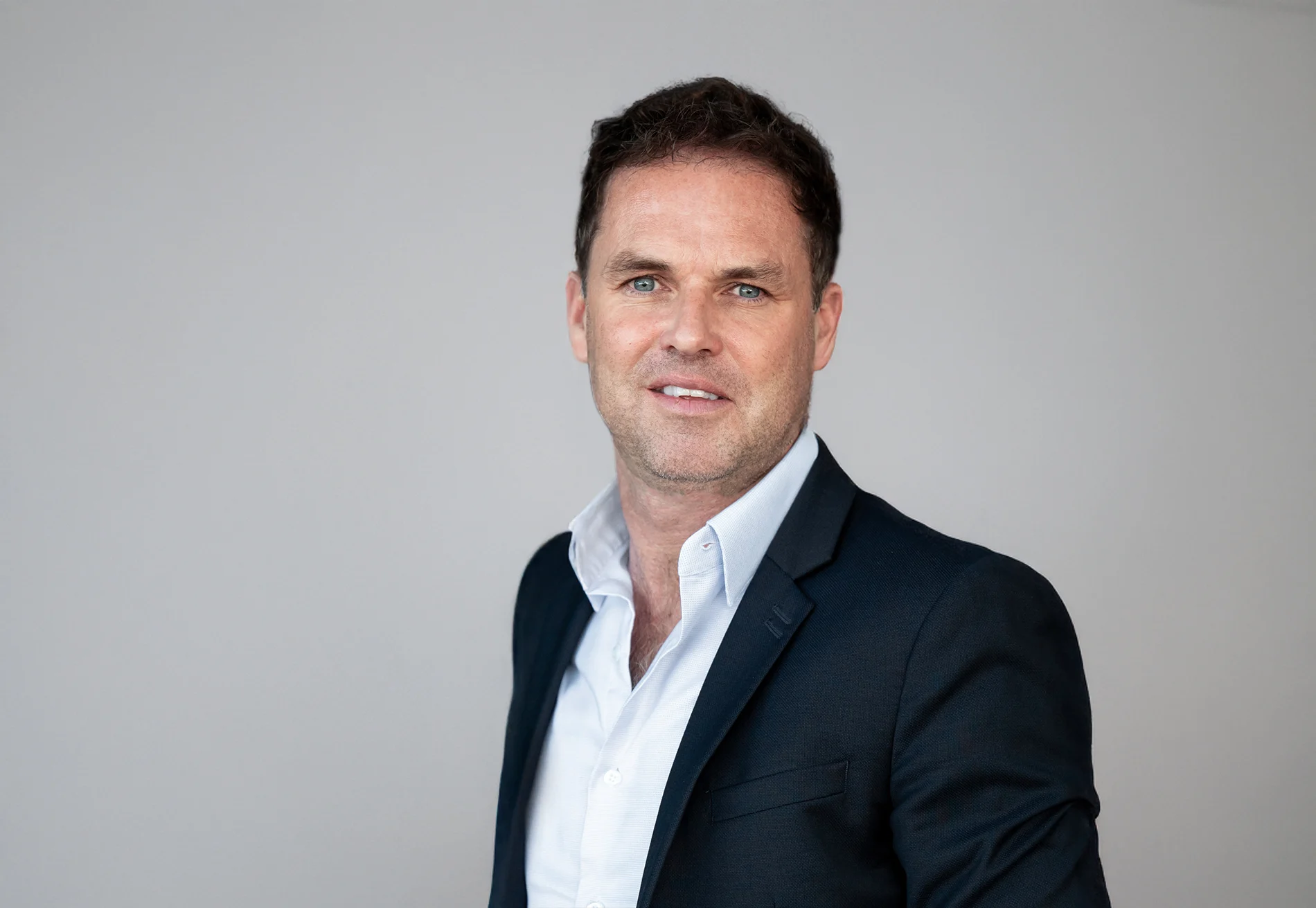
Steven Valentine, chief commercial officer at Comtrade Gaming, describes the process as cyclical. "Operators typically start with a third-party vendor, but they might later feel constrained by their provider and contemplate moving in-house. As time passes, the expertise within the company can shift, making the existing technology outdated, prompting them to reevaluate their strategy. This cycle can take anywhere from eight to 15 years," he explains.
The scale of operations plays a crucial role in this decision-making process. Valentine indicates that operators generating less than £250 million in gross gaming revenue (GGR) are unlikely to consider building their own platform. Once they exceed this threshold, however, it may become feasible to invest in homegrown technology, assuming they are committed long-term.
"At that size, owning your technology might align better with your business strategy – but operators must assess whether their current technology is a hindrance or if they simply chose the wrong vendor initially," Valentine adds.
Despite the allure of building, the associated financial commitment can be daunting. According to Valentine, operators often misjudge the total investment required to sustain an in-house platform long after its launch. Continuous overheads, such as 24/7 technical support, must be accounted for, resulting in persistent budget requirements.
"Building an iGaming platform is not akin to developing a simple software application; it is a large-scale, enterprise-level project," he notes. "The required team size to both build and maintain the platform remains consistent over time. Building forces you to adopt a technology-centric mindset, which can be challenging."
As platforms evolve, so do the complexities, leading to increasing costs of ownership. Operators frequently struggle to embrace the cultural shift that comes with a more technology-driven focus. Valentine articulates this challenge by asking, "Are you prepared to effectively become a tech company?" Many larger operators tend to adopt a multi-platform strategy, retaining proprietary technology while leveraging third-party solutions, especially when entering new markets.
This hybrid method allows for quick market entry while helping to meet compliance standards. Valentine points out that vendors often possess vital local knowledge, thereby reducing risks associated with market expansion. However, developing trust in these vendors necessitates thorough due diligence, including consulting current clients.
Valentine underscores that while selecting a vendor on price is common, choosing the wrong one can prove far more detrimental. "There's a significant cost associated with being unable to execute your plans due to constraints from a software vendor," he cautions.
In terms of migration, operators typically face minimal upfront costs, which may not reflect the true expense incurred by vendors in onboarding. Valentine notes that costs can spike significantly if operators decide to build. He cites an operator whose average platform expense stands at around £60 million annually. Conversely, using a third-party vendor could cost less than 20% of that amount in revenue share fees.
Nonetheless, building proprietary technology can yield competitive advantages. Valentine cites bet365 as an exemplary case, highlighting their control over technology as a key factor in their success. "Developing new concepts can elevate your competitive stance, giving you a market edge that can be quickly copied by others, but you initially have that advantage. Control over your technology means you are less vulnerable if your vendor fails to align with your strategy or undergoes changes in ownership."
From a vendor's perspective, operating platform costs can benefit from economies of scale, yet Valentine notes that many providers are still losing substantial sums providing iGaming platforms.
At Comtrade, Valentine emphasizes intentional client selection to ensure profitability and sustainable growth. "We focus on existing operators migrating to our platform, giving us clear visibility. We emphasize mutual growth and have aimed for profitability from our inception. The previous trend of prioritizing exit strategies has shifted; now, sustainable revenue growth is paramount."
For operators weighing the build versus buy decision, striking an equilibrium is crucial. While building a platform offers benefits, unrealistic expectations can lead to unsustainable financial burdens.

