
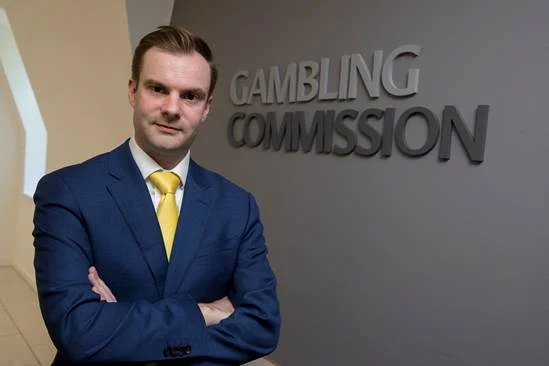
Tim Miller is embarking on a new journey after spending a decade at the UK’s Gambling Commission, where he played a pivotal role in implementing the 2023 white paper reforms. These reforms encompassed various aspects of gambling regulation, including age verification, game design, marketing controls, and financial risk assessments (FRAs), alongside the initiation of the Gambling Survey for Great Britain (GSGB).
Among his numerous contributions, Miller cites the National Strategy to Reduce Gambling Harms as his standout achievement. This strategic initiative effectively partnered with the financial services sector to enhance harm prevention, prompting institutions like Starling to introduce features that block gambling transactions.
After announcing his departure in June, which was finalized last month, Miller now leads GamReg Consulting. His initial clientele includes Gaming Compliance International (GCI), known for providing transaction and market monitoring tools to regulators, and Spectrum Gaming Group. He expressed enthusiasm about the support received since launching, particularly during a recent appearance at G2E in Las Vegas.
Miller’s exit from the Commission coincided with a period of transition, as Chief Executive Andrew Rhodes stepped down at the end of April. This was followed by an announcement regarding the confirmation of FRAs in July, pending full implementation.
In reflecting on his departure, Miller clarified that he was not pushed out by the Commission’s evolving direction. "I wasn’t looking to escape the Commission, I was just ready for the next challenge," he said. Although there was speculation about him being a potential successor to Rhodes, Miller never sought the role. He recognized the necessity of a long-term commitment, stating, "If you’re going to do that job, you need to be willing to commit for at least three years or more, and I’d been clear for some time that that wasn’t what I wanted to do."
Addressing the series of senior departures, he commented that the timing was coincidental and emphasized the Commission’s substantial workforce of over 300 individuals. "As important as individual leaders are, they’re not more important than the whole," he added.
Miller pinpointed the illegal gambling market as the Commission’s foremost challenge, arguing against unrealistic expectations regarding a regulator's capabilities. He compared illegal gambling operations to organized crime, highlighting that no one would anticipate a regional regulator handling issues comparable to those in the international drugs trade alone. He stressed the collaborative roles needed from law enforcement, governments, and technology companies to effectively combat the illegal market.
He defended the GSGB against criticism from industry members who claim it overstates the prevalence of gambling participation and associated harms. He pointed out that some critics have ignored the limitations of the Health Survey for England, which tends to show lower rates of problem gambling, even though it indicates a rising trend compared to the stable figures suggested by the GSGB. "If anybody suggests there’s a single survey or piece of data that gives you the absolute definitive picture on an issue, then frankly, they’re kidding you," Miller remarked.
Concerns regarding FRAs have sparked significant opposition within the industry. Miller attributed this pushback to two primary factors: misleading branding, with opponents referring to them as affordability checks—"which are a very different beast to financial risk assessments"—and financial implications derived from the pilot study that revealed a group of at-risk individuals who generated substantial revenue. He argued that implementing the FRAs correctly could ultimately reduce documentation requests for consumers while helping to identify those at risk.
Dismissing claims of board delays surrounding the FRA approval, he stated, "Inaccurate.” The initial implementation targets only the largest operators and customers with net deposits exceeding £5,000 in a 24-hour period ($2,500 for those under 25), imposing no enforcement actions in the early stages.
When asked about potential changes to these thresholds, Miller noted the importance of proportionality and remarked, "Where you see evidence of risk coming down, regulatory burdens can come down with it."
Regarding the worry that high-value customers might move to offshore sites due to FULL implementation of FRAs, Miller maintained a balanced perspective, acknowledging a risk that requires monitoring. He argued, however, that operators also bear responsibility for creating conditions that push players to unregulated markets. Miller mentioned receiving feedback from successful bettors who faced restrictions, leading them to engage with illegal venues.
In June, Rhodes’ appointment as a consultant at advisory firm Hawkbridge stirred allegations of conflicts of interest. Miller, also serving as an advisor to a vendor supplying regulatory monitoring tools, categorically rejected such accusations. "No, not at all. I was very clear that I didn’t want to move into roles that would compromise my independence," he asserted. While he accepted that he would not disclose confidential information from his time at the Commission, he insisted that his expert knowledge remains his own.
He expressed a desire to maintain his independence as he begins his new venture, focusing on assisting governments, regulators, and technology firms. His priorities include sharing insights with new jurisdictions, particularly in the U.S.; continuing to press technology platforms like Meta over their illegal gambling advertisements; and improving conversations between developers and regulators. He recounted past experiences with vendors who overwhelmed him with jargon, asserting, "I didn’t understand a word of it."
Miller is also keen on stepping away from a UK context he describes as a "really toxic" debate, noting instances where rhetoric from both sides became overly personal. He shared that online threats directed at his family were completely unacceptable. "Keep your passion, but find a way to work with people who have different views," he advised the sector.

