
Gambling operators face a pivotal decision when it comes to developing their own casino platforms: should they build or buy? This choice often shifts throughout the life of a business.
Start-ups typically partner with third-party vendors to establish their presence, but well-funded and established operators might look toward creating their own platforms. This decision evolves as a company grows and changes.
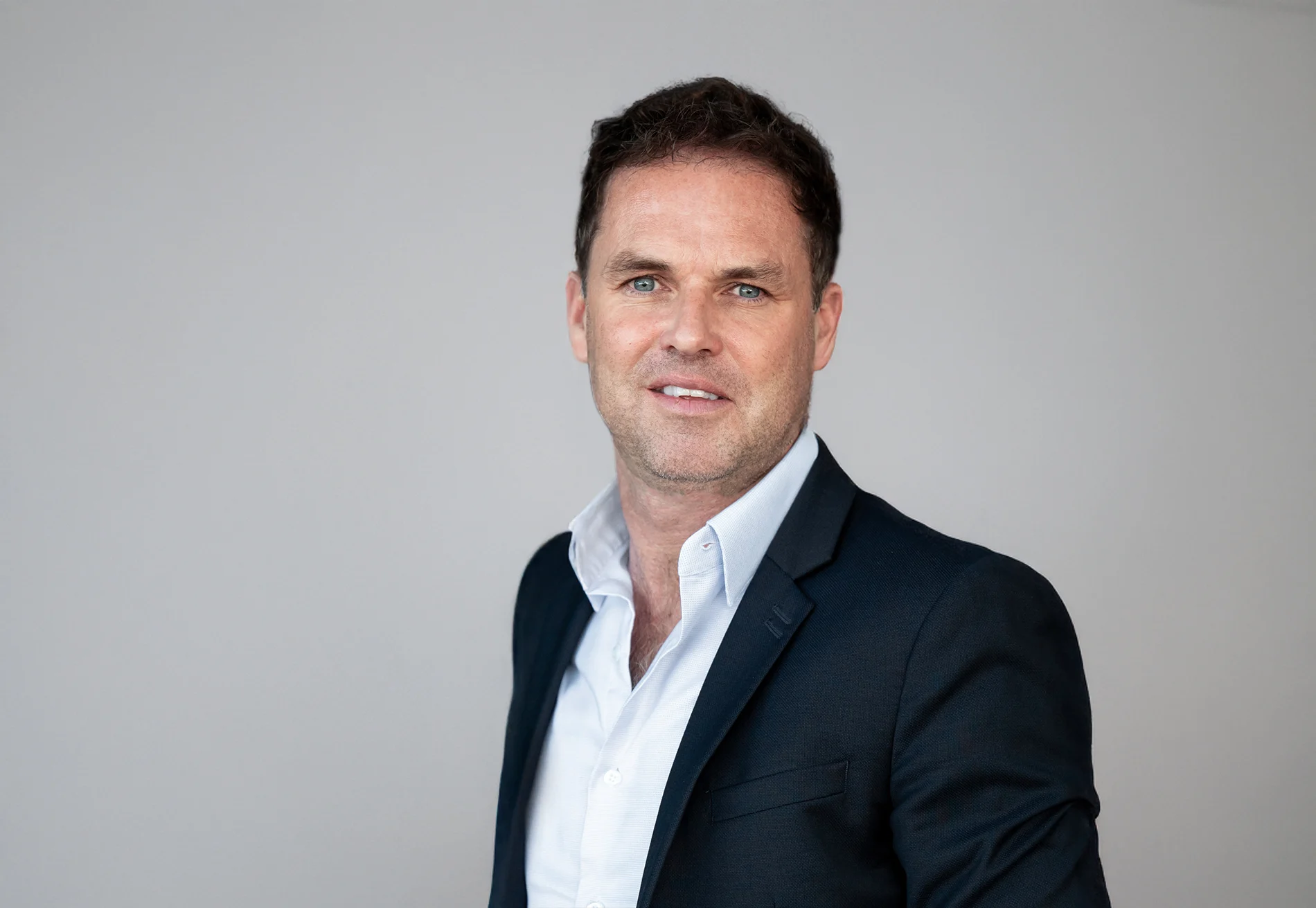
Steven Valentine, chief commercial officer at Comtrade Gaming, explains, "It is a cyclical process at an operator level. Operators will often use a third-party vendor, but after a while, they may feel the provider is potentially holding them back or not delivering what they want. So they decide, ‘maybe we should do this in-house.’" However, as staff and expertise leave the company, the aging technology may prompt a return to the market for better solutions. This cycle typically spans eight to 15 years, repeating itself frequently.
Scale plays a crucial role in this decision. According to Valentine, an operator generating less than £250 million in gross gaming revenue (GGR) annually is unlikely to consider building its own platform. Once an operator surpasses that threshold, developing proprietary technology starts to become a feasible option.
"Once you get to that size and scale, it can make sense to sit on your own technology, because you have the resources, but that has to be backed by a long-term commitment to it," Valentine states. The key consideration ultimately revolves around the effectiveness of their current technology in achieving business objectives.
The financial implications of building a platform, however, often surprise operators. Many underestimate the total costs, particularly maintenance and support expenses after launch. Valentine notes, "The anticipated budgets and timescales are often extremely optimistic. Building an iGaming platform is not like building a small piece of software; this is a huge enterprise-level piece of software," he emphasizes, explaining that the team required for building a platform is the same size needed for ongoing maintenance.
Transitioning to a tech-focused mindset poses an additional challenge. Valentine questions, "Are you prepared to effectively become a tech company?" Larger operators often prioritize immediate business needs over long-term technological planning, but he argues that they must adopt a wider perspective.
Valentine observes that few companies manage this transition smoothly, noting how even larger players often opt for a mixed approach by developing some aspects in-house while outsourcing others, particularly when entering new markets. This hybrid strategy allows operators to leverage third-party platforms for a faster market entry and better compliance with local regulations. "It can allow operators to de-risk their entrance into new markets," he explains.
Selecting the right vendor is critical. Valentine emphasizes the importance of conducting due diligence and reaching out to a vendor’s existing clients before making a decision. "This industry amazes me sometimes, because pretty much all the information is freely available," he remarks. The repercussions of a poor vendor choice can be substantial, limiting an operator's ability to execute its strategy effectively.
While vendors typically absorb most of the initial migration and setup costs, the upfront investment can be deceptively low. Valentine points out, "The cost of building could be at least five times, or perhaps much more than, what you would be paying a software vendor." He mentions an instance where the costs for a platform investment averaged £60 million annually for a prominent operator, while the expense with a vendor would likely be less than 20% of that amount.
On the other hand, proprietary technology can lead to competitive advantages in certain contexts. For instance, bet365 built its technology in-house, allowing it complete control over its offerings. Valentine asserts that developing new concepts can provide a crucial first-mover advantage. However, if a vendor becomes misaligned with an operator’s strategic goals over time, that control can be compromised.
From a vendor’s standpoint, the operating costs of casino platforms can be reduced through economies of scale, though some providers continue to struggle financially. Valentine mentions that Comtrade's cautious client selection contributes to its success, allowing the company to maintain profitability from the start.
With the shift in the industry's focus from exits to sustainable growth, operators must strike a balance between in-house development and partnering with third-party vendors. Building a platform offers more control, but if expectations aren’t met, the financial burden can become untenable.

