
As the World Cup has wrapped up, countless bettors who flocked to sportsbooks are now facing a dilemma: what to do next? Many arrived during the tournament as first-time depositors, engaged with the group matches, and tracked the knockout rounds. However, with the final behind them, they log into their betting apps only to find a landscape decorated with other sports mid-season, competitions unfamiliar to them, and formats that require a different kind of engagement. The enticing betting experience that captivated them seems to have disappeared along with the tournament.
The question of where these bettors go after the World Cup is particularly crucial for operators, especially given the forecasted total wagers for this tournament expected to exceed $50 billion—an increase from $35 billion in Qatar 2022. With this massive influx of new customers, sportsbooks invested heavily in acquisition costs, including bonuses and advertising. For these operators, profitability hinges on retaining bettors beyond their initial participation.
In examining post-tournament behavior, the UK Gambling Commission provided valuable insights from research conducted on World Cup bettors in the three months following the 2022 final. While this data is four years old, it serves as a crucial benchmark for operators.
Out of around 100 respondents who had not placed football bets in the year prior to the tournament, 70% continued to gamble three months later; however, less than half remained committed to sports betting specifically, with many shifting to other forms of gambling.
The data suggests that the enthusiasm these customers possess for betting persists beyond the tournament. This enthusiasm seeks a suitable outlet and will migrate to where it can find engagement, whether that’s with the operator that initially attracted them or elsewhere.
Retention strategies become central here; operators need to offer compelling content that resonates with these bettors rather than relying solely on traditional reactivation emails or free betting promotions. Research indicates that many sportsbooks fail to cater adequately to their new customers' preferences, which might lead them to seek out other options.
What do these bettors seek? Familiarity, speed, and consistent availability. They want content that stays true to the nature of the football they enjoyed rather than reorganizing the betting experience around fixtures they may not understand.
An illustrative example of this is Oddin.gg's Penalty Arena. This platform captures the excitement of one of football's most thrilling moments—penalty kicks—offering a continuous market where outcomes are resolved in just 90 seconds. Bettors can quickly decide on the direction of the kick and can enjoy immediate results without the complications of traditional match schedules.
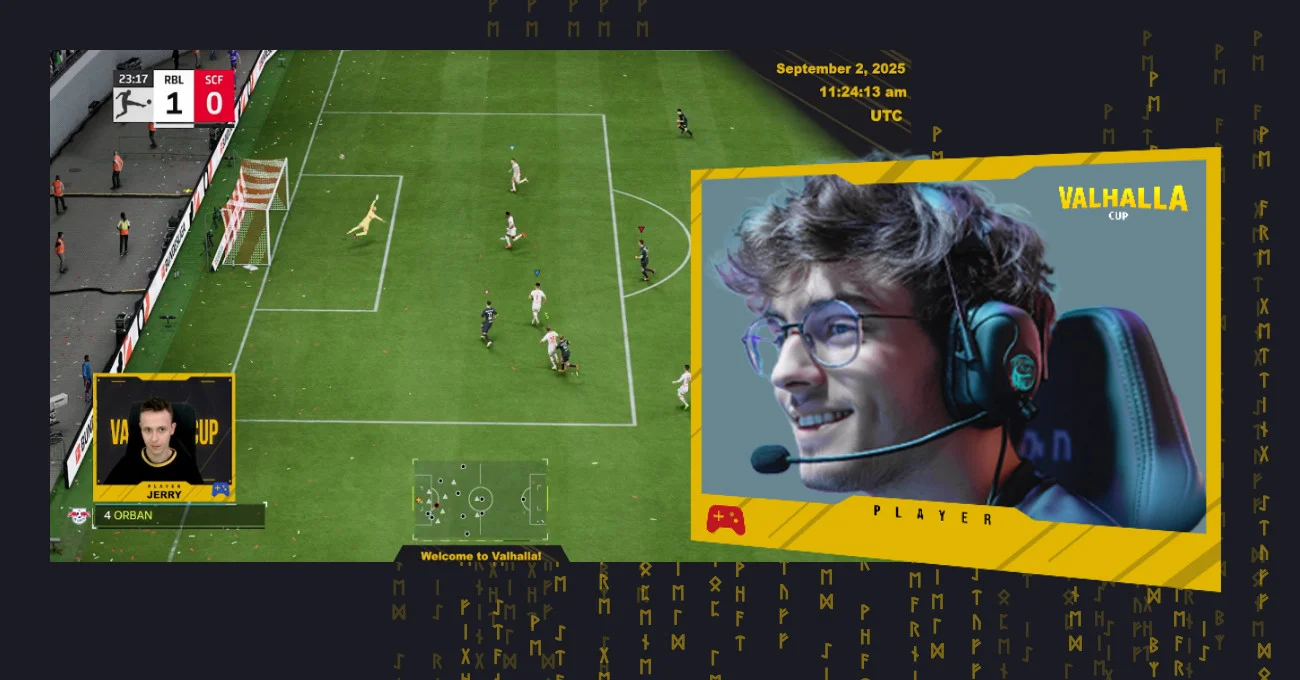
For those craving a fuller match experience, Oddin.gg’s eFootball presents fast electronic simulations of football games with new matches kicking off every few minutes, providing continuous, engaging content around the clock. This approach extends to a range of other sports too, including eBasketball and eCricket, keeping fans engaged even when traditional sports are inactive.
Esports further enhance the betting experience, with various titles hosting regular seasons and tournaments. The Esports World Cup, for example, features 25 tournaments across 24 titles within just seven weeks, ensuring there’s always something available for eager bettors. Studio formats like Oddin.gg’s Counter-Strike 2 Duels and Dota 2 Duels provide constant market engagement, stabilizing revenue for operators.
Moreover, the esports audience tends to skew towards Millennials and Gen Z, with minimal overlap with traditional sports fans, thereby diversifying revenue streams and sustaining engagement even after major sporting events like the World Cup conclude.
As sportsbooks navigate the post-World Cup environment, the research suggests that the majority of bettors will continue their engagement, but their future betting behavior will significantly depend on the offerings available to them moving forward. By providing a betting experience that mimics the excitement of the World Cup—with fast, familiar, and year-round accessible content—operators can capitalize on this record acquisition wave and potentially secure continued revenue well beyond the tournament.

