
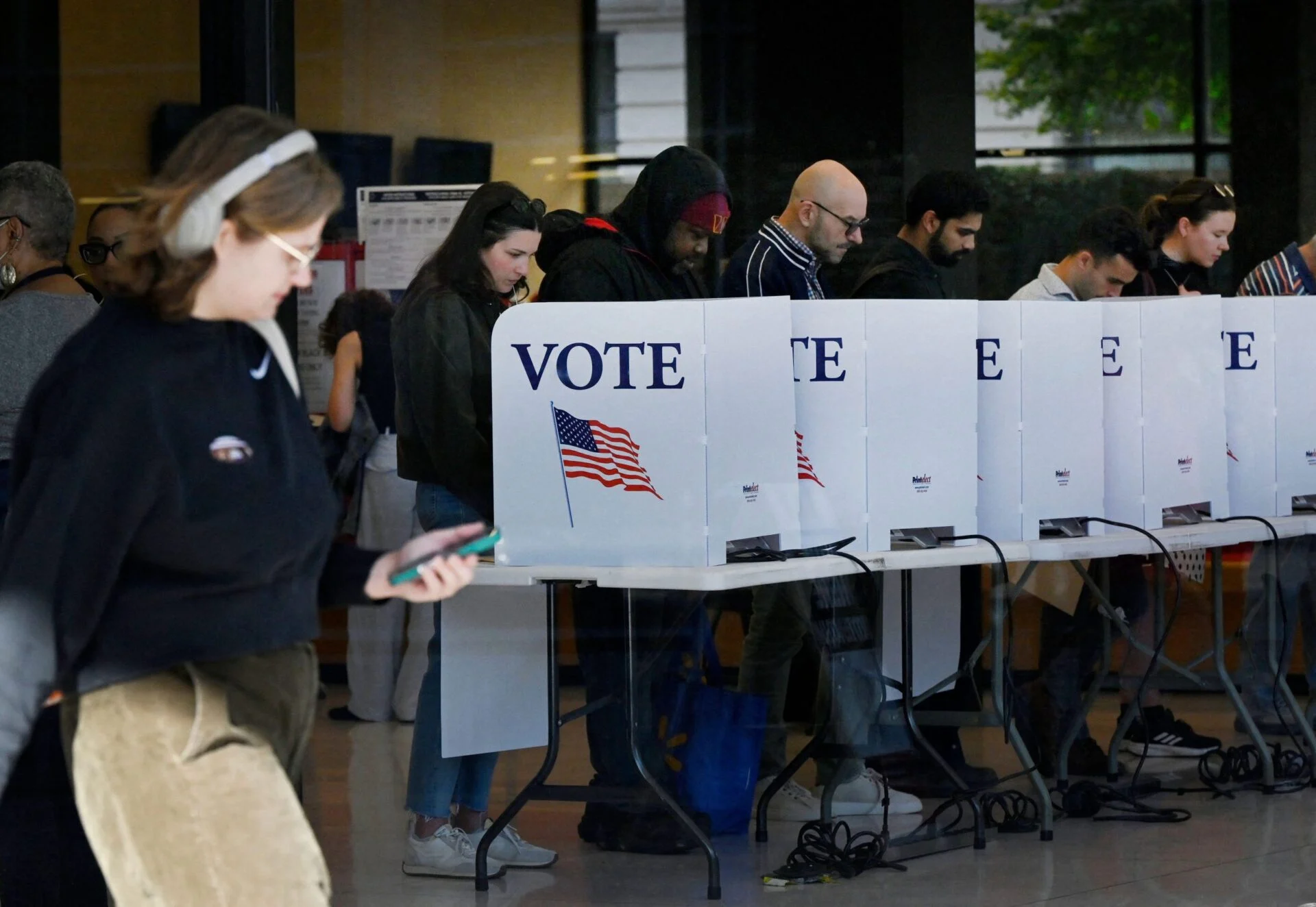
In the recent US midterm elections, the Democratic Party achieved significant victories, securing control over both the Senate and the House of Representatives. This shift in power is expected to complicate President Trump's agenda for the rest of his presidency.
Although the election outcomes are unlikely to lead to immediate changes in the national gambling landscape, the ongoing national dissatisfaction with Trump—reflected in his low approval ratings—could play a role in shaping future policies. Currently, the resolution of issues surrounding prediction markets, a highly debated topic in the gaming sector, is more likely to come from the Supreme Court rather than from new legislation.
Under the Trump administration, prediction markets received considerable support despite ongoing controversies and regulatory uncertainties, primarily due to the leniency shown by Commodity Futures Trading Commission (CFTC) Chair Michael Selig, who was appointed by Trump. Should the dissatisfaction with the current administration continue into the 2028 Presidential election, a future Democratic presidency could alter the trajectory of this emerging market.
The legislative power shift could also hinder Trump’s ability to nominate sympathetic Supreme Court justices if Justices Clarence Thomas or Samuel Alito retire. Florida Governor Ron DeSantis commented that the likelihood of confirming a suitable successor to these justices during Trump's remaining term is virtually nonexistent, complicating potential court rulings on the legality of sports-event contracts.
Several election results of relevance to the gaming industry were noted across the country. In Nevada, Democrat Aaron Ford won the governor's race, defeating Republican Joe Lombardo in a closely watched contest significant to the state's gambling sector. Lombardo, who had described the need to support the state’s gaming billionaires who provide employment, received substantial campaign contributions from various gaming interests, including $3 million from Station Casinos and $1 million from Las Vegas Sands. In contrast, Ford was backed by hospitality unions that represent casino workers.
In Ohio, Democrat Amy Acton triumphed over Republican Vivek Ramaswamy in the governor's race. Acton has expressed support for legalizing online casinos in Ohio, provided there are precautions for player safety and advertising. Currently, online sports betting and land-based casinos are legal, but online casinos remain prohibited. Ramaswamy had no clear stance on this issue, while his GOP predecessor, Mike DeWine, opposed iGaming legalization last year, citing concerns over market saturation. Given that the Republican Party controls the state legislature, Acton will need to foster bipartisan collaboration to advance iCasino legislation.
In Nebraska, gaming interests were focused on a ballot measure to legalize online wagering, which is projected to be rejected, with Measure 440 failing approximately 55% to 45% based on preliminary counting of over 95% of votes. A related Measure 441, which sought to enable oversight by the state regulator, appears to face a similar fate.
Virginia saw mixed outcomes for localized measures aimed at expanding physical wagering. The proposal for pari-mutuel wagering at satellite facilities in Pulaski failed with 56.46% against 43.54%. Conversely, a similar measure in Amherst County was narrowly leading, with results at 50.66% in favor compared to 49.34% opposed, pending final confirmation of votes.
In Indiana, results remain unofficial, but three counties have seemingly rejected propositions for potential casinos. Allen County, DeKalb County, and Steuben County each sought voter approval to apply for an inland casino license. Even if all three measures had succeeded, only one license would have been granted. According to early reports, Allen County is expected to reject the proposal with about 60% against, Steuben County with 59% against, and DeKalb County with 65% against. Local business groups had supported these initiatives as a means of economic growth, while critics raised concerns about the societal impact of gambling.

