
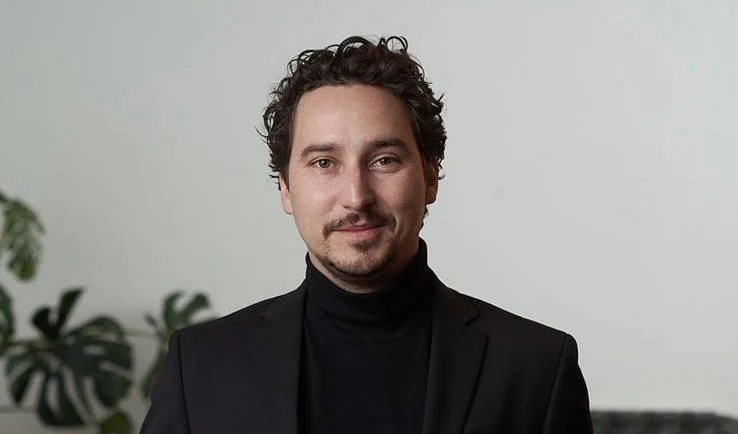
Niklas Sattler, a former executive at Casinos Austria, has been spearheading an initiative to shake up the country’s stagnant land-based casino sector for the past five years. Through his venture, Alea Trust, Sattler has gathered a team of seasoned casino executives and industry experts, forming a powerhouse aimed at challenging the dominance of Casinos Austria in the upcoming land-based casino license tender.
"This old-school image of the industry – I don’t like that," Sattler stated in an interview. "So I said, let’s refresh the industry and let’s jump inside the tender. Let’s do it ourselves."
Since 2021, he has successfully recruited over 40 former managers from Casinos Austria and other international gaming brands, who are now involved in laying the groundwork for a bid that could potentially revolutionize the land-based sector.
Sattler expressed concern about the current state of expertise within Casinos Austria, noting, "They’ve lost a lot of expertise over the years. Our idea was to find the top experts in AML, responsible gambling, finance, and casino operations and build a team that could compete at the very highest level."
With Austria gearing up for its first major casino tender in several years, Sattler believes that this might be the opportune moment to instill a fresh, socially conscious ethos in the industry. However, the potential structure and packaging of the proposed 13 casino licenses will ultimately influence whether he proceeds with his bid.
Casinos Austria (CASAG) has long been the unrivaled leader in the Austrian casino industry, operating under two sets of 15-year licenses which include six licenses in urban centers (the Stadtpaket) and six in tourist regions (the Landpaket). In June, Austria’s coalition government unveiled plans for significant gambling reforms that propose an opening of the online gaming market, thus ending the existing monopoly.
While the proposed changes generated considerable buzz, the implications for land-based gaming were less pronounced. The Finance Ministry announced plans for 13 new casino licenses that may be divided into "objectively justified" packages, as it aims to assess the location based on comprehensive studies of population density, tourism potential, and economic conditions.
“The applications are open to all market participants,” the ministry stated, which raises questions in Sattler’s mind about whether the tender will genuinely welcome new competitors or favor the incumbent operator.
Sattler advocates for a fairer approach: "Our idea is: let’s make 13 single licenses. That means you could apply for just one." He is skeptical, however, about the push from Casinos Austria to maintain the current package system, predicting they may propose one package of six and one of seven licenses. Sattler believes this will benefit larger corporations while excluding smaller, emerging operators from the market.
On the other hand, Casinos Austria argues that retaining packages is vital for ensuring a well-distributed presence of casinos, which will also mitigate aggressive marketing tactics and excessive gambling. Representative Patrick Minar stated, "Only a carefully designed package solution can guarantee all of this. Individual tenders would produce the opposite effect and encourage ‘cherry-picking.’"
The direction of the government’s decisions regarding the upcoming tender remains unclear. Although the mention of packages in legislation seems to indicate a leaning towards maintaining this system, legal expert Nicole Daniel from DLA Piper noted that the new provisions grant a stronger legal basis, yet may still favor incumbents depending on how location criteria are applied. She cautioned against potential pitfalls where the requirements could unduly burden new entrants.
Stadler Partner’s Arthur Stadler stressed the importance of a diligent approach by the forthcoming Austrian Gambling Authority in conducting the tender, emphasizing the need to avoid the mistakes of previous cycles. He suggested that past experiences foretell challenges, as the upcoming casino tenders may face multiple legal disputes and return to the Constitutional Court.
Regarding the management of the concession process, the bill allows for an extension of the six existing urban casino licenses set to expire in 2027, broadening its potential timeline up to 2030, depending on various factors. Daniel suggested that the one-year extension is likely justifiable, yet any additional extensions could significantly prolong the existing operators' tenure without new tenders, a point that may fuel legal challenges.
Despite being entrenched in the industry as a third-generation casino professional, Sattler believes the rejuvenation of land-based gaming in Austria is essential. He cited a societal shift that should be mirrored in casino operations: "Our vision is much more about giving something back to players and to the community. We take revenues, yes, obviously, but we have to do something for the regional community – investments or sponsorships – and work in the proper balance."
The debate continues over whether increased competition fosters a more socially responsible industry or if a less competitive landscape might better serve player interests. Sattler believes new operators could lift standards by holding each other accountable.
As Austria's gambling reform bill navigates the political landscape, its passage is anticipated by year’s end, with the concession process potentially commencing in early 2027. Yet, details regarding the tender evaluation methodology remain elusive. "The draft introduces detailed procedural rules, but it does not regulate the substantive evaluation methodology," Daniel noted.
Ultimately, Sattler's commitment to Alea Trust hinges on fair and transparent criteria in the bidding process. "We’re only going to enter the tender if the criteria are fair and safe and abide by European Union standards," he stated. "If it’s fair, then we go inside; if not, then we won’t."
The stakes are significant for Sattler, who recognizes that failure to participate could mean a missed opportunity for the next decade and jeopardize his vision cultivated over the past five years.

