
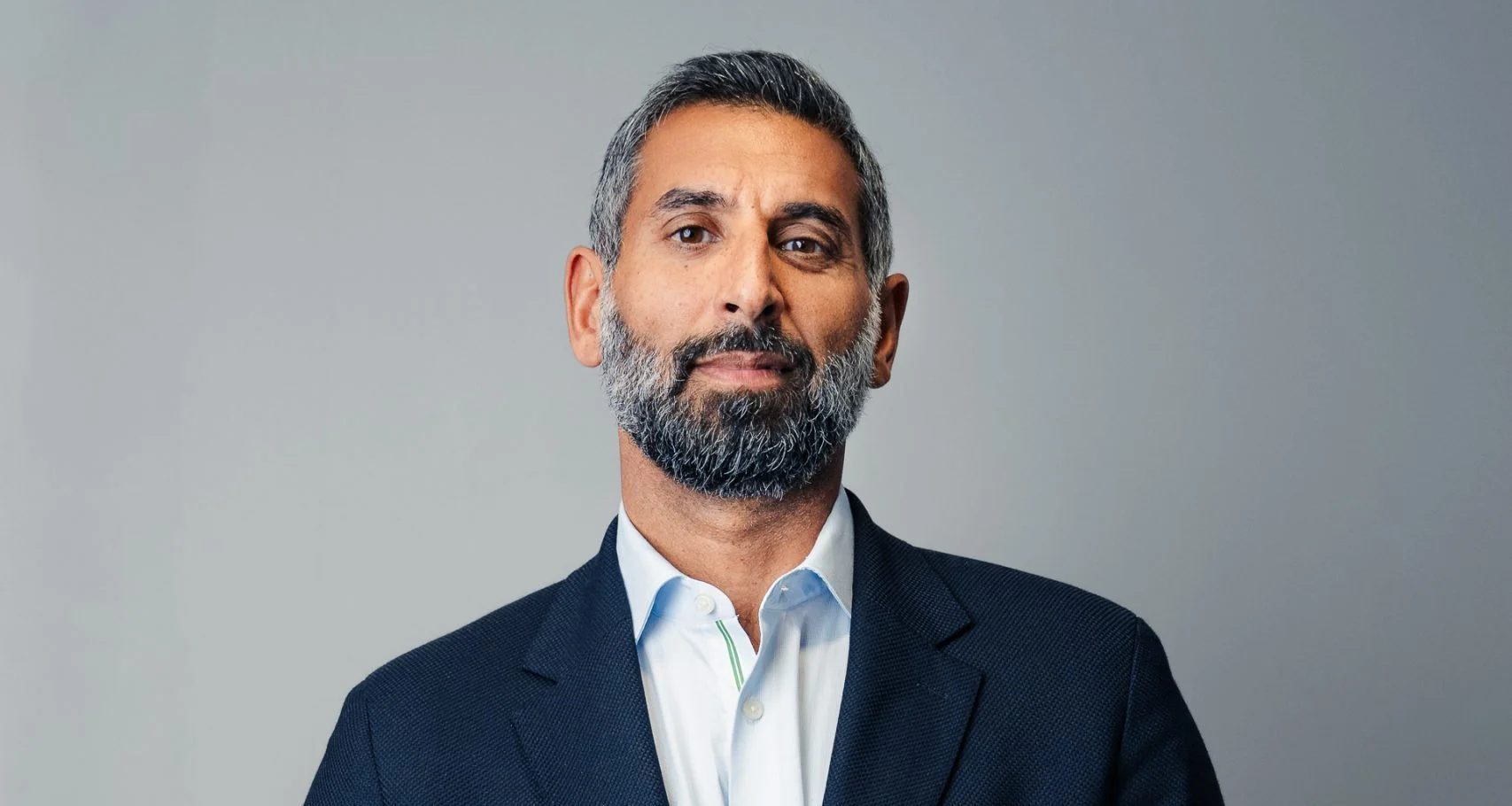
Khalid Ali, the chief executive officer of the International Betting Integrity Association (IBIA), asserts that the issues surrounding betting-related match-fixing are not isolated to Africa. The association highlights that criminals exploit similar vulnerabilities everywhere, including poor governance, financial instability, inadequate education on integrity issues, and insufficient reporting processes.
However, what distinguishes Africa is the rapid growth of its regulated betting market, along with the significant variation in regulatory maturity across different jurisdictions. This growth is detailed in the IBIA's forthcoming 2025 Sports Betting Integrity Report, which incorporates analysis from H2 Gambling Capital. Projections indicate that Africa's gross gambling revenue from betting is expected to rise from $3.5 billion in 2021 to a staggering $19.4 billion by 2030. Online betting is anticipated to be the primary driver of this growth, expected to reach $16.4 billion, with around $13 billion, or 79%, generated from onshore operations.
Ali notes that this trajectory offers both opportunities and challenges. "That growth presents an opportunity as much as a challenge," he states. He emphasizes that digital, account-based betting can provide valuable insights that operators can utilize to identify suspicious activities before they escalate.
Football remains the leading betting product, and Ali points out that approximately 90% of the alerts related to football globally involve customer accounts located outside the jurisdictions of the respective sporting events. "This underlines why integrity threats cannot be addressed solely at the national level," he explains, advocating for a strategy that merges global oversight with local collaboration. Such a strategy enables quick sharing of suspicious betting patterns identified across various operators and regions with relevant authorities.
When discussing the alert statistics, Ali cautions against misinterpreting the figures. He explains, "It is impossible, and potentially misleading, to conclude that more alerts automatically mean more match-fixing." Between 2021 and 2025, the IBIA reported a total of 117 alerts pertaining to African sporting events, including 31 in 2025 alone. This accounted for about 10% of all global alerts that year. In the first half of 2026, 17 alerts were recorded, which Ali believes reflects continuity rather than a dramatic increase. He attributes the rise in alert numbers to several factors, including the growth in betting activity, more Africa-focused operators joining international integrity monitoring networks, and the improved account-level data generated by regulated online betting.
He further stresses that alerts should be considered intelligence outputs requiring further investigation, rather than definitive proof of manipulation. "In many cases, increased alert numbers demonstrate that integrity systems are becoming more effective. The real measure is whether suspicious activity is identified quickly, shared with the appropriate authorities, and investigated effectively."
Most alerts were generated by football and tennis, which Ali interprets as a reflection of effective monitoring rather than an indication of where problems are concentrated. "It is more accurate to say that the data shows where suspicious activity is being detected rather than where manipulation is definitively concentrated," he clarifies. He explains that football dominates betting across Africa due to high demand, while tennis features high liquidity globally across numerous events.
Interestingly, the analysis shows that betting linked to alerted matches often occurs outside the country where the events take place. Ali notes, "Betting integrity is also increasingly international" and mentions that alerts related to African events might involve betting activities from Europe, Asia, or other regions. This context underscores the importance of global monitoring. By combining insights from various jurisdictions, IBIA can identify cross-border betting patterns that might be challenging to detect through isolated national monitoring.
In response to integrity concerns, some African sports federations have sought to restrict betting on domestic competitions. Ali acknowledges the rationale but questions whether such restrictions genuinely mitigate betting activities or merely shift them to less regulated markets. "The question is whether restricting regulated betting removes that activity or simply pushes it towards poorly regulated or unregulated markets where there is little or no transparency," he states, noting that licensed operators possess better customer monitoring capabilities and reporting processes compared to unregulated markets.
Ali believes that the best outcomes for integrity stem from well-regulated, competitive markets that maximize visibility and facilitate the detection and analysis of suspicious activities. "Regulated betting should, therefore, be viewed as part of the integrity solution rather than the problem," he argues, emphasizing the need for effective monitoring and international information sharing to safeguard both sports and consumers.
As for the investigation process, Ali emphasizes that alerts signify the beginning of inquiries, not their conclusion. "IBIA can identify suspicious betting activity using account-level intelligence supplied by its members, but successful outcomes depend on the wider integrity ecosystem," he states. This system includes regulators, law enforcement agencies, and sports governing bodies, all of whom must possess the legal authority, investigative ability, and cooperative frameworks necessary to act on the intelligence.
He cautions that the international nature of betting complicates matters, as alerts may involve customer accounts, operators, and evidence spanning multiple jurisdictions, requiring extensive cooperation and information sharing across borders.
To bridge the gap, Ali suggests strengthening legal frameworks, enhancing cross-border sharing of information, and investing in specialized investigative resources. "Technology has significantly improved our ability to identify suspicious betting activity; the next step is ensuring that investigative and enforcement processes evolve at the same pace," he adds.
Ali is optimistic about the future, as the IBIA's collaboration with the African iGaming Alliance has established a structured approach to engaging regulators, operators, and policymakers across more than twenty African jurisdictions. He advocates for the integration of integrity measures into licensing frameworks throughout the continent, stating, "Looking ahead, we would like to see sports betting integrity become a formal component of licensing and regulatory frameworks across the continent."
He points to Ontario and Alberta as models for best practices in requiring licensed operators to engage in formal integrity monitoring frameworks with clear reporting obligations. With Africa's regulated markets still in development, he believes this is a prime opportunity to incorporate integrity measures from the ground up, ultimately fostering greater confidence in both sports and regulated betting for the future.

