
A new report from Spelinspektionen, Sweden's gambling regulator, reveals that influencers play a significant role in advertising unlicensed online gambling services to consumers, particularly in spaces favored by younger audiences. This trend raises serious concerns regarding consumer protection and compliance with regulations.
Released on Monday, the report outlines various platforms and marketing tactics utilized by illegal gambling operators. These methods include affiliate link networks, livestreaming services, sponsorship deals, and social media platforms.
The regulator pinpointed affiliate marketing networks and 'link farms' as primary means through which influencers promote unlawful gambling websites. Many of these affiliates operate temporarily, attracting significant traffic from Swedish IP addresses before vanishing and reemerging under new domain names.
Some affiliates set up Swedish (.se) domains that redirect users to English-language gambling sites. This tactic obscures the operators' jurisdictions while still targeting Swedish players. Similarly, livestreaming platforms such as Twitch and Kick have been sites where influencers share affiliate links and promotional codes for unlicensed operators, utilizing features like leaderboards and giveaways to attract attention.
Despite Twitch banning numerous unlicensed sites, Kick has emerged as an alternative, allowing influencers removed from Twitch to continue their promotions. Although enforcement actions have curtailed some influencer marketing of illegal gambling, a number of influencers have redirected their efforts to reach international audiences or shifted to different platforms.
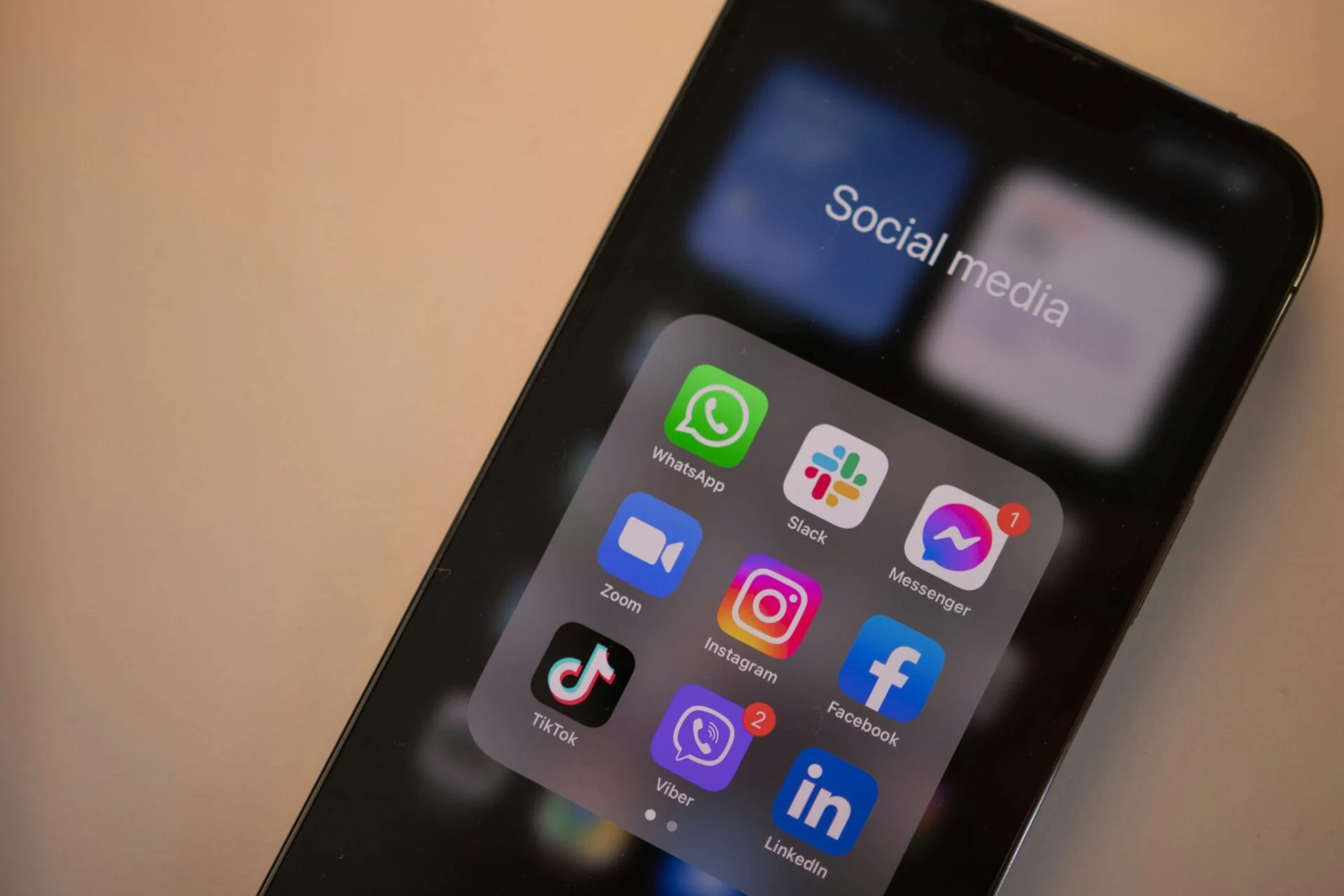
Social media companies like Meta, TikTok, Snapchat, and X have also been found to disseminate affiliate links, sponsored content, and undisclosed promotions. Influencer accounts transitioning from English to Swedish-language content, along with deepfakes featuring Swedish public figures endorsing ads, heightened the alarm.
The regulator noted instances of unlicensed casino advertisements appearing on Swedish websites, some of which are placed behind paywalls or displayed only at specific times. Spelinspektionen cautioned that programmatic advertising and AI tools could enable advertisers to bypass publisher blacklists and conceal their campaign intentions.
Reports of SMS campaigns promoting unlicensed gambling have often been received through the regulator’s tip line, notably targeting individuals who have self-excluded using the Spelpaus program.
Starting August 1, new regulations will tighten technical requirements for the Spelpaus program, introducing marketing-related checks, stricter verifications, and unique identifiers for license holders. This year, the register was also updated to improve access to guidance for gambling issues, including a feature allowing players to extend their self-exclusion period.
The report highlights how encrypted messaging services like Telegram have been used to share affiliate links and organize giveaways. Esports were identified as a particularly lucrative area, as sponsors of skin-betting and crypto-casinos have actively engaged young audiences, especially following the sponsorship of significant tournaments that spiked visits to skin-betting sites.
In 2025, Spelinspektionen initiated several investigations related to influencer promotions and online ads, noting that offending promotions usually ceased after enforcement action. Influencers are targeted by the regulator due to their extensive reach among younger demographics.
The forthcoming EU Digital Fairness Act (DFA), expected to be implemented later this year, might impose stricter regulations on targeted advertising, which could significantly alter gambling marketing strategies, especially regarding influencer promotions.
Promoting gambling without a license is considered an offense under Sweden’s Gambling Act. The report also references a criminal case from March 2026, where an influencer received a 22-month prison sentence for economic crimes linked to illegal gambling promotion. This incident marked the first known online gambling promotion conviction in Sweden.
The role of influencers in the conversation about black market gambling advertising continues to be contentious across Europe. Earlier this year, a coalition of UK lawmakers called on the government to reform gambling advertising, particularly emphasizing restrictions on influencers.

