
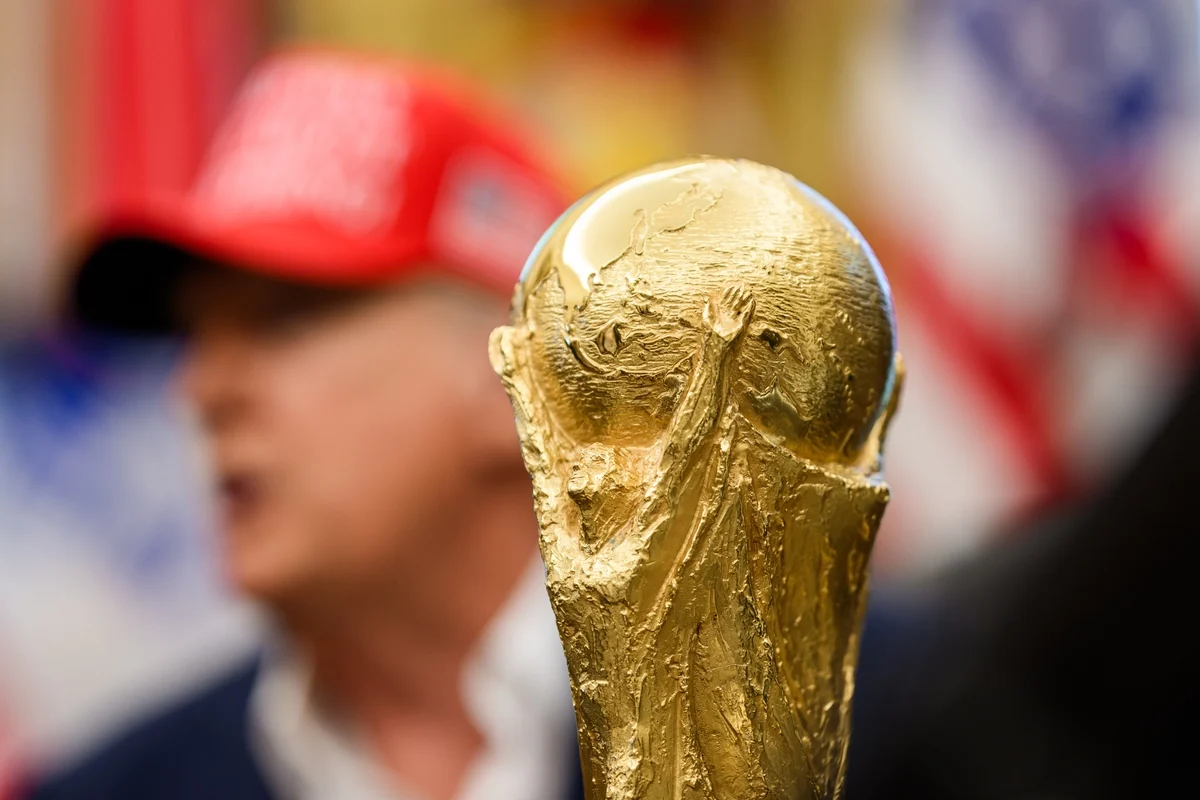
In the two months following Rodri's lift of the FIFA World Cup trophy, sportsbooks have been analyzing insights gained from the tournament, which captivated audiences from start to finish. As domestic football leagues across Europe resume, the focus shifts; yet the lessons learned during the 39-day event will shape operators' strategies for the foreseeable future.
While pre-tournament estimates suggested an average of $500 million would be wagered worldwide on each match, the precise figures remain unverifiable. However, it's clear that the 48-team, 104-game event marked a milestone in sports betting, emerging as the largest such occurrence in history.
Data from WSF Odds, a provider specializing in live and pre-match football odds, presents a comprehensive overview of the betting landscape during the World Cup. In the eight months leading up to the tournament, from October 2025 to May 2026, WSF Odds recorded a turnover of €389 million and €61.4 million in gross gaming revenue (GGR). However, in June and July, the figures soared to €163.8 million in turnover and €27.1 million in GGR, with average monthly turnover increasing by approximately 68% and average monthly GGR by around 76% when compared to the preceding months. Additionally, the overall margin improved from 15.8% to 16.5%. The implications of this data extend far beyond these headline figures.
WSF Odds has established its operations in over 30 countries, spanning Europe, the Americas, Africa, the Middle East, Asia, and Oceania, with a diverse range of markets covering 99 football competitions globally. Aggregated data from a wide array of operators, including partners like Betclic, Betsson, and Tipsport, provides WSF Odds with an extensive dataset to analyze how markets related to players, teams, matches, and goalscorers fared during the World Cup.
Throughout the tournament, traditional betting markets remained robust. Goalscorer markets, for instance, maintained their significance, with their share increasing from 28.8% of WSF Odds’ turnover before the tournament to 29.4% during the event. Filippo Celleno, product owner at WSF Odds, emphasized, "The important point for us is that demand for goalscorer betting remained strong while the category itself became broader."
WSF's goalscorer offerings now encompass 42 different markets, showcasing various betting options on player performance, such as the type of goal, the moment it occurs, and its importance to the match outcome.
Also notable was the heightened interest in player props, reflecting a trend that has emerged across other major sporting events like UEFA Euro 2024. Before the World Cup, player props contributed 10.4% of WSF Odds' turnover and 15.4% of GGR; these figures swelled to 14.2% and 20.9% respectively during June and July, with margins remaining healthy at 24.3% compared to 23.5% prior to the tournament.
While individual player markets gained traction, team and match-related markets still generated the highest activity, making up about 44% of turnover and 36% of GGR during the World Cup.
The dynamics of knockout tournaments inherently create unpredictability, enhancing the allure of performance markets, according to Sam Hill, sales director at WSF Odds. "Knockout football is difficult to predict by definition. Two strong teams can be evenly matched, and a single goal or pivotal moment can change everything."
"However, that doesn’t mean bettors lack opinions regarding the match. They may anticipate one side producing more shots, or a striker having numerous attempts on target," Hill explained. Performance markets thus provide bettors with alternative angles to assess the game, allowing them to engage with the match beyond just final scores, thereby fostering greater involvement.
The World Cup highlighted the increasing preference for betting on a variety of performance metrics. Celleno noted the positive synergy between core markets and emerging products. "Goalscorer remains central, while player props, team and match markets, and new offerings like Combo markets provide better avenues for engaging with different betting behaviors within a single match," he remarked.
Combo markets, launched shortly before the tournament, were tested significantly during the World Cup, yielding approximately €20.3 million in turnover and over €5 million in GGR. This represented around 12% of total turnover and 19% of GGR in that period, indicating that customers were inclined to combine multiple expectations for a match experience.
Casual bettors were also drawn in by the tournament's star players, according to a study by Optimove. The research noted a staggering 171% increase in deposits from first-time bettors in the U.S., 200% in the European Union, and an impressive 300% in Latin America during the group stage. This unparalleled surge provided sportsbooks with a chance to retain these new bettors well into late 2026 and beyond, introducing them to a wider array of markets.
"Throughout the tournament, casual fans are repeatedly exposed to the same players, seeing familiar names discussed across various platforms," Hill said. This familiarity could encourage viewers to continue tracking their favorite players and teams as club football resumes.
Translating this familiarity into sustained engagement, however, requires sportsbooks to simplify access to relevant markets. Hill underscored that whether for new or returning bettors, navigating lengthy menus to find player-specific betting options should be streamlined. “If someone has a notion of betting on match outcomes but gains insights on the players involved, they’ll be more inclined to add player selections to their bets,” he noted.
Overall, the World Cup demonstrated a clear readiness among bettors to engage with more than just the outcome of matches. Celleno concluded by emphasizing the importance of observing whether this behavior persists as the tournament fades into memory. "We aim to compare the domestic season's initial phase with both the World Cup period and the preceding months. Our focus will be on whether player props maintain a significant turnover and GGR share, or if the mix shifts back to previous patterns. This will give us better insight into whether the World Cup fostered a temporary spike in engagement or if bettors adopted these habits for club football as well."

