
Macau's tourism landscape is undergoing a significant transformation as the region strives to establish itself as a global destination that is less reliant on gaming. With the recent cessation of Covid restrictions and the decline of the pre-pandemic junket system, a complex situation has emerged. On one hand, Macau's six gaming concessionaires assert their commitment to diversifying the tourism sector, yet they often prioritize high-end gaming, sometimes neglecting other visitor segments.
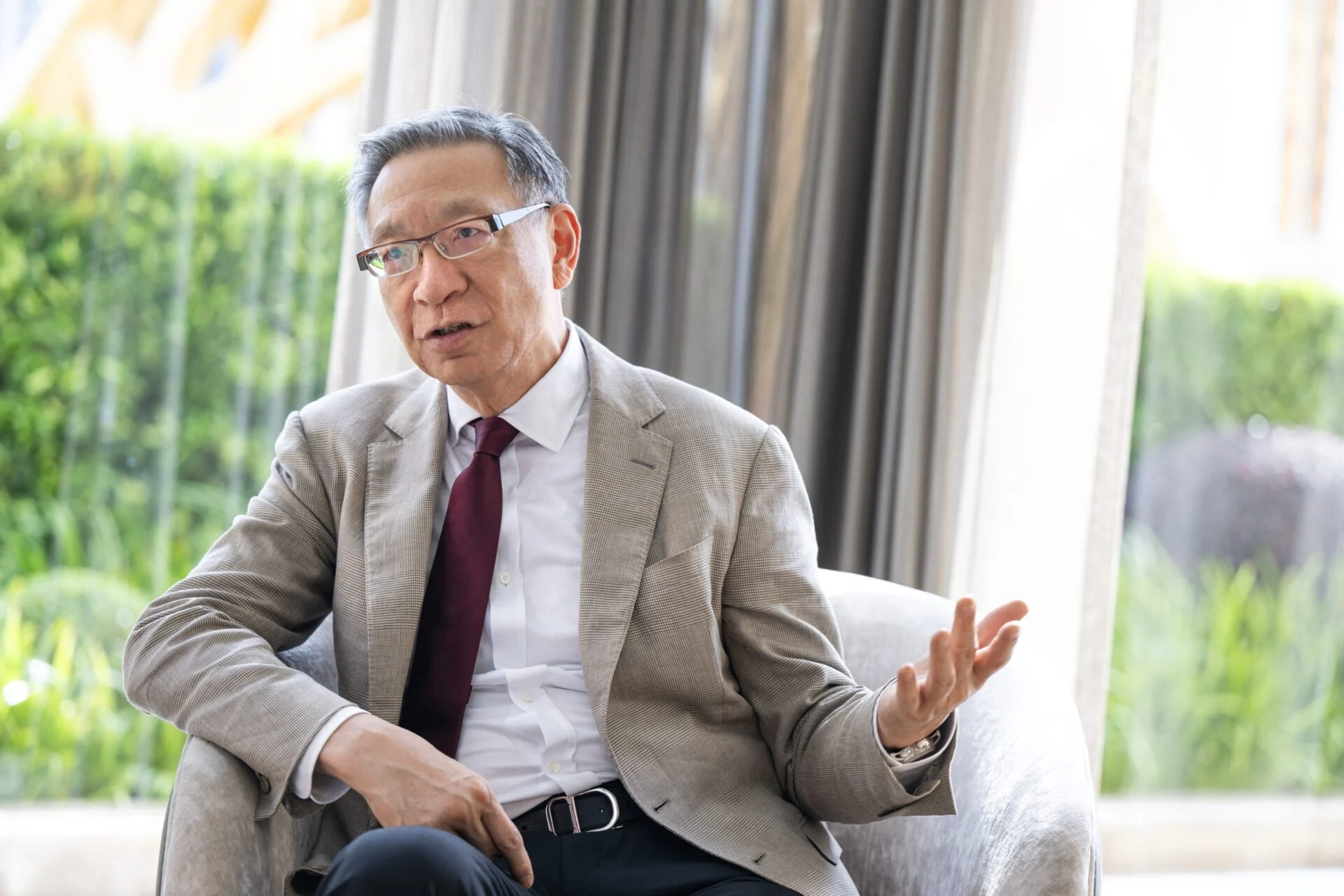
Francis Lui, chairman of Galaxy Entertainment Group, advocates for what he terms a "parallel strategy." This approach aims to develop premium gaming and non-gaming amenities simultaneously, catering to different audiences. In an exclusive interview, Lui stated, "The vision in Macau is that it has to be sustainable, and you don’t want to bet on just pure gaming." He believes that Macau’s unique position as the only region in China with legal casinos comes with a responsibility to align with governmental objectives.
Lui interprets the government's message to the casino industry as a call for evolution in business practices while simultaneously emphasizing social responsibility and economic contribution.
The launch of Galaxy Macau Phase 3 is, in Lui’s view, a clear manifestation of this vision. "We sensed it a few years back, and we decided that Phase 3 is going to match that vision. We did something that everybody could be proud of," he remarked. The development includes the Galaxy International Convention Center and Galaxy Arena, which opened in 2023, boasting a combined 10,000 square meters (over 107,000 square feet) of pillar-free event space equipped with cutting-edge technology. The Galaxy Arena, with a seating capacity of 16,000, is the largest indoor venue in Macau.
In addition to the convention center, Galaxy has introduced two luxury hotels, Raffles and Capella, reflecting changes in customer demands for more diverse and experiential offerings. "We also felt the customer base has now changed to a more multi-experiential demand," Lui explained, noting that these hotels include exclusive gaming areas and high-end non-gaming amenities such as upscale dining, spas, and entertainment facilities.
Lui indicated that the business model is evolving away from the previous VIP-centric focus towards a more sustainable model, even as profit levels remain stable. "We are still keeping our profit more or less the same as we were making. In the meantime, we are supporting the vision of the government. I still feel this is the right model," he pointed out.
Galaxy Macau now features 5,000 guest rooms across nine brands, a wide array of dining options, a vast gaming floor, and other attractions, routinely competing for the top rank in Macau's gaming revenue. In the previous year, Galaxy’s group EBITDA reached over US$1.8 billion, indicative of its strong market presence.
The company's expansion plans continue with Phase 4, set to debut next year, promising more luxury hotel brands, a 5,000-seat theater, and enhanced retail. Lui anticipates that the total investment in Galaxy Macau will reach HK$100 billion (approximately US$12.75 billion). He acknowledges the importance of adapting to the evolving market, having adjusted the number of hotel rooms planned for Phase 4 from 2,500 to 1,500 to better meet demand for premium offerings.
While such changes could conflict with the government's ambition to bolster Macau as a tourism hub, Lui maintains that a dual approach is essential. He emphasizes the need for a parallel strategy that addresses both premium clientele and family-oriented travelers, suggesting potential developments in the nearby Hengqin, a special economic zone with lower costs for expansion.
Despite losing an option on land in Hengqin intended for a seaside resort, Lui remains optimistic about the area. "We should take a look at Hengqin… You want to hold on to them," he remarked, underlining the significance of providing attractive accommodations to foster longer stays.
Lui’s vision extends beyond immediate developments in Macau, as he actively explores opportunities in Japan and Thailand, with particular interest in the UAE market for integrated resorts. However, he underscores Macau's central role in Galaxy's strategy.
"We believe in the China story. We believe in the Macau story. And this is why we don’t have any hesitation in investing in Macau long term," Lui affirmed during the interview.
In December 2024, Francis Lui succeeded as chairman of Galaxy Entertainment Group after the death of his father, founder Lui Che Woo. He views his leadership role as a strategic responsibility, particularly amid current global uncertainties.
Ownership remains with the Lui family, which controls a 54% stake in the company. Francis believes that effective management involves enlisting the right talent regardless of familial ties. His approach encourages independence among his children, promoting an environment in which they can carve their own paths.
Looking ahead, Lui confirms his commitment to Galaxy and Macau's future, stating, "My passion for Galaxy remains as strong as ever. I remain energized by the opportunities ahead and the chance to continue contributing to Galaxy’s growth and Macau’s future."

