
Polymarket has taken a significant step by withdrawing its self-certification to offer betting markets on NFL player availability, following a request from the Commodity Futures Trading Commission (CFTC). The regulatory body deemed these markets incompatible with its policy prohibiting trading on player injuries. In contrast, Kalshi continues to offer similar betting options.
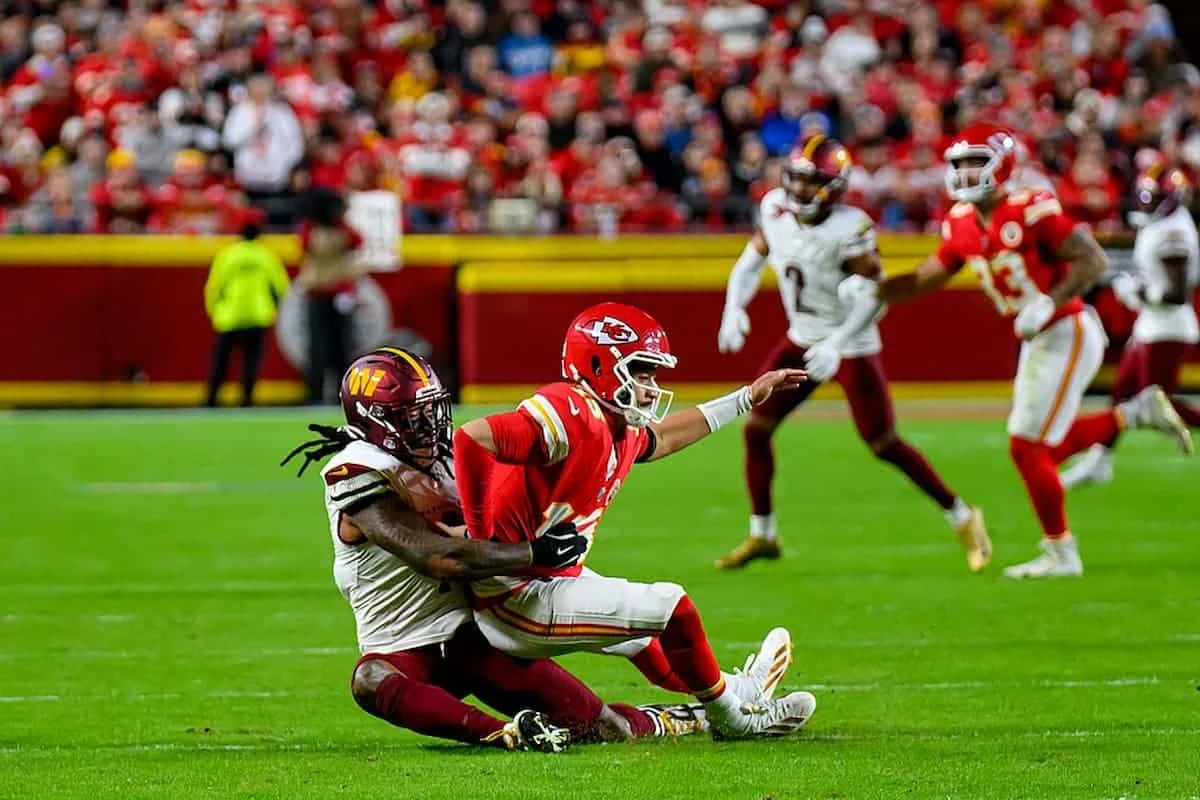
Polymarket had initially submitted its self-certification last Tuesday, which would have allowed betting on questions like, "Will {participant} participate in {event}?" The focus was initially on Patrick Mahomes' status for Week 1 of the NFL season. Following his recovery from an ACL injury, Mahomes is likely to play, and Kalshi’s market reflects this with a 94% probability that he will participate.
This intervention from the CFTC marks a rare instance where the agency has opposed a prediction market operator's self-certifications. The CFTC has faced criticism for permitting a broad range of sports betting markets, including player props and parlay bets.
The CFTC had previously intervened against Kalshi's offering of prediction markets related to commentary by sports analysts during live broadcasts. Although Kalshi no longer provides those markets, it continues to operate in other categories, such as predicting topics during Donald Trump’s speeches.
Kalshi first self-certified its “Will [athlete] compete in [event]?” format in February and currently runs markets centered on players participating in the inaugural week of the NFL season, focusing on those, like Mahomes, with injury histories. The platform also includes markets anticipating the return of injured players, like Malik Nabers, and even extends to other sports, such as forecasting when Carlos Alcaraz will resume play in tennis.
Although these markets maintain low liquidity levels, gaming attorney Peter Hammon labeled them as potential hedging tools for sponsors and media rights holders.
The CFTC has stated that markets directly tied to player injuries conflict with public interests, warning that they could foster harmful financial incentives that might encourage physical harm to athletes. Kalshi’s offerings do not directly reference injuries and do not include markets betting on whether a player will sustain an injury during a game. However, these markets do emerge in search results when the term “injury” is used.
Concerns over insider trading have also been raised, as the markets might attract privileged information being used for trading outcomes or shared with bettors. Kalshi enforces rules prohibiting team and league personnel, along with their immediate families, from trading on these contracts. Furthermore, individuals holding any material, non-public information regarding the underlying athlete are barred from participation.
While sportsbooks typically do not offer these sorts of markets, creative bettors have found ways around restrictions. Allegations surfaced involving player Terry Rozier, who supposedly informed gamblers about intentionally feigning an injury to exit a game early, allowing them to profit from wagers on his performance. Rozier has denied these claims.
Similar controversies occurred when insiders shared key player status updates ahead of NBA games, allowing gamblers to place bets before public announcements could alter the lines. Kalshi's betting markets present a more direct means of wagering on an athlete’s participation status. As of now, there is no response from Kalshi regarding whether it plans to indefinitely continue its market offerings.

