
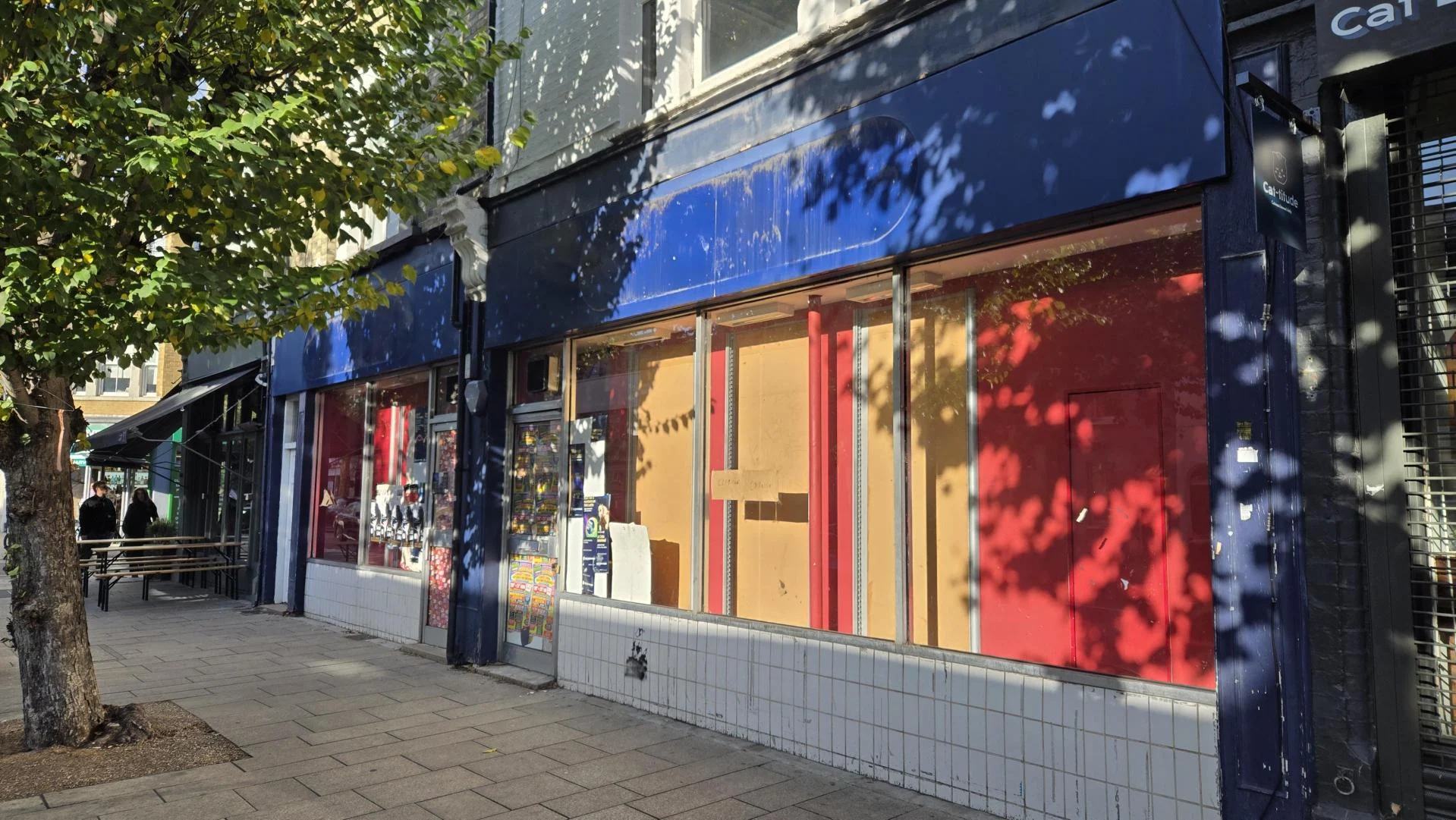
Prime Minister Andy Burnham’s government has pinpointed the issue of the high street as a crucial political matter in the UK. Amid widespread sentiments of decline surrounding these local shopping areas, the government has launched a series of rhetorical and policy initiatives aimed at revitalizing them.
Historically overlooked by prior administrations and affected severely by rising costs, the COVID-19 pandemic, and the rise of online shopping, the circumstances of Britain’s high streets resonate with the public.
Revitalizing these areas aligns with the interests of many residents, as they directly or indirectly provide employment for numerous working-class Britons—a key demographic for Burnham’s localized, essentials-first political strategy.
However, the narrative surrounding high street businesses is not uniform. Within this storyline, gambling establishments have emerged as the antagonist. In August, Burnham faced backlash from the gambling sector for categorizing betting shops alongside disreputable vape outlets, labeling both as "dodgy businesses" and announcing that local councils would receive enhanced powers to refuse gambling licenses.
This approach is not unprecedented. Last year, former Chancellor Rachel Reeves justified a near-doubling of the remote gaming tax by correlating it to gambling-related harms. Critics within the industry argued that if the intent was genuinely to mitigate harm, the revenue should be redirected towards harm reduction initiatives, which it was not.
The budget announcement on October 28 revealed a strategic shift, where the government opted to cut business rates for high-street businesses, financed by a tax increase on gaming machines. Chancellor John Healey confirmed that by raising the threshold for business rates, additional businesses would be exempt, while others would see their rates frozen.
“To pay for this support for our high streets, I am raising taxes on gambling,” Healey noted, highlighting that Adult Gaming Centres, along with vape shops, would not benefit from the business rate relief. He reiterated his commitment to raising gambling taxes as a measure to foster positive growth in local high streets.
The decision was lauded by allies and advocates for reform. MP Alex Ballinger, known for his anti-gambling stance, expressed his approval on social media, asserting that bolstering high streets should prioritize local businesses instead of catering to the gambling industry. Similarly, Dawn Butler, an outspoken campaigner against gambling harms, praised the funding model that utilized taxes on gambling to support high street initiatives, declaring, “We’re taxing harm to help good business.”
A notable contrast is evident in the government's rhetoric regarding the gambling tax hike compared to a ‘temporary’ rise in banking levies discussed in the budget, which aims to provide relief for energy bills. In his announcement, Healey appreciated the banking sector's contributions to the UK economy, appealing to banks for their cooperation in aiding the public.
In stark contrast, gambling industry remarks lacked similar courtesy. This disparity reinforces a disappointing aspect of the government's position: it treats the sector as a financial resource to exploit, viewing it as a burden rather than acknowledging its contributions to high streets.
While it's understandable that revitalizing the high street, a commendable goal, necessitates funding, the gambling sector serves as a convenient target, particularly given its concentration in economically strained areas, drawing criticism from various demographics. There is a valid premise for the gambling industry to contribute to community welfare due to the social costs of gambling.
I share the view that operators should contribute to the high street's rejuvenation through increased taxes. Opportunities exist for the sector to see this as a point of pride and a means to regain public trust amidst growing skepticism.
Nevertheless, this latest tax increase further alienates the gambling sector from a cooperative approach. The government's focus on treating gambling merely as a means to support other businesses dismisses the genuine value it offers to high streets, including its potential to enhance overall spending patterns.
Dull storefronts and lackluster interiors contribute to the challenges facing many high streets, yet an increase in gaming duties can reduce incentives for businesses to improve their establishments, leading to a detrimental cycle.
The semantics surrounding tax increases are significant; framing gambling as a vice undermines the industry's portrayal and paves the way for subsequent tax hikes, which could result in more high street closures and job losses.
Thus, the government's dismissive attitude towards the gambling sector and the lack of appreciation may be more troubling than the tax increase itself. While the impending rise in the MGD has been anticipated due to extensive media coverage, analysts suggest the potential negative impacts can be managed by companies.
However, the current government narrative leaves operators uncertain about future taxation, with some Labour MPs advocating for an elevated tax rate of 40%. The ambiguity surrounding the UK’s long-term regulatory environmental factors significantly hampers investment prospects and strategic planning for businesses in the sector.
Burnham and Healey's perception of the gambling industry threatens to inflict economic harm that not only affects the operators but ultimately their vision of rejuvenating the high street.

