
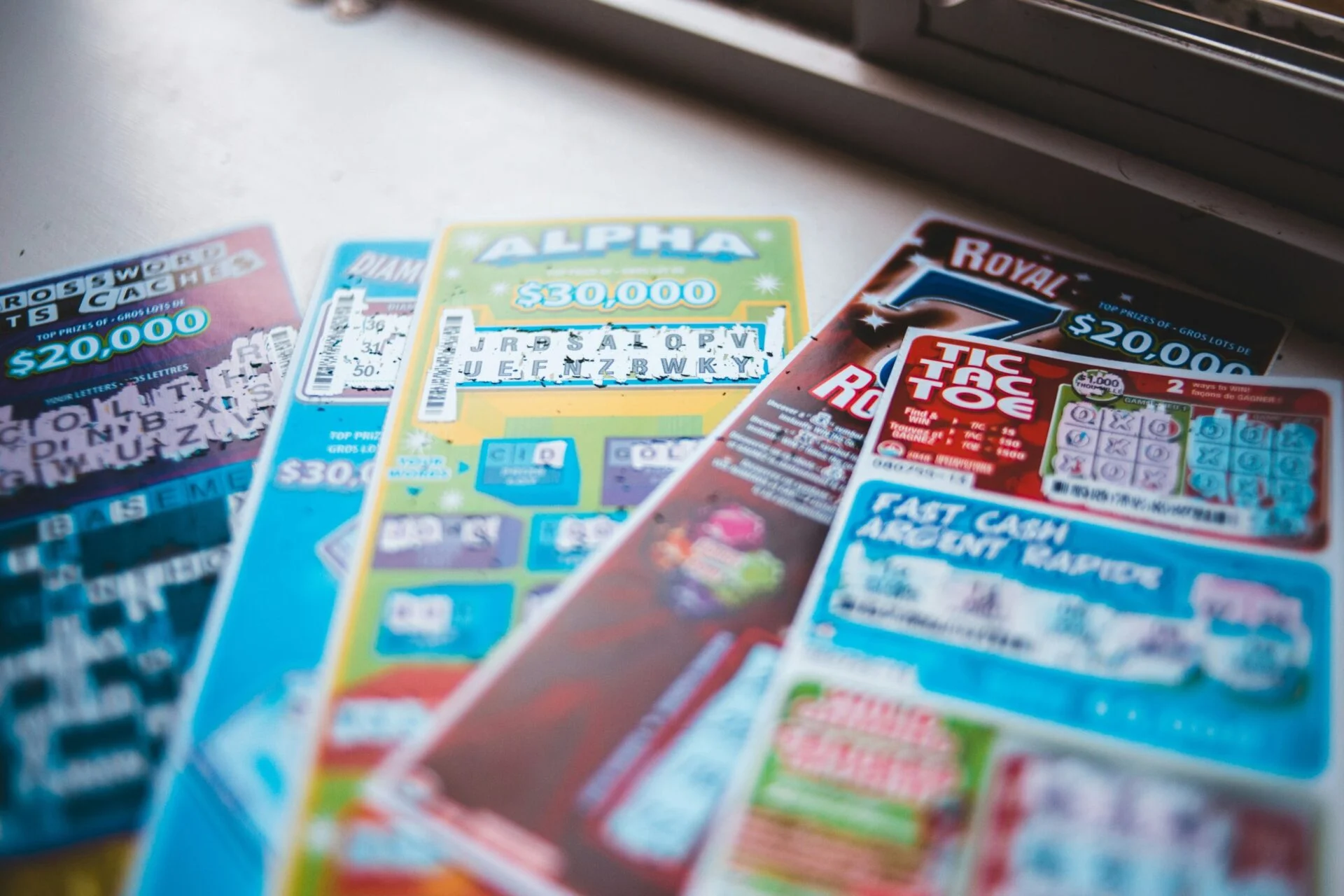
The gig economy's impact on direct-to-consumer scratchcard sales has recently entered the spotlight, particularly following Allwyn's announcement of a partnership with Scoot, a rapid delivery platform, back in early June. It turns out that UK lottery operators have been collaborating with various service suppliers for years, including major retailers like Tesco and Morrisons.
Allwyn's current endeavors, like those of its predecessors, aim to navigate the complexities of ensuring responsible gambling, especially when it comes to underage customers. Companies are keen to protect against underage gambling, training their drivers to recognize and handle potential at-risk individuals. However, with gig economy drivers—often self-employed individuals who deliver packages for multiple platforms—there are challenges.
These gig drivers typically earn per delivery, which often results in hurried service that can affect their attention to detail. Misdelivered packages and dropped-off items at doorsteps instead of being handed directly to recipients highlight the difficulties faced by drivers operating in a fast-paced gig environment.
Allwyn acknowledged these concerns when asked and emphasized that while they train drivers, the ultimate responsibility for ensuring age compliance rests with the retailers. Scoot's model, which relies entirely on third-party drivers, contributes to the complexity. Allwyn pointed out that these self-employed drivers tend not to make repeat deliveries to the same customers, making it hard for them to identify purchasing patterns over time.
Drivers lack visibility into the contents of their deliveries since retailers aim to minimize this to ensure compliance with age restrictions. Retailers are responsible for monitoring customer behavior using their detailed order data, which helps them promote safer gambling practices.
The sale of scratchcards has generated recent interest, with Allwyn noting that home delivery, while currently accounting for just 0.5% of scratchcard sales, holds potential for future growth—highlighted by increasing partnerships with delivery services. The company restricts customers to purchasing ten scratchcards per transaction, which they view as a positive measure.
Research into scratchcards has revealed varied insights on gambling addiction, with findings suggesting a lower risk associated with National Lottery scratchcards compared to non-National Lottery alternatives. Allwyn maintains a rigorous game design process to ensure that new scratchcards are developed responsibly, favoring lower-risk options.
Dr. Michael Auer, an expert in addiction, noted that although research often groups scratchcards with other lottery games, the event frequency inherent in scratchcard play elevates the risk of problem gambling. Different forms of scratchcards exhibit various characteristics that impact their addictiveness, further complicating the conversation around their safety and appeal.
Allwyn continues to vocalize its commitment to responsible play through protective measures embedded in its delivery structure. For example, retailers acquiring customer information through these platforms can better track behaviors that may indicate excessive play. The company emphasizes the importance of structured safeguards in managing scratchcard distribution.
The challenges of selling age-restricted products through third-party delivery drivers raise broader questions about the balance between convenience and safety. A troubling example from the alcohol delivery sector shows how systems can fail, even when robust policies are in place. Such events underscore the importance of vigilance and comprehensive measures in the gambling industry, especially involving high-risk products. With the momentum of swift deliveries comes the pressing responsibility of all parties involved to ensure their systems support user well-being.

