
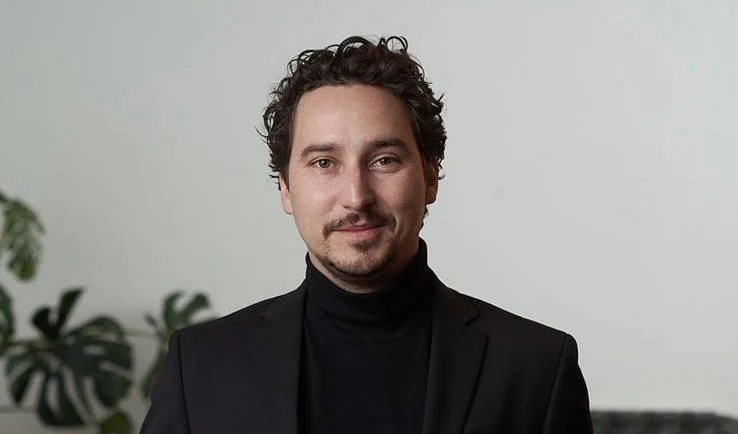
For five years, Niklas Sattler, a former executive with Casinos Austria, has been strategizing a bid aimed at shaking up Austria's rigid land-based casino market. He leads Alea Trust, a company he has built by enlisting a team of top casino executives and industry experts, forming a competitive group to challenge Casinos Austria, the dominant player in the national gaming scene, during the forthcoming tender for land-based casino licenses.
Sattler expressed his disdain for the outdated image that prevails in the industry, stating, “This old-school image of the industry – I don’t like that. So I said, let’s refresh the industry and let’s jump inside the tender. Let’s do it ourselves.”
Since 2021, he has successfully recruited at least 40 former managers from Casinos Austria and various international casino firms, laying the groundwork for a bold bid intended to revolutionize the sector.
Reflecting on the current industry landscape, Sattler noted, “Casinos Austria has a track record as a company, but they’ve lost a lot of expertise over the years.” His objective is to unite experts in anti-money laundering (AML), responsible gaming, finance, and casino operations, creating a team poised to compete at the highest standards.
With Austria gearing up for its first significant casino tender in years, Sattler believes this may be the opportune moment to foster a more progressive image for the aging industry. Yet, he is cautious about whether he will proceed with the bid, saying it hinges on how the forthcoming 13 casino licenses will be structured. He questions if the market will genuinely be accessible to newcomers or if existing operators will receive preferential treatment.
Austria’s casino industry has long been dominated by Casinos Austria (CASAG), which currently controls the two packages of 15-year licenses. These include six licenses in urban centers known as the Stadtpaket and six in tourist areas termed the Landpaket.
In June, the Austrian coalition government released a draft bill proposing comprehensive gambling reforms featuring plans to open up the online gaming market, thereby ending its current monopoly. However, the ramifications for land-based gaming have lingered in the shadows.
Buried in the Finance Ministry's bill is the intention to create 13 casino licenses, a slight increase from the 12 now in operation. The draft also discusses the possibility of these licenses being divided into “objectively justified” packages based on criteria such as population density, tourist potential, and economic conditions.
As the ministry stated, location decisions would derive from an objective study, ensuring that the balance between commercial viability and consumer protection is preserved. “Applications are, of course, open to all market participants,” it added.
Sattler advocates for the creation of individual licenses, stating, “Our idea is: let’s make 13 single licenses. That means you could apply for just one.” In contrast, he noted that Casinos Austria has called to maintain the current package system, which he contends could restrict opportunities for smaller players.
On this note, he commented on Casinos Austria’s stance: “We believe it’s quite unfair.” The operator, while defending the package system, emphasized it secures extensive coverage of casinos in alignment with economic and tourism considerations, and minimizes aggressive marketing behaviors.
Patrick Minar, a spokesperson for Casinos Austria, articulated that packages help achieve balance in the industry, while individual tenders could facilitate a practice akin to “cherry-picking.”
The ultimate direction of the government’s tender process remains uncertain, but the inclusion of packages in the law may indicate a particular outlook. Nicole Daniel, a regulatory expert, noted the strengthening of legal parameters concerning licenses, though she also recognized the potential for bias favoring existing operators.
She pointed out that “geographical diversity” and “economic potential” could be impediments for new applicants, as combining varying profitability levels in licenses might disadvantage them.
Arthur Stadler, a gaming lawyer in Vienna, remarked that the regulatory authority must conduct a thorough and diligent tender process to avoid past mistakes. With the wording of the draft law allowing extensive interpretation, the criteria for packaging licenses could present challenges.
Drawing attention to Austria's history with casino tenders, Stadler recalled the significant irregularities underlying previous tender processes, which led to court challenges and complications for prospective operators.
The Finance Ministry’s dual role as both the licensing authority and a shareholder remains contested, as critics highlight potential conflicts of interest derived from such a position.
Further complicating matters, the draft legislation extends existing licenses for urban casinos until December 2028, with a provision for further extensions based on ongoing legal issues or if replacements are not found timely.
While Minar defends these provisions as consistent with existing frameworks, Daniel described the one-year extension as justifiable but cautions that such provisions could prolong incumbent operations until 2030 without initiating a new tender process.
Sattler, who has deep industry roots, contends a revitalization is critical, advocating for casinos that genuinely reflect the diverse society in which they operate. He articulated a vision centered on community contribution, stating, “Our vision is much more about giving something back to players and to the community.”
The crux of the matter remains whether increased competition can lead to a socially responsible structure, with Casinos Austria claiming that limited competition maintains higher standards, while Sattler believes additional operators foster mutual accountability.
As legislative consultations wrap up and the process advances, questions linger regarding the tender framework’s specifics. Daniel highlighted that while procedural guidelines have been introduced, substantive evaluation methods remain untold. Sattler has made it clear that his company will only participate if the tender process is transparent, fair, and aligned with European Union standards.
“It’s a chance missed for the next 15 years,” he reflected, contemplating the significant implications of the outcome for Alea Trust. “And my dream of the last five years would be smashed entirely.”
As the Austrian gambling reform bill continues to progress, the potential ramifications of the new tender remain a topic of intense scrutiny and speculation.

