
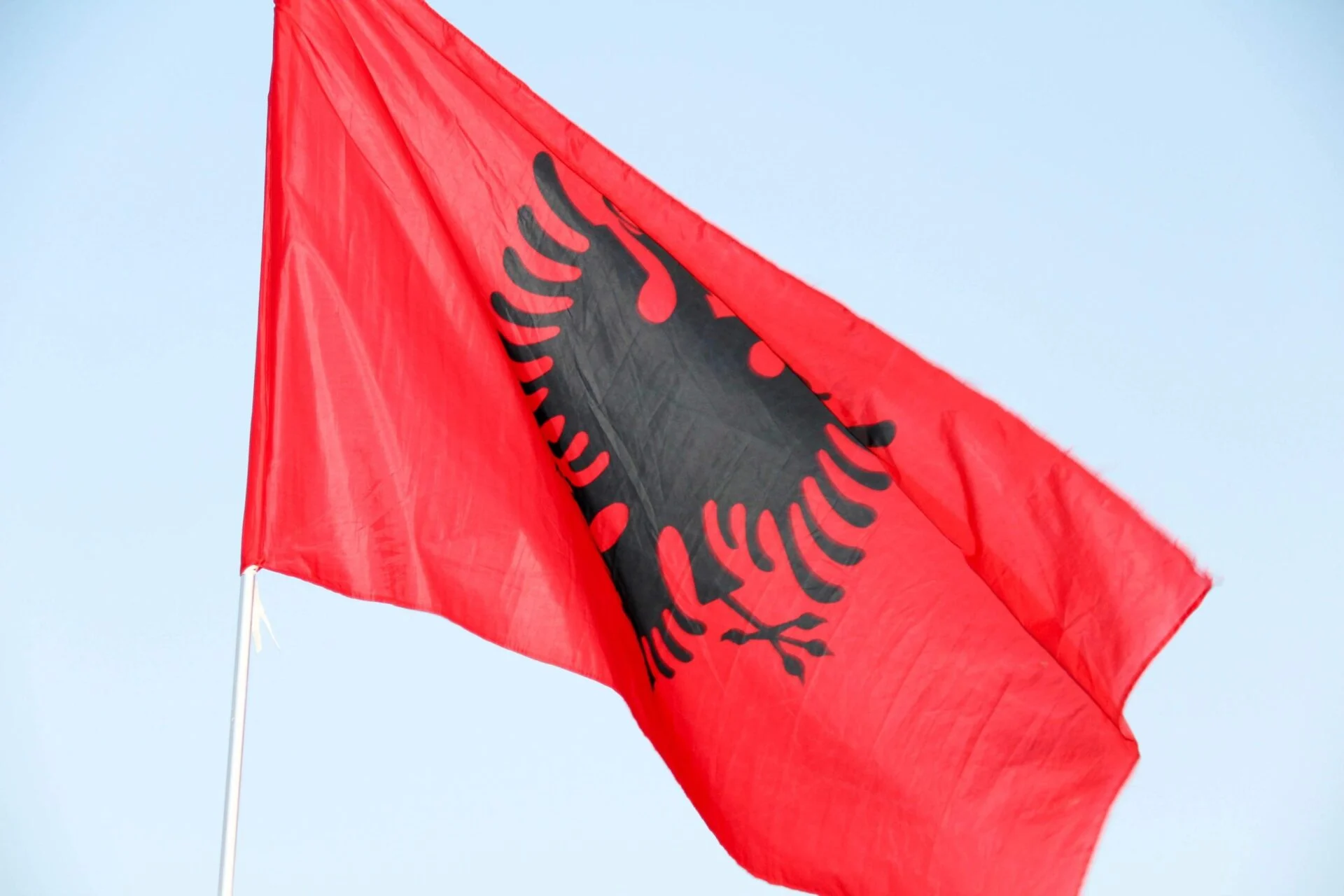
For the past seven years, Albania has enforced a blanket ban on sports betting, with all betting halls, slot cafés, and online gambling platforms outlawed since 2019. Despite these restrictions, the unregulated sports betting market generated an estimated gross gaming revenue (GGR) of $126 million last year, attracting the attention of international operators who see a possible opportunity as the regulatory landscape shifts.
In July, the Albanian government announced it had finalized a new framework aimed at partially reopening the sports betting sector. Once the licensing process is underway, up to ten online operators will be permitted to accept wagers from the country's residents.
The move towards reintroducing sports betting has been anticipated for some time. Back in 2022, Prime Minister Edi Rama acknowledged the thriving online betting economy, despite the ban, describing efforts to legitimize the activity as a way to bring profits into the light. "We are talking about taking this activity out of the black economy and bringing the profits into the light, because nobody can block it – not even China," Rama remarked.
However, despite the legislation enabling the market's reopening being passed in 2024, it has taken over two years to finalize the requisite details. Several important questions remain unanswered, such as when the initial licensing round will commence, how many licenses will be available, and whether more than five years of prohibition has diminished the public's interest in betting.
The ban on sports betting was instituted in 2018, when Albania’s market was thriving with an annual turnover estimated at €700 million. The expansive network of approximately 4,000 betting shops catered to a population of just over 2.8 million.
Hendri Hanaj, founder of Hashtag Lawyers, noted the pervasive presence of betting offices, especially those located near schools and neighborhoods. The government felt compelled to act as concerns about addiction and the impact on low-income households grew louder, with Rama highlighting the need to protect the integrity of sports and combat links between betting and organized crime. "We are waging a frontal war with the evil entrenched deeply in our society over the years," he stated during parliamentary discussions before the ban.
However, even after the ban was enacted, evidence showed that betting persisted, albeit underground. According to early assessments by Gaming Compliance International (GCI), Albania's unregulated online sports betting sector yielded GGR of $117 million in 2024, climbing to $126 million in 2025. When factoring in online casino and poker, the total unregulated GGR reached an estimated $229 million last year.
Rama’s renewed interest in reestablishing the market comes with caution. The new regulations will limit operations to online betting only, prohibiting physical betting shops and slot halls, while casinos will remain confined to select five-star hotels.
Albania's updated sports betting legislation allows for “up to” ten licensees, but the final number will be determined by the Licensing Commission during the application phase. As such, early market entrants will primarily include a few operators testing this newly regulated environment.
The government anticipates that the new framework could yield approximately ALL2 billion (€20 million) in annual public revenue, with 15% of GGR directed to a special fund dedicated to culture, sport, technology, and innovation. Nonetheless, Hanaj cautions that the prolonged ban may have diminished the enthusiasm for sports betting within the population, noting that current interest levels have dwindled compared to previous years.
For successful integration into the market, operators must register as Albanian joint-stock companies and demonstrate prior experience in three EU or OECD markets, alongside a minimum turnover from the last financial year of at least ALL2 billion (€20 million). The licensing process employs a points-based evaluation system emphasizing the highest license fee bid, gambling experience, governance structure, and technological capability.
Hanaj suggests these tough criteria may favor large international firms, as many local companies may struggle to comply. The guidelines indicate that once the licensing process initiates, the Licensing Commission needs to publicly announce applications within a week, promoting visibility via multiple platforms, including international newspapers.
Although Albania's Gambling Supervision Authority confirmed in July 2026 that all implementing regulations had been established, the specifics of the timeline for market rollout remain uncertain. The Ministry of Finance has not yet clarified when the licensing process will officially commence.
With Albania targeting EU accession by around 2030, Hanaj believes licenses could be issued within the next year or two. However, it's still unclear how many licenses will actually be granted and if the legal market can sustain more than a few players. Despite historical volatility, the relatively low costs of starting an Albanian-facing betting site and reasonable license fees may appeal to significant international operators eager to reenter the market.

