
As the excitement of the World Cup fades, sportsbooks face a pivotal question: what will their customers do after the tournament's conclusion? Many of these bettors signed up for the World Cup and may be first-time users. They reveled in group games and brackets, but as the final whistle blows, the platform shifts to mid-season sports and competitions unfamiliar to them. The enjoyable betting experience they knew appears to vanish just as quickly as the tournament itself.
The challenge lies in retention. With total wagers for this World Cup projected to exceed $50 billion, up from $35 billion in Qatar 2022, the influx of new customers presents a significant opportunity for operators. However, the acquisition costs—stemming from bonuses and media advertising—only yield profits if these customers continue betting beyond their initial deposit.
A recent study by the UK Gambling Commission examined the behavior of bettors three months after the 2022 World Cup final, providing valuable insights for the industry. Among newcomers who hadn't placed football bets in the year prior, about 70% continued to wager three months later. However, fewer than half stuck strictly to sports betting; many shifted to other gambling products. This indicates that while initial enthusiasm may linger, it diversifies into different betting formats.
Interestingly, established bettors exhibited similar trends. Although spending on football diminished after the final, overall betting activity remained stable or even increased. The final occurred during the European league season, which continued shortly after, yet many who had engaged during the tournament sought alternative betting options.
These findings prompt a clear directive for sportsbook operators: the appetite for betting that these customers bring can extend beyond the tournament itself. It becomes crucial to keep them engaged, capitalizing on their willingness to explore different betting avenues. Retention should focus on relevant content rather than just customer relationship management techniques. To attract these bettors, operators must provide experiences that resonate with their interests.
The nature of content that caters to a football fan who prefers swift betting opportunities, without delving into new stats, is essential. One successful innovation is Oddin.gg’s Penalty Arena, where bettors engage in a continuous market surrounding penalty kicks, with outcomes resolved within 90 seconds. This format offers instant gratification without the complexities associated with traditional fixtures.
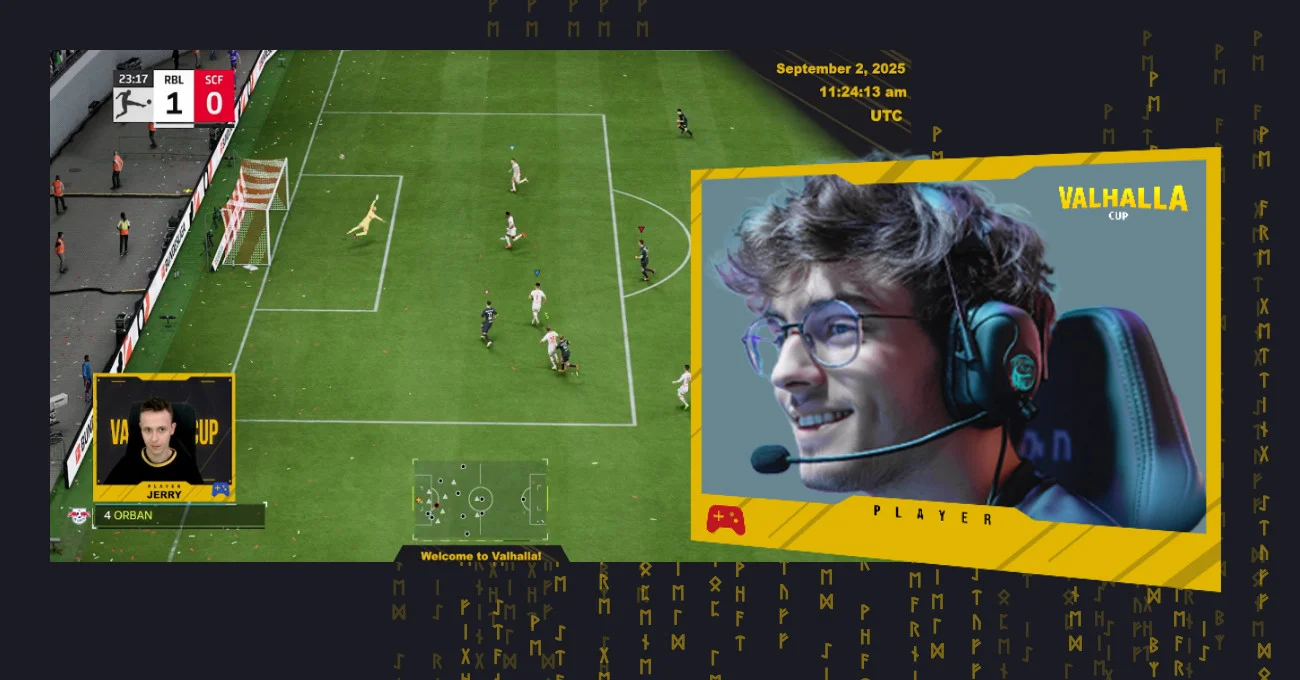
For those desiring a more immersive experience, Oddin.gg’s eFootball offers rapid electronic simulations of matches with new games launching frequently. This strategy of maintaining active markets leverages the traditional sports calendar while incorporating esports, which operates independently with its own seasons and tournaments. Esports can appeal to a younger demographic, primarily Millennials and Gen Z, introducing a diverse revenue stream that remains unaffected by the setbacks of seasonal sports.
With the influx of World Cup bettors this summer, operators stand at a crossroads. Historical data suggests that a majority will continue betting, but their engagement hinges on the offerings available post-tournament. By providing relatable content that mimics the rapid, familiar betting experience they originally sought, sportsbooks can effectively convert a record influx of customers into sustained revenue.
Marek Suchar, group head of strategic transition at Oddin.gg, emphasizes the importance of maintaining a dynamic betting environment that accommodates the interests of new customers while creating lasting engagement beyond the World Cup season.

