
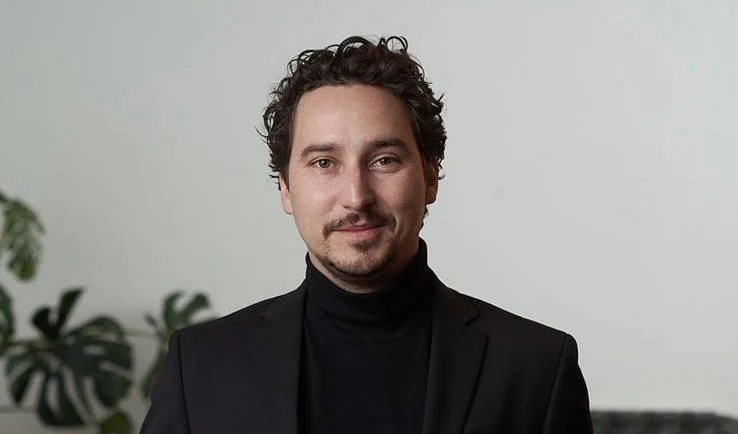
Niklas Sattler, a former executive at Casinos Austria, has been strategically planning a bid to enter Austria's stagnant land-based casino market for the past five years. Through his venture, Alea Trust, he has assembled a team of over 40 industry experts and executives—including many from his previous employer—to challenge the longstanding dominance of Casinos Austria in the forthcoming tender for land-based casino licenses.
"This old-school image of the industry – I don’t like that," Sattler said. "So I said, let’s refresh the industry and let’s jump inside the tender. Let’s do it ourselves."
As Austria gears up for its first significant casino tender in years, Sattler sees a possible opportunity to reshape the industry's image. However, whether he will proceed hinges on the structure of the proposed 13 casino licenses and how they will be divided.
For decades, Casinos Austria (CASAG) has maintained a monopoly on the country's casino industry, controlling two packages of 15-year licenses: one for urban areas and the other for tourist destinations. In a draft bill released this past June, the Austrian coalition government outlined extensive gambling reforms, including plans to open up the online gaming market.
While the draft addressed the online sector, it gave scant attention to land-based gaming. However, it did specify plans for 13 casino licenses, which could be divided into "objectively justified" packages. The Finance Ministry stated that location decisions would rely on an assessment of various factors, including population demographics and tourism potential.
Sattler advocates for 13 individual licenses to ensure fairness in the tender process, arguing that it would allow smaller operators to compete. "Our idea is: let’s make 13 single licenses," he explained. "That means you could apply for just one."
In contrast, Casinos Austria has been pushing to maintain the package approach. A spokesperson stated that the package system is necessary to ensure wide coverage of casinos while avoiding aggressive marketing tactics.
"Only a carefully designed package solution can guarantee all of this," said Patrick Minar from Casinos Austria.
The question remains as to which path the government will follow in setting up the tender. Legal experts indicate that while the new legislation provides a clearer framework for packaging licenses, there are still concerns about potential bias towards established operators. Nicole Daniel, a regulatory partner at DLA Piper in Vienna, noted that packages could hinder new entrants if not structured fairly.
Arthur Stadler, a Vienna gaming lawyer, emphasized the importance of a rigorous tender process to avoid past mistakes. He expressed skepticism that the upcoming tender would proceed without legal challenges, given Austria's history with casino licensure.
Historical context reinforces these concerns. After changes to the gambling law in 2010, subsequent tenders faced issues with transparency, leading to court rulings that annulled some concessions. Critics have raised alarms about the dual role of the Finance Ministry as both licensor and shareholder in Casinos Austria.
Meanwhile, the draft legislation extends the current licenses for urban casinos until the end of 2028, potentially delaying new competition. This extension raises concerns about a possible lack of fresh tenders until 2030.
Sattler, who comes from a third-generation casino family, is passionate about the need for renewal in Austria's land-based gaming sector. He believes that casinos should represent the evolving values of society and make contributions to local communities.
"Our vision is much more about giving something back to players and to the community," he stated, emphasizing the need for a balance between operations and community investment.
As the gambling reform bill proceeds through the political system, potential bidders are still uncertain about the tender process. The draft includes detailed rules but lacks clarity on evaluation criteria, which legal experts say will be pivotal in the licensing decisions.
Sattler has made it clear that Alea Trust's participation hinges on the establishment of fair criteria according to EU standards. "We’re only going to enter the tender if the criteria are fair and safe and abide by European Union standards," he said.
However, he expressed concern over what abandoning the bid would mean after five years of preparation. "It’s a chance missed for the next 15 years," he lamented. "And my dream of the last five years would be smashed entirely."

