
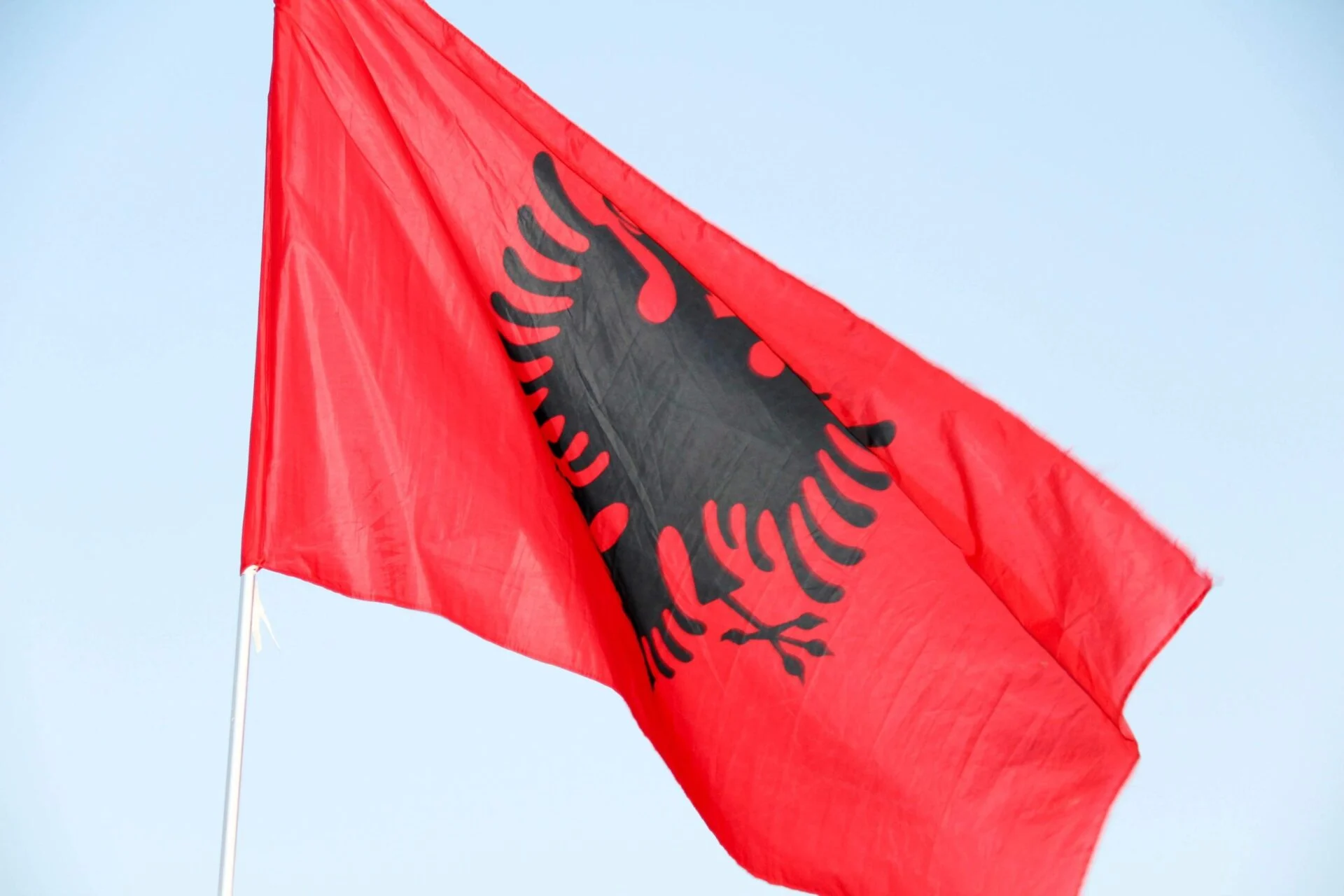
For seven years, Albania has grappled with a complete ban on sports betting, which intensified in 2019 when all forms of online gambling were prohibited. Despite this, a considerable unregulated sports betting market thrived, with the gross gaming revenue (GGR) estimated at $126 million in 2025, prompting international operators to consider entering the market once it officially reopens.
In July, the Albanian government announced the finalization of a new regulatory framework aimed at partially reopening the sports betting sector. Under this framework, up to ten online operators will be licensed to accept bets from Albanian customers.
This shift in policy comes after years of recognition by Prime Minister Edi Rama, who noted in 2022 that the betting economy was nonetheless “flourishing,” even in the shadows. He stated, "We are talking about taking this activity out of the black economy and bringing the profits into the light, because nobody can block it – not even China."
Legislation permitting the reopening of the market was passed in 2024, but it took over two years for the intricate details of this new regulatory environment to be established. Several crucial questions remain unanswered, including when the licensing process will commence, how many licenses will be available, and whether the lengthy ban has dampened public interest in betting.
The ban on sports betting originated in 2018 when parliament intervened in response to a burgeoning market that reported an annual turnover of €700 million. At the time, Albania had around 4,000 betting shops catering to a population just exceeding 2.8 million. Hendri Hanaj, founder of Hashtag Lawyers, described the extensive presence of betting establishments: "There were a lot of betting offices in Albania – everywhere, near schools and in local neighbourhoods. The government was forced to do something because it was getting out of control."
Fears grew among politicians regarding gambling addiction and its potential impact on vulnerable households, with Rama warning about possible links between betting companies and organized crime. In October 2018, he declared, "We are waging a frontal war with the evil entrenched deeply in our society over the years," just ahead of the ban.
In the wake of prohibition, it became clear that gambling had not diminished but transformed into an underground activity. Reports indicate that Albania's unregulated online sports betting market generated GGR of $117 million in 2024, with the figure rising to $126 million in 2025, bringing total unregulated online GGR to an estimated $229 million when including online casinos and poker.
Moving forward, Rama aims to avoid a return to previous chaotic retail betting conditions. The new regulations will exclusively permit online sports betting—continuing to ban brick-and-mortar betting shops and slot halls while maintaining that casinos will remain limited to select five-star hotel locations.
Entry into the market will be tightly regulated, with legislation allowing for “up to” 10 licensed operators, determined by the Licensing Commission upon opening the application phase. This initial release of licenses will provide an opportunity for only a small number of operators to enter the newly regulated environment.
The government anticipates that this updated framework could generate approximately ALL2 billion (€20 million) in public revenues annually. Fifteen percent of GGR is earmarked for a special fund dedicated to culture, sport, technology, and innovation. However, Hanaj cautions that public enthusiasm for sports betting may have dwindled over the years, saying, "There is an appetite for sports, but it has faded over time."
The upcoming framework emphasizes traceability and oversight, with players required to register online using national identity cards. Cash payments are banned, and financial transactions must go through authorized Albanian banks or licensed payment providers. Operators are responsible for monitoring all transactions and retaining player records for a minimum of three years, alongside enforcing a national self-exclusion register.
With no dedicated gambling support systems currently in Albania, operators will also be responsible for guiding players on potential risks associated with gambling.
In June, guidelines outlining the process for suspending and revoking licenses were finalized. Operators who violate regulations twice within three years could face license suspensions lasting anywhere from 30 days to two years. A third violation could result in license revocation.
On top of a 15% GGR tax contributing to the special fund, operators must also adhere to a standard 15% corporate tax rate and pay local taxes and prescribed license fees, starting at a minimum of ALL400 million (€4 million) across the 10-year licensing period.
Prospective operators must satisfy significant entry requirements, including being registered as an Albanian joint-stock company, demonstrating experience in at least three EU or OECD markets, and showing a minimum turnover of ALL2 billion (€20 million) in the last financial year, along with at least ALL40 million (€400,000) in share capital.
The licensing will be awarded based on a points system that evaluates bidding proposals, sector experience, governance quality, technology capacity, and business planning.
Hanaj believes these stringent criteria favor large international operators over local entities, asserting, "There are a lot of conditions to get the licence and no Albanian company, at least, would be able to meet them – or at least none that are interested in betting."
As of July 2026, Albania’s Gambling Supervision Authority confirmed that all regulations necessary for implementation had been completed. However, the timeline for awarding licenses and creating an operational market remains uncertain, with the Ministry of Finance yet to respond to inquiries.
Initially aiming for EU accession by 2030, the issuance of licenses could occur in the next few years. The market's potential sustainability for multiple operators remains to be seen. Despite a population decline from 2.8 million to 2.75 million since the peak betting era of 2018, Hanaj believes the attractive start-up costs for an Albanian-facing betting site could appeal to large international entities.
Albania’s banking landscape continues to support a limited number of institutions, which raises further questions about the market's capacity to sustain growth. However, Hanaj observed, "There are around 12 banks in Albania and I don’t think the market supports that. But they are still here and still working."

