
Rank Group CEO Richard Harris addressed the challenges facing the UK's retail casino sector in a recent update regarding the company's fiscal year 2025/26 results. He criticized recent actions and proposals from anti-gambling advocates, specifically referencing concerns raised in a report by the Social Market Foundation that seeks to increase duties on certain electronic gaming machines. Harris commented that these campaigners are creating "clouds" over the regulated gambling industry in the UK.
This year, the sector has seen remote gaming duty increased significantly from 21% to 40%. Additionally, Prime Minister Andy Burnham has proposed granting councils more authority to impose restrictions on Adult Gaming Centers. In describing betting shops, Harris referred to them as "dodgy businesses" and likened them to the increasing prevalence of vape shops on UK high streets.
Harris warned that proposed tax hikes could be detrimental to land-based gambling establishments, stating, “Tax proposals from anti-gambling campaigners continue to cast clouds over a regulated industry that is proud to support jobs across the country, deliver great hospitality experiences to millions of customers and Rank paid over £225 million in taxes and duties last year.” He emphasized that excessive tax increases could lead to operational challenges for establishments with tight profit margins, such as bingo halls and casinos.
For the fiscal year ending June 2026, Rank Group reported a 5% increase in net gaming revenue (NGR), reaching £835 million ($1.13 billion), thanks to robust performance in its digital operations. The company also noted a 15% rise in underlying EBITDA, which totals £138.3 million, while underlying operating profit increased by 21% to £78.6 million. However, Rank's reported operating profit decreased by 7% from £60.1 million to £55.7 million, with profit after tax dropping 23% to £29.9 million, indicating the financial strain from tax increases.
Most of Rank’s figures were adjusted to reflect like-for-like operations, discounting the impact of new venue openings, closures, currency fluctuations, and recent market entries. Excluding these factors, the underlying like-for-like NGR grew 6% to £834.1 million, with the operating profit rising 20% from £66.7 million to £79.9 million. The year concluded with a net free cash flow of £25.5 million, a slight decrease from £27.7 million the previous year; however, net debt improved from £154.7 million to £147.2 million.
In the digital segment, there was an impressive 8% growth in like-for-like NGR, reaching £248.5 million, surpassing the performance of its physical venues. During the fourth quarter, digital revenue increased by 12%, which was encouraging for the overall profitability of the financial year.
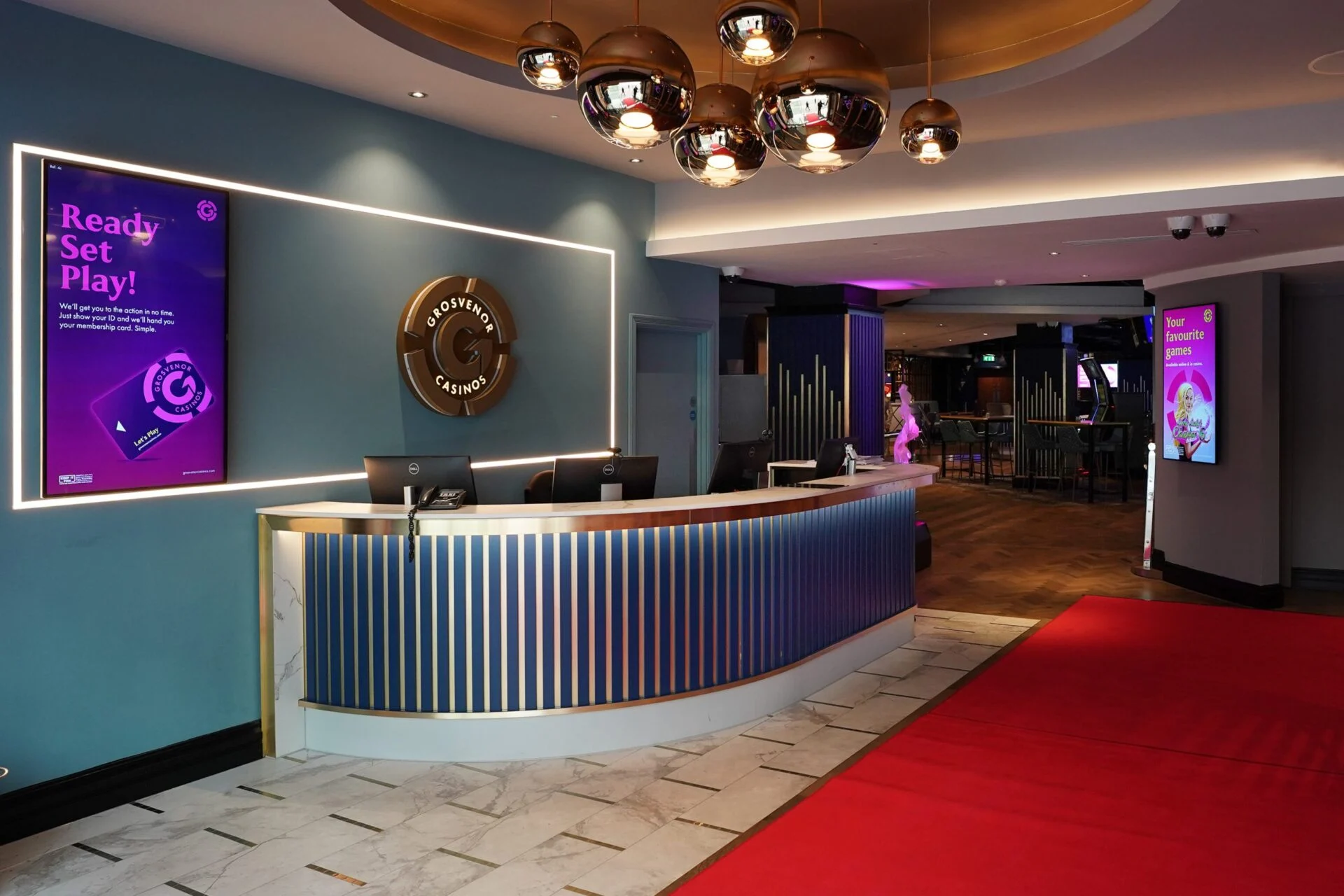
In its retail spaces, Grosvenor casinos saw an average weekly NGR rise by 5% year-on-year to £7.6 million, with more customers and increased spending per visit. The growth was attributed to the installation of 850 machines across 37 casinos during the year, although performance in table gaming was negatively affected by ongoing conflict in the Middle East.
While Mecca venues experienced a like-for-like NGR growth of 4%, nine unviable locations closed within the year. Harris noted a strong trading start to the new financial year, with an 8% rise in group NGR, driven again by digital revenues that were up 10% and Grosvenor gaming machine revenue that climbed 15%.
Looking forward, Rank aims to achieve over £100 million in underlying operating profit in the medium term but acknowledged that profitability in its digital segment would be impacted in the fiscal year 2026/27 due to the increase in remote gaming duty. For its land-based operations, the company stressed the importance of maintaining the current machines games duty rate at 20%, indicating that any increase would adversely affect venue viability across both Grosvenor and Mecca, leading to reduced tax receipts within a year.
In personnel news, Harris, who was appointed as the firm’s permanent CEO in July, had been serving in an interim capacity following the departure of John O’Reilly in January. The company announced that Karen Whitworth would leave the board and Lucinda Charles-Jones would also step down after the AGM on October 8. Non-executive director Katie McAlister is set to take on the role of chair for the remuneration committee on an interim basis after the AGM, with plans to recruit a new senior independent director to replace Whitworth in the future.

