
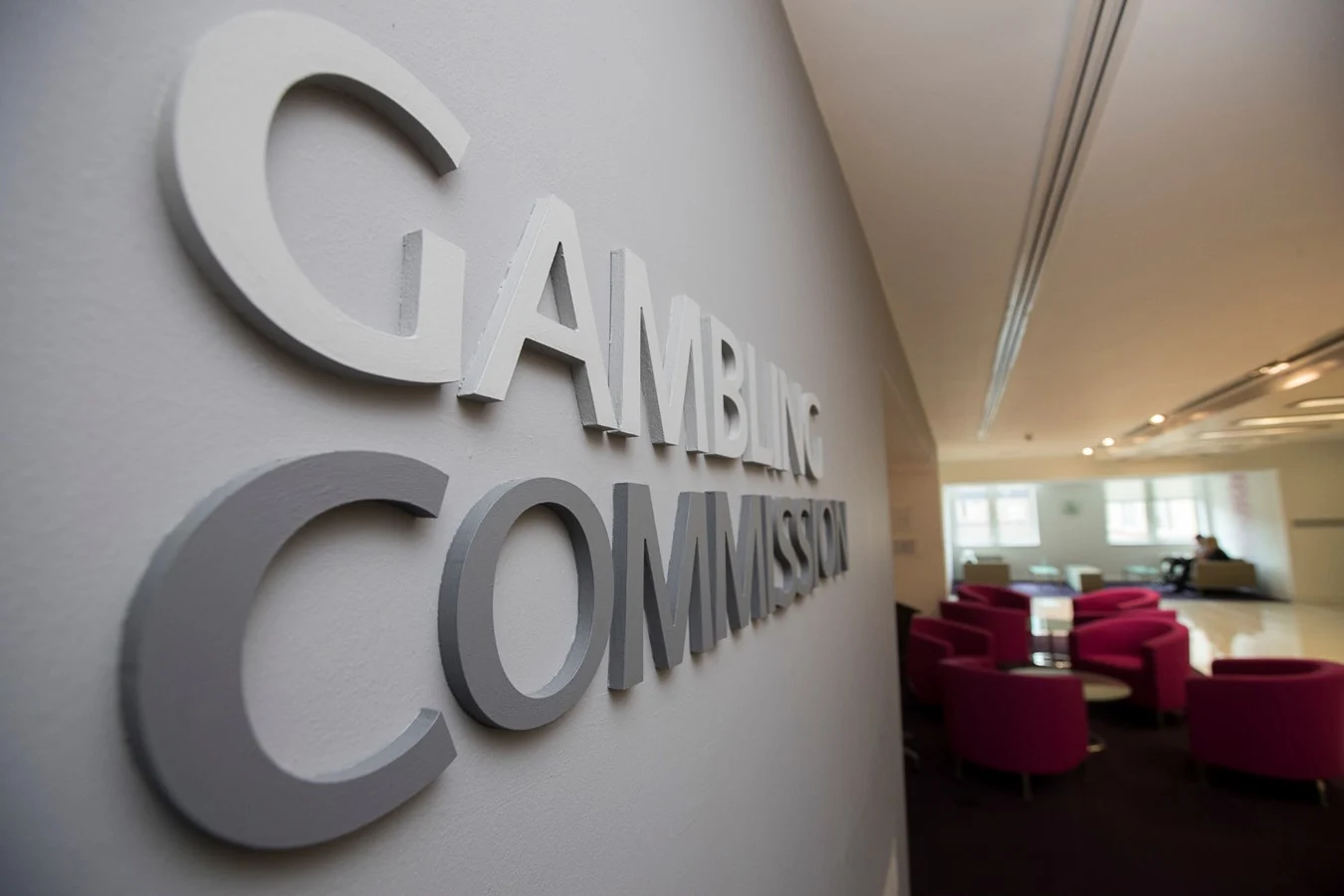
The Gambling Commission is undergoing a turbulent phase, marked by the recent appointment of Sarah Fox, who has transferred from the Department for Digital, Culture, Media and Sport (DCMS). Having led the gambling and lotteries team at the DCMS for the past four years, Fox's new role includes overseeing policy, research, statistics, and National Lottery regulation. This change follows the exit of executive director Tim Miller and Andrew Rhodes stepping down as chief executive just three months prior.
Currently, the Commission is being run by acting chief executive Sarah Gardner. It has faced mounting scrutiny regarding its evidence, industry engagement, and the process of translating the gambling white paper into actionable policy.
Given these circumstances, there's speculation that Fox's appointment might carry broader implications than just bolstering the executive team. Her extensive insight into the regulator’s ongoing initiatives and the political backdrop could suggest a deeper involvement in the Commission’s direction.
Fox has played a significant role in implementing policies related to the gambling white paper, the fourth National Lottery license transition, and other gambling regulations. With over 23 years in the Civil Service, her background includes work at the Home Office, Cabinet Office, and Department of Health and Social Care.
Gardner praised Fox's experience as "invaluable" for guiding the Completion of white paper reforms and ensuring the welfare of National Lottery participants while enhancing contributions to good causes. Fox herself expressed enthusiasm about her new responsibilities.
Despite this, Vaughan Lewis, a seasoned commentator on the gambling industry, warned against viewing the secondment as a sign of impending political intervention at the Commission. He noted, "I’m not sure there is much evidence that the government is taking the criticism seriously. There are selected people within parliament for whom it is an issue, but they are still in the minority and remain outliers."
Lewis suggested that the government's inner workings might provide a more plausible explanation than a political strategy for control. "I haven’t heard anything to suggest anyone is seriously considering taking this up as an issue," he said, implying that the situation reflects routine civil service concerns regarding information flow rather than a shift in regulatory oversight.
Fox’s role enhances the Commission's leadership at a time of turmoil but does not formally alter its accountability or operational status. Neither the DCMS nor the Commission has indicated that her appointment will redirect the regulator's focus.
The Commission has been experiencing discord in its relationships with parliament and the horse racing industry. The Culture, Media and Sport committee has raised questions about its financial risk assessments and their basis, particularly concerning its decision to enforce checks before releasing complete supporting evidence.
Additionally, a conflict with the British Horseracing Authority (BHA) arose when Gardner expressed disappointment over accusations of disengagement with the racing sector, contending that the claims lack factual support. The BHA countered that there had been no communication in the lead-up to significant decisions despite efforts to reach out.
Lewis emphasized the broader concern regarding the extent of the Commission's influence over policy-making, suggesting that parliament should reclaim its authority in this area. He remarked, "What is essentially happening is that the regulator is assuming a lot of parliament’s role and responsibility in the formation of policy."
Nonetheless, Lewis perceives little political motivation for ministers to address the Commission's operations as a pressing matter. He articulated, "Gambling is either something politicians want to make noise about because they are clamping down on it, or something they do not want any noise about at all. I struggle to see anyone taking the Gambling Commission’s performance up as a serious political issue."
Fox will confront two main challenges upon joining the Commission: executing a complex reform agenda and addressing the growing unease among operators, racing representatives, and parliament regarding policy formulation and stakeholder engagement. Her familiarity with the reforms positions her to effectively mediate between the various parties involved, although her appointment will be scrutinized closely.
While Fox’s move does not imply that the DCMS is asserting control over an independent regulator, the persistent leadership vacuum and unresolved disputes regarding financial risk assessments place a seasoned official at the helm of the Commission during a critical and contentious time.

