
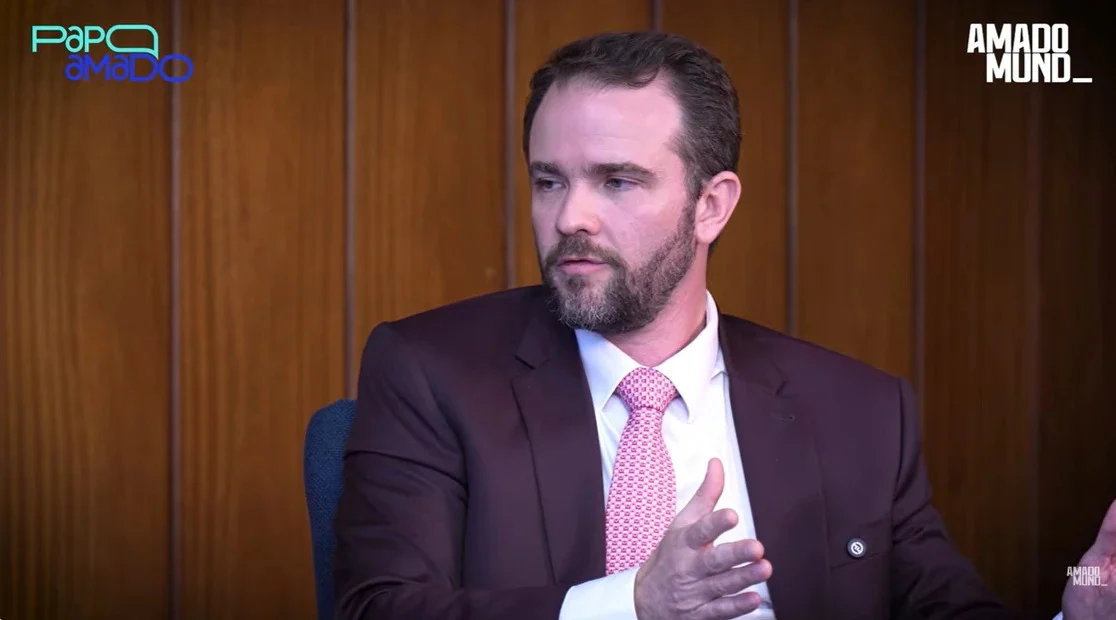
Brazil's Finance Minister, Dario Durigan, has asserted that the nation is not reliant on revenue from betting to stabilize its public finances. In remarks made during an interview with Guilherme Amado for Amado Mundo, he emphasized that the goal of regulation is not to generate revenue but to ensure the sector operates under established norms.
"Tax collection is part of the economic game and all sectors contribute," he said. "The same happens with betting," highlighting that the industry should be held to similar standards as tobacco.
Durigan explained that the Brazilian government, under President Luiz Inácio Lula da Silva, has acted to fulfill legislative requirements surrounding sports betting that were neglected during the previous administration. He noted, "The legislation mandated the regulation of the sector, which did not happen in the previous administration. We came into government with the sector operating for almost five years.
"We saw that betting companies had infiltrated sports and advertising and that they hold considerable political and economic influence. Understanding that Congress was unlikely to ban the activity, we decided to impose regulations and set standards.
"It's not that I want to collect taxes because I need the money. I want to collect taxes for the sake of fairness: if a company sells cars, it pays taxes; if it sells drinks, it pays taxes. If it's authorized to operate, it has to pay."
The finance minister also referred to proposals from his ministry regarding tax adjustments and the recent decision to prohibit beneficiaries of social welfare programs from participating in gambling.
Durigan addressed President Lula's concerns about the social costs of betting, stating, “He has already indicated his discomfort with the cost and quality of life for people. Therefore, we have been having this debate. I have appeared before Congress, the Supreme Federal Court, and the Attorney General’s office to discuss the effects of betting on Brazilians’ lives.
"We have made progress, such as raising the direct tax to 15% and including the activity in the Selective Tax. Individuals benefiting from social programs and those enrolled in the Desenrola program are also prohibited from betting."
He also mentioned the introduction of a self-exclusion mechanism by the government, noting, "The debate about prohibition will remain open in the country for the next few years. It will be an institutional debate between the Supreme Court, Congress and the executive branch." Durigan did not suggest that the government plans to ban betting altogether.

