
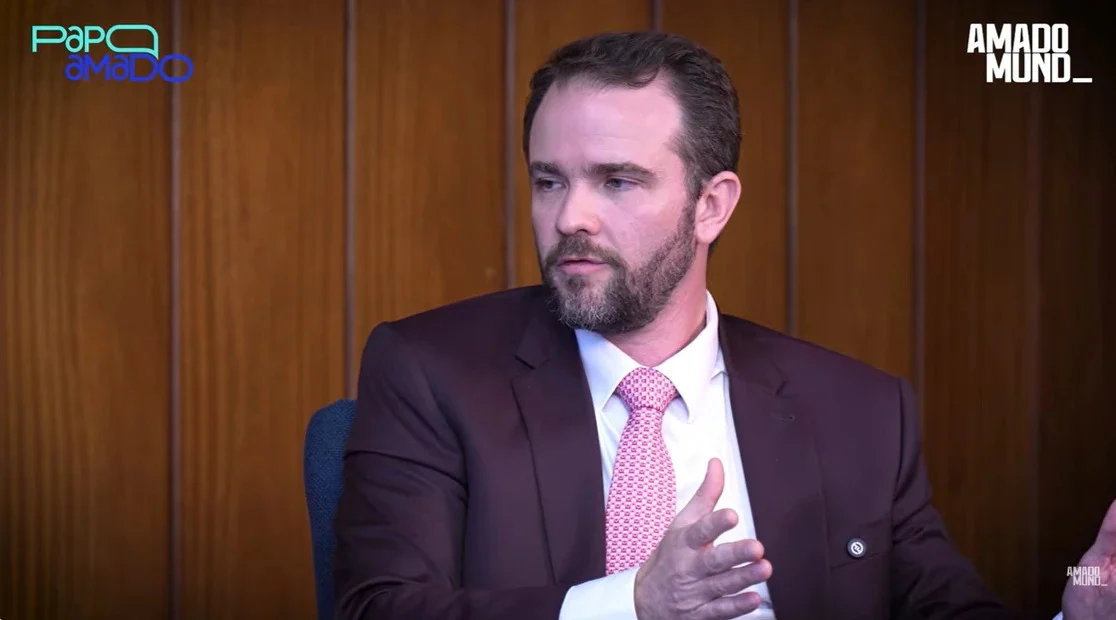
Brazil's Finance Minister Dario Durigan has asserted that the country does not rely on betting revenue to maintain its public finances. In remarks focused on the regulation of the gambling sector, Durigan emphasized that the primary purpose of this regulation is not to generate revenue. "Tax collection is part of the economic game and all sectors contribute," he stated, adding that the treatment of the betting industry should mirror the scrutiny applied to the cigarette industry.
In a recent column by Guilherme Amado in Amado Mundo, Durigan revealed that both the Brazilian government and President Luiz Inácio Lula da Silva have adhered to the legislative framework that governs sports betting.
“The legislation mandated the regulation of the sector, which did not happen in the previous administration,” he explained. “We came into government with the sector operating for almost five years. We saw that they had entered football and advertising, and they have political and economic weight. Understanding that Congress would not prohibit the activity, we decided to put the brakes on and establish the rules.”
Durigan clarified that the intent behind tax collection is not solely financial necessity but rather a matter of fairness, arguing that companies across various sectors, such as automotive and beverage industries, are expected to pay taxes. "If it's authorized to operate, it has to pay," he insisted.
During the interview, the minister also discussed proposed changes to taxation by the Ministry of Finance, as well as new restrictions barring social welfare beneficiaries from participating in gambling.
Durigan referenced President Lula's unease regarding betting in Brazil, particularly concerning its impact on citizens' quality of life. "Therefore, we have been having this debate," he mentioned, reporting on his engagements with Congress, the Supreme Federal Court, and the Attorney General's office to address betting's impact on Brazilians' lives.
"We have made progress, such as increasing the direct tax to 15% and including the activity in the Selective Tax. Those benefiting from social programmes and those who joined the Desenrola programme were also prohibited from betting," he stated. Furthermore, he highlighted a self-exclusion mechanism that the government has implemented.
Durigan concluded by noting that the discourse surrounding the prohibition of gambling will continue in Brazil over the coming years. He confirmed that this would remain a topic of institutional debate involving the Supreme Court, Congress, and the executive branch, although he did not hint at plans for a ban on the activity.

