
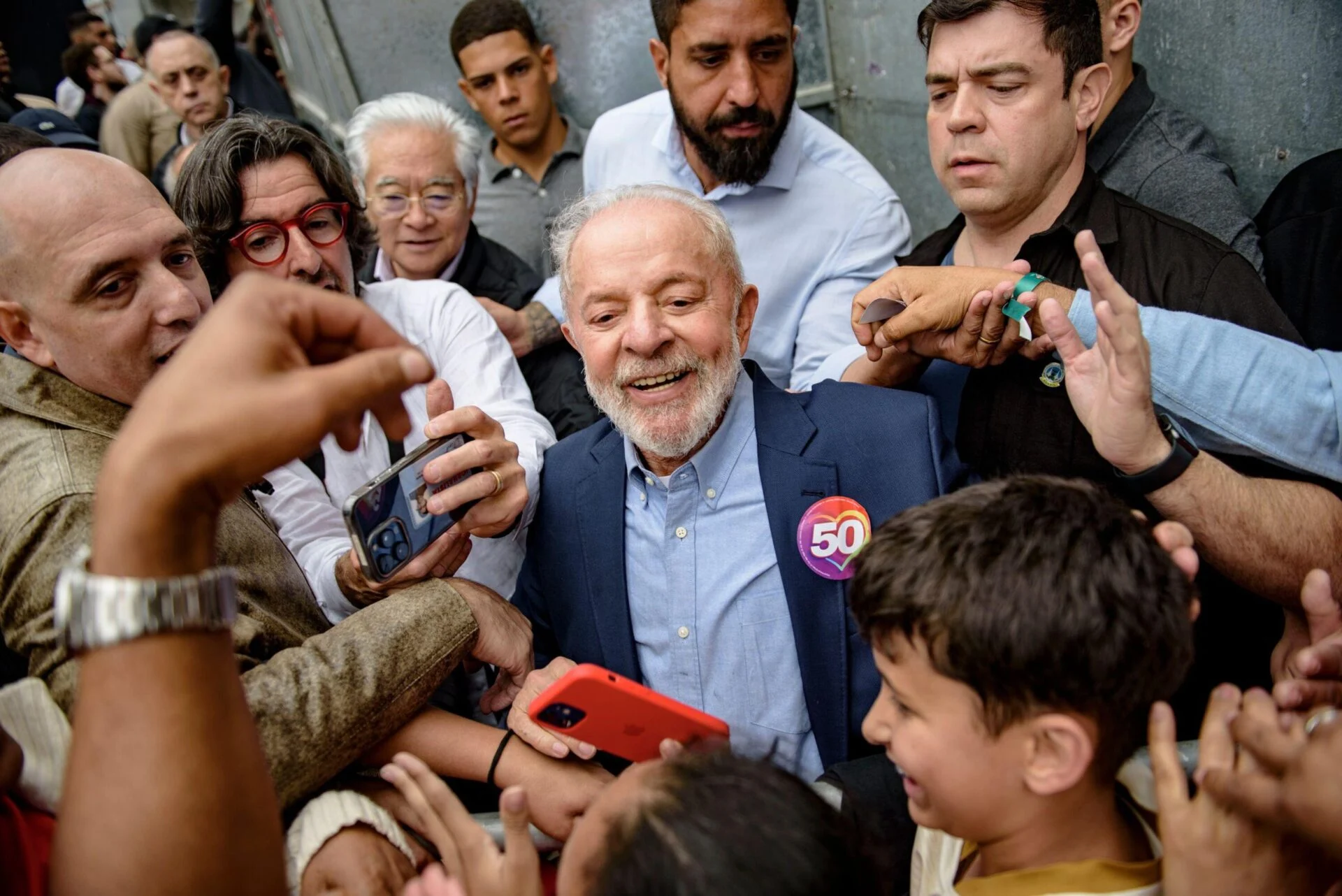
President Luiz Inácio Lula da Silva has intensified his administration's threat against Brazil's gambling sector, taking a decisive step on September 25 by signing an order to ban online gambling through a provisional measure. The immediate effect of this ban has left many within the industry alarmed, as it will lapse within 60 days unless Congress approves it, with the possibility of a further extension. In response, some operators are preparing to contest the order legally, with industry trade bodies already seeking intervention from the Supreme Court.
The implications of this ban are significant, as Brazil’s regulated gambling market previously held an estimated value of around $7.7 billion, according to data from H2 Gambling Capital. The gambling sector employed roughly 15,000 individuals and contributed approximately $1.87 billion in federal tax revenue from January to August of this year. Additionally, Brazilian football clubs are expressing concern over the potential loss of sponsorship revenue, which could adversely affect the league's financial landscape.
Bruno Centurion, a political analyst with Fatto Inteligência Política, suggests the timing of the ban is suspect, reflecting a populist strategy as Lula faces a tight presidential election against Flávio Bolsonaro. "The timing of the measure is completely populist," he asserts, adding that while the ban has been a subject of political discussion for years, its recent announcement just days before the election is clearly aimed at garnering immediate electoral support.
From a business point of view, Blokotech co-founder Alberto Alfieri articulates concerns that such unpredictable regulations could deter investment in Brazil. He reflects on the lack of foresight in considering the broader consequences of this measure. Alejandro Navarro, founder of the Panama-based betting company Betski, shares a similar sentiment, emphasizing that the announcement appears to be a calculated political move amid electoral pressures.
Public opinion seems to align with the ban; research by AtlasIntel and Bloomberg indicated that 75% of people surveyed were in favor of prohibiting gambling, with only 17% supporting its legalization. A follow-up poll conducted by Quaest, post-announcement, revealed that 62% of respondents still supported the gambling ban, while 38% opposed it. Notably, public sentiment is complex, as 36% of participants associated Lula himself with the expansion of gambling in Brazil.
The fallout from the ban has already prompted industry responses, with two trade bodies filing a challenge at the Supreme Court and the attorney general's office also initiating legal action against 17 betting operators for moral damages related to gambling activities. In a concerning trend, authorities reported that hundreds of illegal gambling websites have sprung up since the ban was enacted, emphasizing the ongoing struggle between regulations and illicit operations.
Amidst this turmoil, market dynamics also reflect Lula's evolving political landscape. The recent package of reforms, which includes a notable increase in the Bolsa Família social welfare program, appears to be appealing to key voter demographics, particularly among women, Catholics, and low-income individuals. Centurion indicates that there is a chance these measures could sway undecided voters in Lula’s favor, thereby shifting the electoral narrative from negative media coverage to a focus on policy reforms aimed at alleviating cost-of-living issues for many.
Polls indicate a slight edge for Lula in the run-up to the election, with surveys suggesting he is either leading or statistically tied with Bolsonaro. However, the overall electoral climate remains complex and fluid due to the contrasting visions each candidate presents to the electorate. Some analysts argue that while Lula's recent measures may have beneficial outcomes, they might not singularly alter the voting intentions of the populace.
As for prediction markets, they still favor Bolsonaro, reflecting his higher chances of winning, with current probabilities suggesting a 58% to 59% advantage for him over Lula. Centurion cautions against overemphasizing these figures, noting that prediction markets in Brazil are not as influential or comprehensive as in other countries.
If Bolsonaro prevails, experts suggest a more gambling-friendly environment might emerge, contrasting sharply with Lula’s opposition to gambling legalization. However, the National Congress will play a critical role moving forward, with its composition potentially influencing future gambling regulations. Centurion highlights that a Bolsonaro victory won't guarantee a full re-legalization of gambling, particularly in light of the ongoing opposition from various religious groups influenced by evangelical sentiments.
Looking ahead, both candidates are expected to face considerable challenges in navigating the gambling sector's future. Centurion predicts that a victory for Lula would likely mean a staunch resistance to any form of gambling legalization. On the other hand, should Bolsonaro win, it could hinge on the outcome of Congressional elections, ultimately shaping the landscape of Brazil’s gambling industry for years to come. As the election draws near, the ramifications of Lula's gambling ban, both immediate and long-term, will ultimately unfold within the broader political context during and after election day.

