
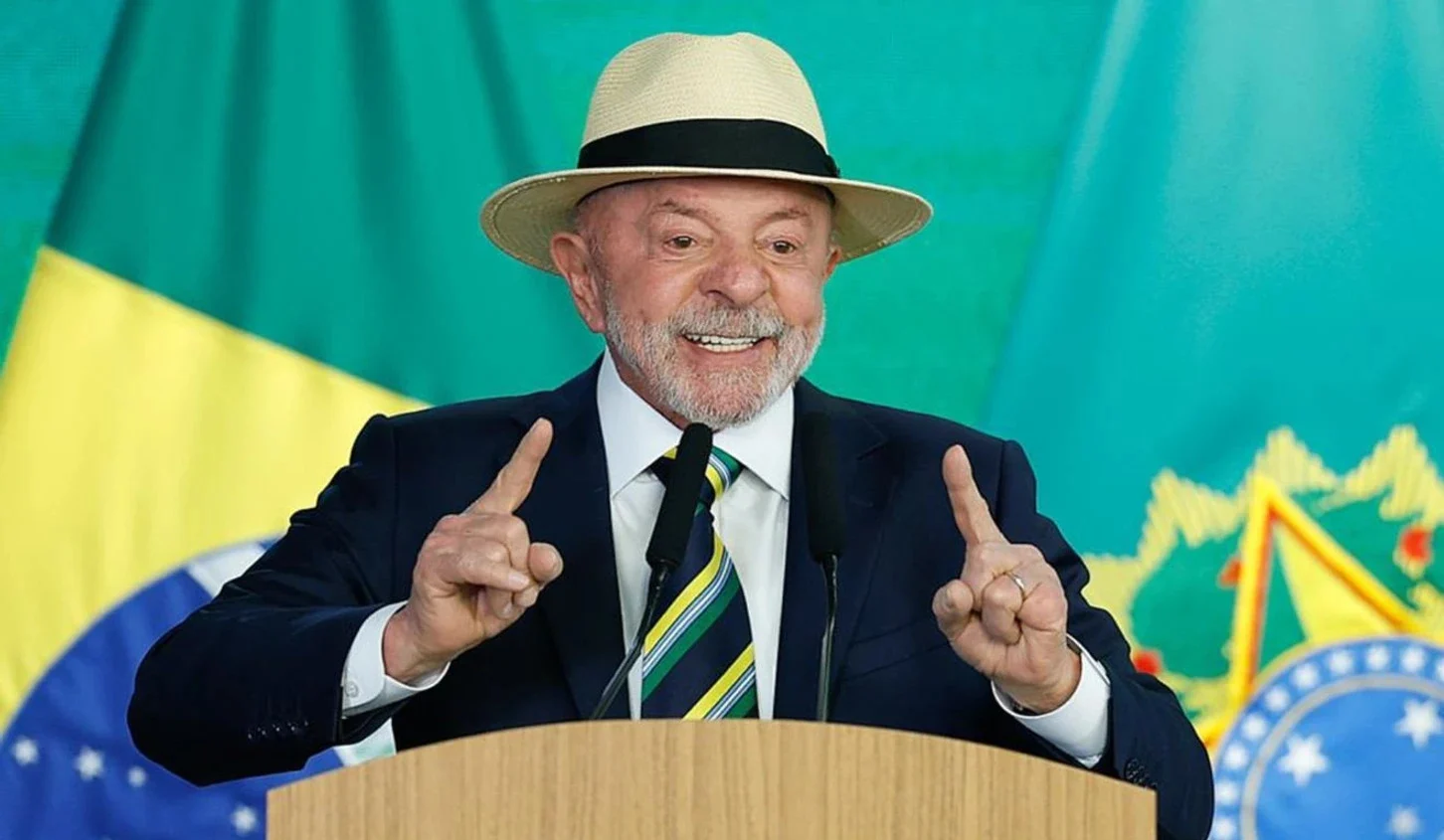
President Luiz Inácio Lula da Silva of Brazil is preparing to introduce a provisional measure aimed at tightening regulations surrounding betting in the country. This announcement is expected to reach Congress this week.
As reported by CNN Brazil, the government intends to increase restrictions on betting advertisements and potentially prohibit online casino games, focusing solely on sports betting.
The use of a provisional measure will allow these new restrictions to be implemented immediately, just weeks before the elections. This move indicates that the betting sector is being considered a tool in Lula's campaign strategy to bolster his re-election efforts.
The Civil House is responsible for drafting the new regulations, and there is speculation that these measures are politically motivated, capitalizing on growing scrutiny of the betting industry amid concerns that families are incurring debts due to gambling.
Within the government, there are emerging political divides regarding gambling regulations. Lula is opting against presenting a comprehensive bill, as the legislative process could delay the measures' effects during this critical election period. Conversely, some factions, particularly in the Ministry of Finance, are pushing back against stricter regulations. The Ministry, which oversees sports betting and online gaming, recognizes the sector's significance for the economy. Finance Minister Dario Durigan faces the challenge of persuading Lula that a well-regulated gambling industry is vital for public finances, despite Lula's own preference for banning betting altogether.
Lula’s stance reflects a broader sentiment among other political candidates. Research conducted by the Workers' Party (PT) shows that approximately 75% of Brazilians oppose betting establishments, reinforcing the president's justification for limiting the sector.
While the president has not addressed the substantial tax revenue generated from betting, it is a critical point of concern. In 2025, Brazil collected nearly BRL10 billion ($1.97 billion) in tax revenue from licensed betting operations, with BRL8.7 billion reported in just the first seven months of this year. Projections from the Federal Revenue Service suggest that total revenue from this sector could hit BRL16 billion by 2026.
Aside from tax implications, there are legal and economic ramifications to consider. Companies have invested over BRL2.5 billion in licensing since the sector’s regulation. A ban on betting could lead to legal disputes over recovering these investments and potential compensation claims. Moreover, revenues from betting are already integrated into the Annual Budget Law and the Budget Guidelines Law, influencing federal spending priorities.
The sector is particularly concerned not only about the potential for strict regulations against legalized betting but also about the government's persistent struggle to tackle the illegal betting market, which still accounts for nearly half of the overall sector.

