
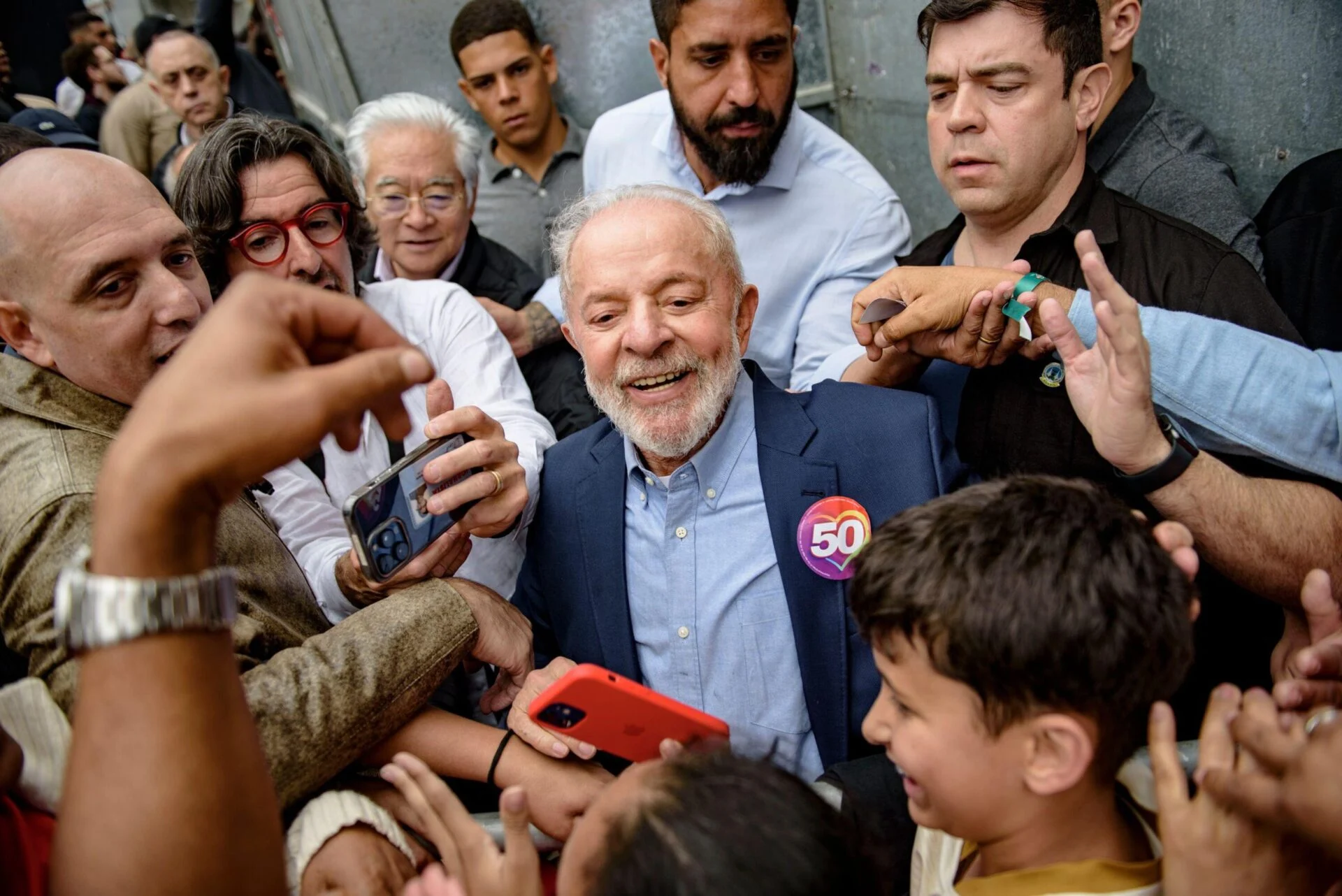
President Luiz Inácio Lula da Silva has issued a sweeping ban on online gambling in Brazil, a move that has thrown the industry into chaos. The order, signed on September 25, immediately took effect but will expire after 60 days unless approved by Congress, with an option for a further 60-day extension. Industry operators have vowed to contest the ban legally, with trade associations already filing a suit in the Supreme Court.
The implications of this ban are significant. Brazil's regulated gambling market was valued at approximately $7.7 billion, employing around 15,000 individuals both directly and indirectly. Furthermore, from January to August of this year, the industry generated $1.87 billion in federal tax revenue. Football clubs in Brazil have expressed concern over the loss of sponsorship revenue tied to gambling, which would impact the league and its overall economic vitality.
Political analyst Bruno Centurion of Fatto Inteligência Política comments on the situation, stating, "The timing of the measure is completely populist," suggesting that Lula’s intent may be to garner voter support in the closing days of a competitive presidential election against Flávio Bolsonaro.
Alberto Alfieri, co-founder of Blokotech, explains that this decision may deter businesses from investing in Brazil amid uncertainty. According to Alejandro Navarro, founder of betting operator Betski, it seems like a political maneuver, especially with just nine days until the election.
While the ban may serve political aims, public sentiment appears to align with it. Recent polling conducted by AtlasIntel and Bloomberg revealed that 75% of Brazilians favored a gambling ban, with only 17% opposed. A subsequent survey by Quaest indicated that 62% supported the ban after its announcement, with 40% of respondents having heard about it and backing the decision. Notably, 36% attributed responsibility for gambling’s proliferation in Brazil to Lula himself, while 25% blamed Bolsonaro.
In the wake of the ban, two industry trade organizations filed a lawsuit against the ban in Brazil's Supreme Court, prompting the attorney general's office to request 72 hours to prepare a response. In another legal move, the government has filed lawsuits against 17 betting companies for damages related to public health issues caused by gambling.
In a rapid response to the regulatory shift, more than 500 illegal gambling sites emerged shortly after the ban, although many were subsequently taken down, as announced by the Ministries of Justice and Finance. The industry remains determined to fight this ban through the courts, emphasizing that revenue impacts will vary by operator.
Centurion points to the larger strategy behind Lula's recent policies, which include a notable increase in the Bolsa Família welfare program and initiatives aimed at lowering healthcare costs. Such measures could potentially shift voter sentiment, especially among key demographics, including women, low-income individuals, and religious voters.
Polls reveal Lula gaining favor, especially among women and lower-income groups, a shift that may be linked to these new policies. Recent trends indicate a slight improvement in Lula's standings in polls compared to before the gambling ban, suggesting that he may be gaining traction in the election.
However, initial election prediction markets still favor Bolsonaro, projecting him with a 58% chance of victory compared to Lula's 38%. Analysts caution against interpreting these markets too literally, given their nature and the biases that might influence them. Centurion himself estimates the odds at 55% in favor of Lula, acknowledging the volatile nature of the political climate.
Amidst these developments, Bolsonaro has criticized the gambling ban as "populist, hypocritical and politically motivated," positioning himself as potentially more friendly toward the gambling industry than Lula. Yet, regardless of the election outcome, challenges remain. Brazil’s National Congress holds considerable sway over gambling legislation, and outcomes of the impending elections may have far-reaching effects on future policy.
Centurion predicts that a Lula win would likely result in continued opposition to re-legalizing gambling, although he may be open to discussing industry concerns, especially regarding job losses. Meanwhile, a Bolsonaro victory would also hinge on the congressional balance of power.
Experts suggest that the gambling ban, while politically advantageous for Lula in the short term, may have left a lasting negative impact on trust in Brazil's gambling and business sectors. Alejandro Navarro notes, “You pay $5 million for a licence for a five-year term, and then a president can come from one day to another and shut you down. This will have significant repercussions."

