
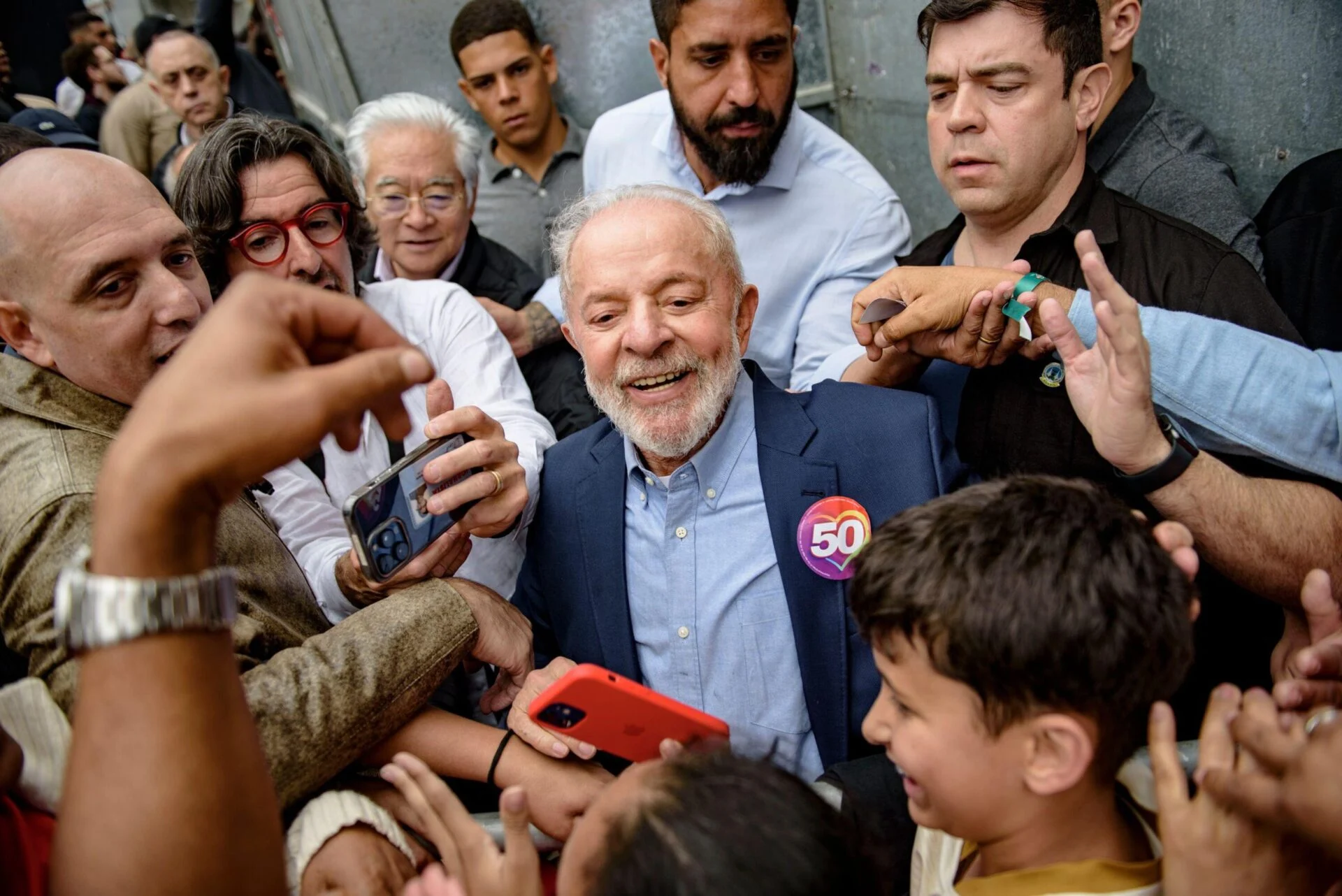
President Luiz Inácio Lula da Silva recently implemented a comprehensive ban on online gambling in Brazil, triggering significant upheaval within the industry. This decisive action, taken via a provisional measure signed on September 25, has immediate effect but will need congressional approval within 60 days or face expiration, although it may be extended for an additional 60 days. In response, various operators are preparing to contest the ban legally, with trade organizations already filing claims in the Supreme Court.
The implications of this ban are profound. Brazil's regulated gambling market was valued at roughly $7.7 billion, according to H2 Gambling Capital, and directly supported around 15,000 jobs. From January to August of this year, the sector contributed $1.87 billion in federal tax revenue. Additionally, many Brazilian football clubs are expressing concern over the loss of sponsorship revenue tied to gambling, which could impact their financial operations.
Bruno Centurion, a political analyst at Fatto Inteligência Política, suggested that while the ban might be politically motivated, the timing is the crucial aspect: "The measure by itself is not populist, but the timing of the measure is completely populist." Centurion indicated that discussions around this ban have been longstanding, supported by valid arguments, and have garnered public backing, yet the execution just days before the election appears aimed at optimizing political advantages.
Public opinion surveys reflecting attitudes toward gambling prior to Lula’s announcement indicated strong opposition to gambling legalization. Research conducted by AtlasIntel and Bloomberg found that 75% of respondents favored a ban on gambling, with only 17% supporting its legalization. Following the announcement, a survey by Quaest revealed that 62% of Brazilians continued to support the ban amid the polarized electoral contest between Lula and Flávio Bolsonaro. However, these measures have also incited debate regarding responsibility for gambling proliferation, with 36% of respondents attributing it to Lula, whereas 25% blamed Bolsonaro.
In the wake of Lula's ban, the industry sprang into action. Trade groups have alleged legal challenges, and the attorney general’s office has countered by suing 17 betting firms for public health damages linked to gambling. Interestingly, the ban seems to have prompted a surge in illegal gambling websites, with over 500 such sites reportedly emerging shortly after the order.
Centurion pointed out that the ban is just one part of Lula's broader strategy to appeal to specific voter demographics, such as women and low-income earners, particularly amid rising living costs. Lula’s policies also include increased welfare benefits and public health measures, which collectively may influence undecided voters as they head to the polls.
Polls indicate that following the ban, Lula maintains a slight lead or is statistically tied with Bolsonaro in second-round projections, though he is stronger in first-round forecasts. Centurion remarked that any singular policy shift may not drastically alter voting behaviors; rather, it is part of a larger narrative that influences perceptions among key voting blocs.
Prediction markets, however, continue to favor Bolsonaro, with estimates around October 2 placing his chances at about 58% to 59%, compared to Lula's 38% to 39%. Centurion cautioned against relying too heavily on these markets, noting their current inefficacy in accurately predicting outcomes in Brazil given their structure and biases.
If Bolsonaro wins, industry insiders believe he might adopt a more lenient stance towards gambling regulation. Bolsonaro criticized Lula's ban as "populist, hypocritical, and politically motivated," and highlighted that a Bolsonaro administration would likely favor operators. Nonetheless, the dynamics in Brazil's National Congress, which has a significant anti-gambling contingent, would play a critical role in determining future policy shifts.
Overall, whether Lula's prohibition of gambling will materially impact the election or change the political landscape remains uncertain. The gambling sector is poised for ongoing struggle regardless of the election outcome, as both candidates have shown varying commitments to managing legalization going forward. As Alejandro Navarro from Betski indicated, the unpredictability surrounding such abrupt measures underscores the risks for businesses within Brazil's gambling industry, raising concerns about long-term viability and trust.

