
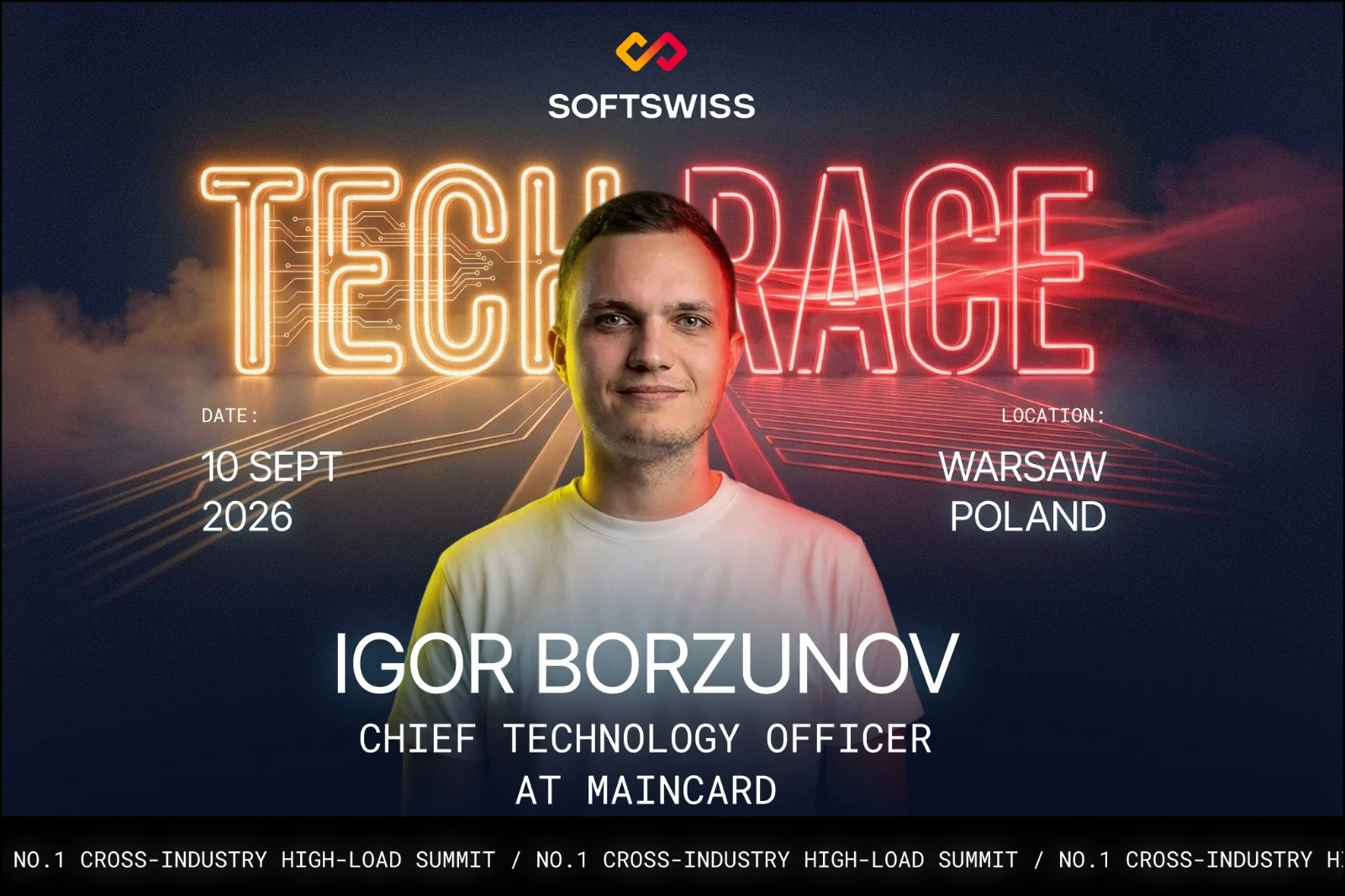
Igor Borzunov, currently the CTO at Maincard, has more than a decade of experience developing high-load enterprise systems. Maincard is a no-code platform that allows operators to launch a branded iGaming site in under 30 minutes. On September 10, during the Tech Race Summit in Warsaw, he will present a session titled "From 3am pages to 30 seconds: Building an autonomous AI ops agent," focusing on the complexities of integrating AI into live production environments.
In an interview, Borzunov discussed the dual perceptions of AI capabilities in production. He pointed out that while many tend to overestimate what AI can achieve without supervision, they underestimate the speed at which teams are adapting to this technology. "Our agent performs well because we dedicated significant effort to the foundational aspects: guardrails, approval layers, and knowing when to pause and consult a human," he stated. He also highlighted how just a year ago, the idea of granting AI access to production was seen as reckless, whereas today it is actively helping to manage night incidents.
When it comes to scaling technology in the iGaming sector, Borzunov emphasized that the challenge lies more in scaling operations than in scaling the code. He noted that while creating a single codebase that serves multiple brands is an established engineering task, every additional brand introduces new complexities. "Your platform scales linearly, but the operational challenges grow even faster," he explained, advising the industry to invest in operational tools equally as they do in features. He remarked that Maincard manages over 40 brands with a team of about 20 by treating operations as an engineering challenge rather than merely a cost to bear.
Borzunov also questioned common practices around operational excellence. He pointed out that many companies focus on minimizing incident counts instead of measuring their time to diagnose problems, which he believes is a more effective metric for operational health. He elaborated that when a failure can be resolved quickly due to effective tooling, it transforms a potential crisis into a manageable issue. Furthermore, he criticized a culture of blame which can stifle problem-solving and hinder improvement.
In terms of competitive advantage, Borzunov observed that the ease of launching new brands has diminished its value. "Operating efficiently is much harder to replicate than launching an iGaming site," he noted. He stressed that while many can launch quickly, sustaining a brand effectively involves a competent operational discipline that is complex to imitate.
Regarding the integration of AI, he reflected on the challenge of fostering trust among team members when implementing autonomous agents. The technical aspect was relatively straightforward; however, gaining acceptance from humans required careful design, including multi-tier approval processes. "We began with a read-only model so the AI could analyze and learn without risk, which helped build trust within the team gradually as they observed its problem-solving capabilities," he shared.
Looking ahead, Borzunov predicts that AI's role in the online casino industry will evolve significantly. Currently, AI is predominantly used for customer support and marketing, but he envisions a future where AI agents will monitor transactions, detect anomalies, and support operational functions directly within platforms. He expects that the differentiation between operating firms will increasingly hinge on how effectively they deploy AI to optimize their operations.
He believes that fintech should serve as a model for the iGaming industry, particularly in creating a culture that emphasizes systems reliability and operational excellence. The emphasis should shift from merely staffing support teams to constructing robust operational systems.
As he prepares for his session at the Tech Race Summit, Borzunov hopes attendees will recognize that AI autonomy should be treated as a graduated process rather than a binary choice of whether to trust AI in production. He stated his goal is for participants to leave with the insight that giving AI tiered access can help organizations successfully integrate autonomous systems into their operations.

