
In a recent report by Sweden’s gambling regulator, Spelinspektionen, the role of influencers in marketing unlicensed online gambling services has come under scrutiny. The regulator highlighted that such activities are especially prevalent in platforms frequented by younger audiences, which raises significant concerns regarding consumer protection and regulatory compliance.
Published on Monday, the Spelinspektionen report detailed the various platforms and tactics used by unlicensed gambling operators. Among the noted strategies were livestreaming platforms, affiliate marketing networks, sponsorship deals, and social media.
The report specifically pointed to affiliate marketing networks and 'link farms' that redirect traffic to unlicensed casinos as key tools for influencers promoting illegal sites. Many of these affiliate domains briefly served thousands of Swedish users before changing domains frequently. Some pages specifically targeted the Swedish market by using local (.se) domains, but ultimately led users to English-language gambling sites, effectively obscuring the jurisdiction of the operators while aiming to capture a Swedish player base.
Influencers have also leveraged livestreaming platforms like Twitch and Kick to distribute affiliate links and promotional codes associated with unlicensed operators. These influencers frequently employed features such as leaderboards and giveaways to engage audiences.
While Twitch has prohibited several unlicensed sites from its platform, Kick has surfaced as an alternative for those removed from Twitch. Although enforcement actions have curtailed major influencer promotions of unlicensed gambling, some have shifted their focus to international audiences or to other platforms.
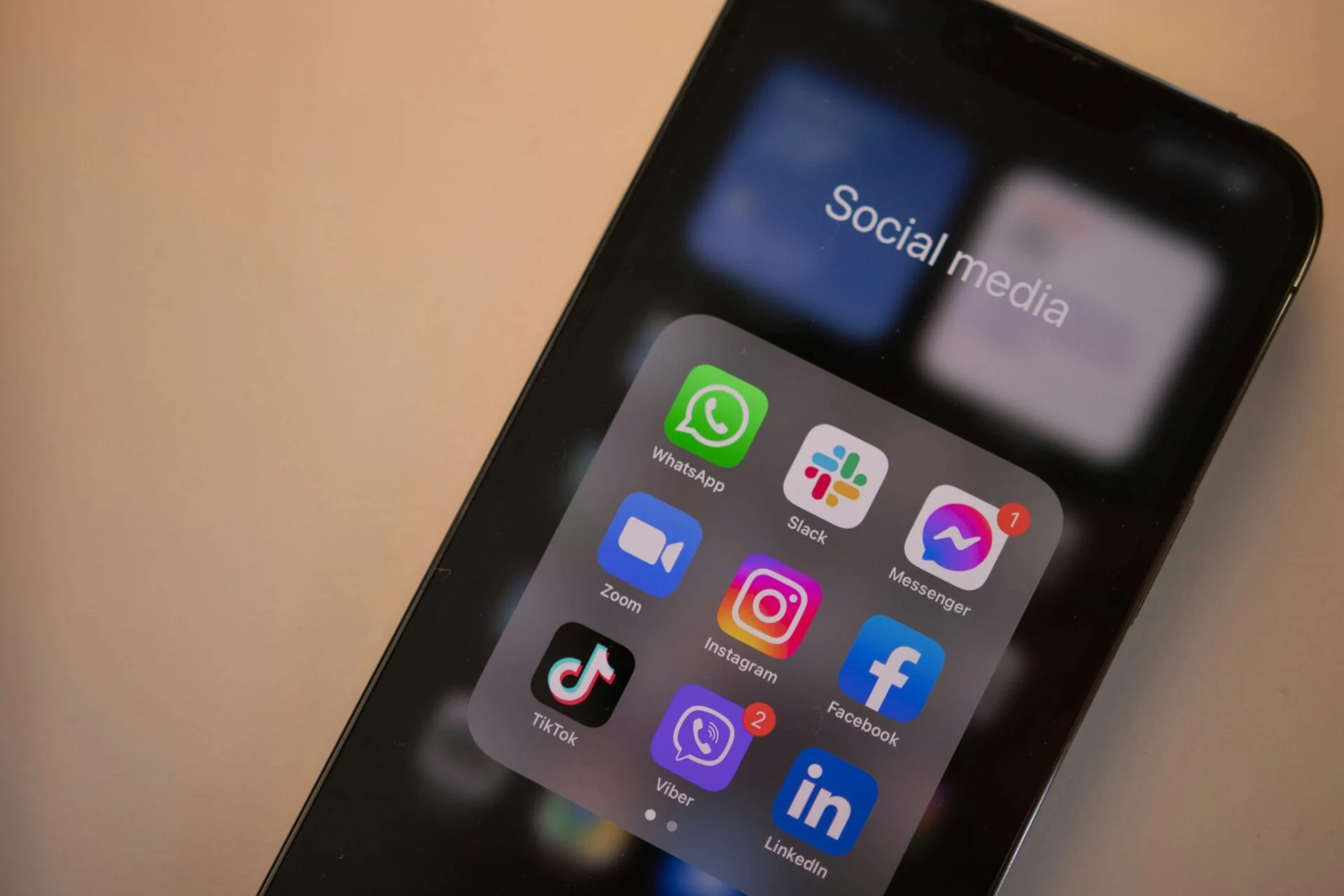
Social media giants like Meta, TikTok, Snapchat, and X have been harnessed as channels to spread affiliate links, sponsored posts, and undisclosed promotions. Particular concern was raised over English-language comedy and influencer accounts that are now pivoting to produce Swedish-language content, with some utilising deepfakes involving Swedish public figures to falsely endorse advertisements.
The regulator indicated that advertisements for unlicensed casinos had appeared on various Swedish websites, sometimes placed behind paywalls or shown selectively. Spelinspektionen pointed out that programmatic advertising and AI tools have allowed advertisers to bypass publisher blacklists, further obscuring their intentions.
In addition to these online strategies, SMS campaigns promoting unlicensed gambling have frequently been reported through the regulator’s tip line, often targeting individuals who have self-excluded via Spelpaus, bombarding them with repeated messages.
New regulations aimed at tightening technical requirements for Spelpaus will take effect on August 1st. These regulations will include stricter marketing checks, enhanced verification processes, and unique identifiers for licensed operators. The Spelpaus register was also updated in 2023 to improve access to gambling guidance, allowing for extended self-exclusion periods for players.
The report also found that encrypted messaging channels like Telegram had been used to distribute affiliate links and organize giveaways. Esports were highlighted as a particularly appealing area for skin-betting and crypto-casino sponsorships drawing in younger audiences. Notably, visits to skin-betting sites from Sweden reportedly rose following sponsorship of major esports tournaments.
In 2025, Spelinspektionen opened multiple inquiries into influencer promotions and banner advertising, noting that many non-compliant promotions ceased after the issuance of enforcement actions. Given influencers’ extensive reach, particularly with younger demographics, they have become a focal point in the discussion surrounding black market gambling advertisements.
Additionally, the proposed EU Digital Fairness Act (DFA), set to take effect later this year, may introduce stricter regulations on targeted advertising, likely impacting how gambling marketing is conducted. This includes tighter limitations specifically on influencer marketing.
Under Sweden’s Gambling Act, any promotion of gambling without a license is considered an offense. The report also referred to a criminal conviction from March 2026, where an influencer received a 22-month prison sentence for economic crimes associated with promoting unlicensed gambling, marking the first known criminal sentence for online gambling promotion in Sweden.
Influencers have become a contentious aspect of conversations regarding black market gambling advertising across Europe. Earlier this year, a coalition of UK MPs and peers called on the government to undertake reforms in gambling advertising, stressing the need for specific restrictions on influencer promotions.

